

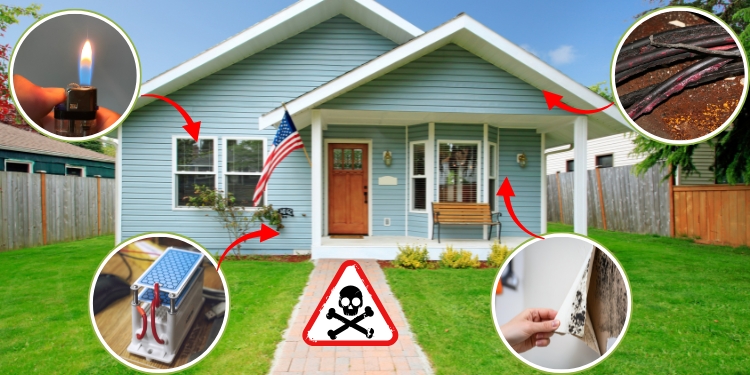


As most people, you most probably think that bugging-in means food, water, medical supplies, and security. All of those matter, and every serious prepper keeps them high on the list. Yet there’s something far more basic. So basic that many households overlook it entirely and it silently decides who survives a crisis and who doesn’t.
It’s air.
Or, more precisely, the quality and movement of the air inside your home.
A house that lacks a reliable way to circulate, filter, and refresh the air can turn from shelter into a coffin faster than most folks imagine. It doesn’t take a Hollywood disaster to make that happen. A small fire, a chemical spill down the street, an extended power outage in the middle of a heatwave, or even a silent build-up of carbon monoxide can do it.
Preppers try to get ready for the obvious threats. The long-timers also prepare for the threats nobody thinks about, because those are usually the ones that kill quietly.
Let’s walk through why air management is the backbone of real prepping, how your home might be hiding hazards right now, and what you can do to keep it from becoming a death trap.
Why Air Should Be the First Survival Priority
Everyone learns the “rule of threes”: three minutes without air, three days without water, three weeks without food. But survival theory on paper doesn’t always translate into practice at home.
When people gather supplies, they fill shelves and pantries, not ducts or filtration systems. The assumption is simple: I already have air. It’s everywhere. Except it isn’t, at least not safe air.

Modern homes are sealed tight, built to trap heat and keep energy bills down. That efficiency becomes a nightmare when the air inside gets contaminated, heated beyond tolerance, starved of oxygen, or filled with smoke. A tightly sealed structure becomes a container, and once something goes wrong inside, the danger compounds quickly.
Small Events That Turn Deadly Indoors
You don’t need a chemical attack or nuclear fallout to watch a home become unlivable. Plenty of mundane events can turn a familiar house hostile.
House Fires and Smoke Spread
The majority of fatalities in home fires aren’t from flame, but from smoke inhalation. Once smoke gets into a room, oxygen levels fall and toxins rise. A home without a plan for ventilation and smoke control becomes a maze of blind corners and deadly pockets.
Power Outages During Heatwaves
Anyone who has lived through a grid-down heatwave knows how fast a house turns into an oven. Heat and exhaled carbon dioxide are the reason why vulnerable individuals would succumb in hours, not days.
Read more on this subject: This Is How You Will Survive the Next Blackout
Your best defense in this case is creating airflow and managing heat before it becomes dangerous. Open windows strategically to encourage cross-ventilation, use battery-powered or hand-crank fans to move air, and keep blinds or curtains closed on sun-facing windows to reduce heat gain. If you have access to a cool basement or lower-level rooms, spend as much time there as possible, since heat rises and lower areas stay cooler.
Carbon Monoxide Buildup
Homes lacking proper detection and airflow become sealed chambers where the gas accumulates to lethal levels. Carbon monoxide leaks could come from unexpected places, such as generators, malfunctioning heaters, and even attached garages. Since it’s odorless, the danger appears without warning.
When it comes to heating and ventilation while bugging in, the key is choosing a method that keeps your home warm without creating a deadly buildup of gases. One of the safer options is a wood-burning stove. Models like the Englander are built to heat larger spaces efficiently while producing less smoke and minimizing creosote, which reduces some of the hidden risks that come with indoor fires.
Navy SEAL and author Joel Lambert tested this stove in a small home and found that it could maintain comfortable temperatures even when it was well below freezing outside.
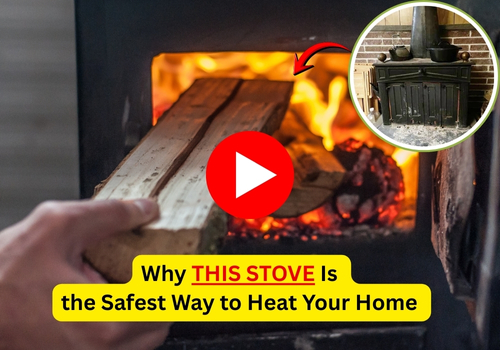 But mind you, even the best stove has limits. Heat doesn’t move well through doorways, so using a small blower or strategically opening interior doors can help circulate warmth more evenly.
Nearby Chemical Incidents
Danger doesn’t have to come from inside your house, but also from a warehouse fire or even something as simple as a chlorine spill from a neighbor’s pool system. If your home cannot control airflow and filter contaminants, you’re at the mercy of whatever drifts your way.
Biological Contaminants
In stagnant indoor environments, respiratory viruses, mold, and airborne pathogens spread aggressively. When ventilation stalls, pathogens can multiply and spread into areas that, normally, should remain safe.
The Strategy that Your Home Needs
 You wouldn’t drink from a muddy stream without filtration, would you? Therefore, you shouldn’t trust the air in your home without similar safeguards.
So the real prepping should begin in understanding how the air in your home behaves. More importantly, how you can control it.
An air strategy isn’t a single tool or device, but a system of defensive layers:
- Ventilation for moving air when the grid is up or down.
- Filtration for removing particulates, smoke, toxins, and biological contaminants.
- Pressurization and sealing for keeping bad air out during external threats.
- Detection for catching invisible killers (carbon monoxide, toxic chemical vapors) before they take over the home.
Each layer works complementary with the others, because a high-grade filter is useless if the air never passes through it, and even the best ventilation can become dangerous if it draws in toxic fumes from outside. Likewise, sealing a room may seem secure, but without monitoring oxygen and gas levels, it can quickly turn into a trap.
That is why you must treat your home like a defensive perimeter: every system reinforcing the next, with each line of protection covering the gaps, so that no single failure ever puts your family at risk.
Ways to Ventilate Your Home When Power Fails
Beyond the comfort factor, ventilation is also about survival. Moving air prevents the buildup of heat, carbon dioxide, smoke, and pathogens.
Grid-Down Ventilation
When the power fails, mechanical vents, HVAC fans, and purifiers become expensive decorations.
Preppers often rely on battery systems or generators for refrigeration, lighting, and communication, but very few allocate energy to airflow. Yet the human body can handle darkness and even hunger. It cannot tolerate suffocating heat or stale air trapped indoors.
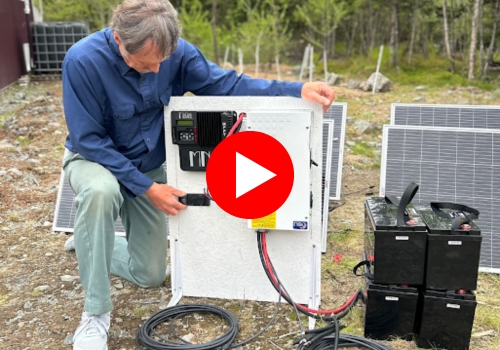
A grid-down ventilation setup might include battery-powered fans, solar-powered attic ventilators, or cross-ventilation systems created by strategic window placement combined with manual shutters.
The best part? None of these require complex engineering, just planning and practice. This VIDEO will show you how to do it, step-by-step:
Cross-Ventilation for Emergency Cooling
Homes built before modern HVAC systems often relied on cross-breezes to stay cool. Newer homes sealed tight for efficiency struggle without powered ventilation. This is why you need to recover these older principles.
One of the most important things to do is to identify two windows that create a natural airflow path. Practice setting up screens, shades, and fans to direct air through the home.
Keeping the Threat Outside
Beyond bringing fresh air inside, the goal is to keep dangerous air out. This is where sealing and light pressurization matter.
A well-sealed home with a controlled airflow point can maintain a protective bubble. During wildfire smoke events or nearby chemical incidents, this bubble buys time and prevents contamination. Most homes today leak air through window frames, attic spaces, and poorly sealed doors. That’s the exact reason you should know that every entry point for outside air, intentional and unintentional.
This short video breaks down what most homeowners get wrong:
Plastic sheeting and tape are common emergency measures, but they must be cut, fitted, and labeled in advance. Trying to seal a room while fumes are already drifting in is a losing battle.
Some preppers install simple positive-pressure systems powered by battery-backed fans and high-grade filters, forcing clean air into the home while preventing contaminants from entering cracks. This is the same principle used in clean rooms and protective shelters, scaled down for household use.
The Shield Between You and Contaminants
Everyday threats produce dirty air that can harm or kill without leaving a mark on the walls. There are different categories of household filtration, and each one serves a specific purpose.
Mechanical Filters
These catch particulates like dust, ash, smoke, and pollen. High-rated filters (MERV 13 and above) capture smaller particles, including some pathogens. However, they cannot neutralize gases or chemical threats.
Activated Carbon Filters
These absorb volatile organic compounds, odors, and certain gases. They are essential during wildfire smoke events or chemical spills. A home with only mechanical filtration is vulnerable to gaseous contaminants.
Portable Air Purifiers
A strong purifier can protect a single room during smoke events or chemical exposure. The mistake you are probably making right now is relying on one unit for an entire house. They’re meant to create safe zones, not handle whole-home volume.
Indoor greenhouse
If you’re running an indoor greenhouse to grow fresh food during emergencies, filtration and airflow take on a new level of importance. Plants release oxygen but also increase humidity and can harbor spores or mold if the air isn’t properly circulated.
Your ventilation and filtration systems need to balance keeping the air safe for humans while maintaining healthy conditions for your crops, ensuring neither the plants nor your family suffer from stagnant or contaminated air.
Watch this video to see how to set up and maintain this kind of indoor greenhouse safely and efficiently:

DIY Emergency Filters
Preppers often learn how to build improvised filter boxes using furnace filters and box fans. They work surprisingly well when properly assembled and sealed, but they must be tested before the emergency starts.
How to Build Your Home Air Survival Plan
You don’t need a bunker or a fortune. You need awareness and a layered strategy. The exact components depend on your home’s design, location, and the threats you prioritize, but the framework is universal.
Here’s a simple way to think about it:
- Assess your airflow: Know how air moves through your home, where it leaks, and how it stagnates.
- Upgrade your filtration: Match your filters to the likely threats in your region.
- Prepare for the grid to fail: Have non-electric options ready and tested.
- Create at least one safe room: A space you can seal, ventilate, and filter independently.
- Install detection systems: CO, smoke, CO₂, and VOC monitoring.
- Practice: Run drills just like you would for fire, evacuation, or water purification
- Build an indoor greenhouse: Plan a controlled greenhouse inside your home for growing food that balances airflow, humidity, and air quality, so both your family and plants stay safe even during emergencies.
- Install a safe heating stove: Use a wood-burning stove like the Englander to maintain warmth during grid-down scenarios, combined with proper ventilation, CO detection, and optional blowers to circulate heat evenly.
Final Thoughts
A home might be stocked like a fortress and still become a death trap if the air inside turns hostile. So ask yourself, honestly:
If the grid failed tonight, could your home keep your family breathing clean, safe air for the next 24 hours?
If you’re not certain, the time to fix that is now, and not when the smoke is already seeping under the door or the heat inside the house rises past safe levels. Air is the first and most unforgiving requirement for survival. Treat it with the seriousness it deserves.
You may also like:
 How to Heat a Greenhouse Without Electricity
Your House Is in Danger Unless You Do This (VIDEO)
The $3,000 Mistake Most Preppers Make






















you might not want to run out and buy these fine products, but
your root cellar, your cache, your backup shelter, storage spaces of all kind,
Need to keep ventilation in mind or else you will enter during a crisis and find those spaces in a crisis condition. Monitor those spaces, OFTEN
dont be undone by a little item like ventilation.
Keep some air exchange, but keep the bugs OUT
GSOR
Hello kre
Good comment.
I did read the hole article, just like the last article’s.
So I am going to comment on this.
If you do not want to die instantly, keep ventilation going how ever you can. Butt understand that some gassed will settle low to the ground..
So if you keep potato’s in your cellar or basement. Please keep vents open and maybe use a fan to move the glasses around so they can be pulled away from the location that you store them in.
You can cut an Onion in hafe and place it in an open area in your room, house, etc…
It will absorb toxin’s.
stay sharp
At my former work place we had monthly safety meetings….one of them was confined spaces.Our safety crew went all through the shop looking for potential hazards and clearly marked with appropriate safety signs …which reminds me those safety supply stores were full of kool prepper supplies.
couple hours after I posted my comments, I was in a restaurant for an early snack, 4:30 pm
I was going to be tied up till 9 pm, so it was then or HRS later. as I walked from the car, I noticed the LOUD exhaust fans. Sitting next to the entrance door, as far from the kitchen as possible, It was unpleasant to breath, LOTS of fry Oil in the Air, at the edge of the burn point.
All I could think was 2 things, dont go back soon, and, whats it going to be like at 7pm when they have been pounding out fish and fries for the FRY day night crowd ? ?
It just drove the point home to me.
Ant / spice, good point and thanks.
You reminded me of Onions, and their powers, also loaded with good things for our body.
And, they have those tripods and harnesses for good reason. usually, WAY over done, but more than 1 country boy died in a silo because they didnt ventilate.