

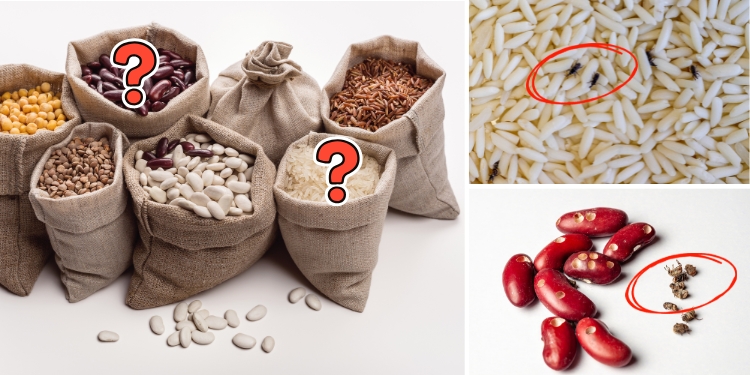


For more than a century, beans and rice have been the go-to staples recommended for survivalists and emergency preppers alike. In my hometown in Louisiana, red beans and rice are literally what’s for dinner almost every Monday night.
There’s a lot to love about these two iconic southern and Caribbean staples. Both have an impressive shelf life, they’re inexpensive, and offer a reasonable amount of nutritional value for the money.
On paper, this makes them seem like a logical choice when planning for an uncertain future. Yet, in reality, stockpiling massive amounts of beans and rice might not be the most effective survival strategy. It could even work against you due to some issues that you can’t ignore.
Nutritional Imbalance
While beans and rice do complement each other to form a complete protein, relying heavily on them long-term can lead to nutritional gaps. Both lack sufficient vitamins A, C, and D, as well as essential fats. They also tend to be a poor source of a wide variety of micronutrients and minerals that the human body needs to stay healthy over time.
Without a more diverse supply of foods, including fruits, vegetables, and fats, your body could suffer from malnutrition. Even though you’re consuming plenty of calories from rice and beans. Not the least of which is scurvy! Our advice is for you to include multi-vitamins in your stockpile – these are the only medicines and supplements you should stock up on in the long run.
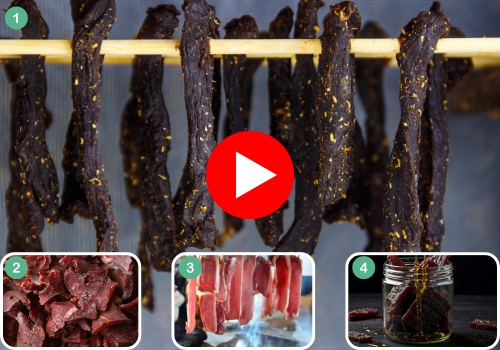
Also, you should take into account stocking up on some form of essential fat, such as peanut butter, or having access to a shelf-stable form of animal fat will also reduce your risks of malnutrition. THIS Book provides a few forgotten recipes of dried meats and fats. One of them even has a 20+ years shelf life.
Discover these well-kept secrets in this video:
Cooking Challenges During Emergencies
Beans and rice require a significant amount of water and long cooking times to prepare. If clean water is limited or fuel is hard to come by, cooking raw beans could be impractical.
Things get even more challenging if your shelter is outdoors exposed in some way. In this case, the long cooking time and intensity of fire needed to cook beans can also become a security concern.
👉The Mushroom That Got Me Out Of The Wheelchair
Also, you should take into account that in a SHTF scenario, cooking outdoors could also be dangerous. A long-lasting smoke trail and the glowing light from a multi-hour cooking fire needed to simmer beans could advertise your presence to others.
So, if you can’t ensure a clean source of water for your chosen shelter location, it’s wise to keep a separate water filter system just for cooking. Something as simple as the famous H20 filter for the camp kitchen will help.
Moreover, a small camp stove or a tall Canadian candle around your camp firepit will then reduce the presence of light. Camping under a thick canopy of trees or just below a windy ridge line can also reduce the visual presence of campfire smoke.
Prolonged Storage Risks
Improper storage of beans and rice can lead to spoilage, infestations, and mold. Even under ideal conditions, beans harden over time, making them increasingly difficult to cook. Five years down the road, those “emergency” beans might be more of a liability than an asset, requiring excessive cooking times or ending up inedible.
If you are wondering how you can protect your stockpile from these risks, then try to keep your rice and beans from degrading in long-term storage. One thing you could do is to rotate them gradually over the course of a year or two. This could be as simple as buying a new bag of rice and beans every month and then cooking the oldest bag in your stockpile. Over time this ensures that your oldest bags are always less than two years old.
Want to stop mold, pests, and other invisible intruders before they ever become a problem? These proven storage strategies do exactly that. We don’t just recommend them – we’ve tested them ourselves and learned what works and what doesn’t.
Play the video below to find out more:
Potential Rodent Problems
Rodents love to consume rice and beans. One pregnant female fattened by unseen access to stockpiles can create a massive population problem in no time. They also tend to find easy access to rice and beans through the thin bags they’re commonly stored in.
Once you have a breeding population of rodents bolstered by easy access to rice and beans they can spread problems throughout your shelter. Not only is it unsanitary but increases the risk of communicable disease. The rodent problem can spill over to foul other supplies.
To prevent rodents from getting at your rice and beans, you should always keep them in sealable tote bins or heavy-duty containers. You could even repurpose glass canning jars that have already been used – try this Amish tested method and you will never have to worry about rodents ever again!
The Best Thing You Can Do When Stocking Up on Rice and Beans
Eating beans and rice day after day can quickly lead to appetite fatigue, or worse, a complete loss of interest in food altogether. In a high-stress situation, lack of variety can reduce calorie intake and negatively affect morale and mental health.
Instead of relying solely on beans and rice, round out your food storage with other long-lasting staples, such as:
- Dehydrated or freeze-dried vegetables (carrots, onions, peppers, peas) to add nutrients and texture.
- Dried meats such as beef jerky, pemmican, or canned meats for protein variety (Click here to learn how to make these at home!).
- Cooking fats like olive oil, coconut oil, or ghee to boost calories and improve taste.
- Seasonings and spices (salt, pepper, garlic, chili powder, bouillon) to prevent bland meals.
- Powdered or shelf-stable sauces (soy sauce, tomato powder, cheese powder) for flavor diversity.
- Canned fruits or dried fruits for natural sweetness and essential vitamins (Check out these $1 Walmart prepping foods).
- Comfort foods like honey, cocoa powder, or hard candy to support morale during stressful times.
Start the New Year by facing risks most people refuse to see. The dollar and the economy are far less stable than they appear, and this book explains what’s breaking, why it’s breaking, and will come next.
Written by economist David Bates and historian Claude Davis, this guide lays out the warning signs of a dollar collapse, shows how similar systems have failed in the past, and focuses on what you can do now to reduce your exposure before the damage is done.

Final Thoughts
Despite some of the potential drawbacks, beans and rice aren’t a bad idea. I think they should absolutely be part of a well-rounded emergency stockpiling strategy.
But the idea of stockpiling hundreds of pounds of beans and rice as a standalone survival solution is outdated and poses multiple risks. A smarter strategy is this – make a plan for flexibility and balance. We recommend you THIS 90-Days Meal Plan, that will help you organize your stockpile in smart way. This perfect plan reduces the risk of mold, desiccation, and other forms of spoilage. It can also give you the chance to come up with your own rice and beans recipes.
So, when the moment to live off them comes, you’ll have family favorite recipes for things like rice and beans with carrots, dried mushrooms, and beef jerky to prevent culinary boredom.
You may also like:
 Signs You’re (Probably) Not Taking Prepping Seriously
The Homemade Antibiotic That You Can Smoke (VIDEO)
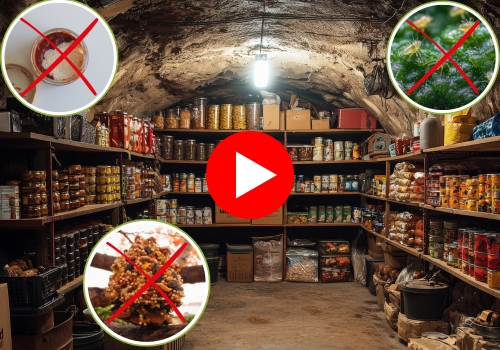
The Amish Never Store These Foods in The Root Cellar























The title was selected for a bit of shock effect but the body of the article is very realistic. A balance to what you put away in your deep pantry is very important. If you are just getting started or want some realistic numbers to check your efforts against, I suggest you do a search for FOOD STORAGE CALCULATOR. Most of the results that will come up have their roots with the LDS church from years ago. These categories and amounts will point you in the right direction. I use numbers for less than a full year but then added canned meats and fish items. Just added more ghee today because I felt I was a little short on oils & fats. Food and water the two most important things (along with knowledge and mindset). Thank you for keeping these type of articles coming.
Howdy from an undisclosed location high in the desert swamp,
I put beans in quart and half gallon jars. I put them in the oven at 225 for two hours. This killed any little critters and took any moisture out. I removed them one at a time, dropped in an oxygen absorber and put the lid on. They all sealed pop closed. This was in 2022. I opened one this past fall and have been using them. They are fine and cooked like normal. I don’t seriously think anyone who is living under drastic times will take you to task for not having an FDA or Food Network approved meal. It is important to have stocked what you can for balance but things being what they may be, do the best you can unless you have a warehouse to store supplies in. That being said I highly suggest you learn how to cook. I say this because this is a subject I have seen. Someone has no clue how to make anything from scratch. They buy premade and nuke it or warm it up. I have told them, make beans from dry beans, water and go from there. They say I don’t know what to do. How many times has a plan crashed and burned because it was just assumed everyone knew righty tighty lefty loosey. Or you can change your own flat tire. Do you know where your spare is? Do others in your immediate circle know how? Do they know how to clean a fish? You have to practice this now so you can say this sux and scrape it in the garbage. Try it again and hmm, that’s better. Very real world scenario. Three weeks into a power outage and someone brings home a couple squirrels. Now what?
Other cities follow what NYC did so they can stick it the landlords. They won’t fix your water loss. Where do you get it? There are far less police now and good luck with your snowflake social worker.
To me this is just as or more important than whether or not to store dried beans. Without water or if you cannot start a fire without matches nothing you have stored is useful except to someone else. Practice now. If you do not have a cooperative household or you’re loony to them, practice for yourself. Ask a young relative to cook these beans. Can they? Now would be a nice time to know if they can or cannot without a microwave or a crockpot because there is no juice.
This was my immediate thought on this article was, who’s going to complain with their mouth full? Or, I hope the dry beans you swallowed whole will be digested by your innards. Find the most basic question in your mind and ask. Hey teenager? Where are the band aids and such? Hey teenager. Cook these beans…
Better to find out now Miss nail polish and tattoo princess has 0 clue.
Just throwing it out there.
Remember the Alamo
Remember Pearl Harbor
Remember 9/11
Remember North Carolina
Remember to have your soul prepared
Herbs offer a variety of nutrients and flavor. So very easy to grow, dehydrate and store. Many are perennial or self-sowing annuals. They will make any rice and bean dish a whole lot more flavorful and nutritious. Even common weeds like nettle, dandelion, plantain, lamb’s quarters and purslane will add incredible nutrition. Nutrition is flavor. Oh, and note, dried seaweed added to beans will soften them even in the hardest of water and add nutrients to the dish.
Very good article
I agree with all the comments
Chaplain Dan very well put !
I asked this very question to older people if they’re willing to teach the young generation what they’ve learned over the years
One comment from an elderly man was
is the new generation willing to learn ?
Thank you for everyone’s comments and info.
I am from rice and bean country. many eat it every day, just in different forms and flavors.
About beans, I have found after 6 months they start getting hard. After 1 year they take forever to cook, even adding baking soda. My solution is to can most of them. I season as I like or add to Chile, then I can them. This makes for great fast dinners. I make 10 bean soups, bean stew (with onion, pepper, garlic, cilantro,) and use it over rice.
I also use a variety of legumes like lentils (great in soup), garbanzo, lima, and more traditional beans like kidney and pink. you can add winter or butternut squash to your beans, also carrots. if Im not going to use them soon, I freeze the beans and the rice for at least 48 hours. when I am then ready to use them, I thaw them in the refrigerator and then let go to room temperature so I can store in a short period (3-6 month) type container.
Good luck to all and enjoy the food.
The method to my madness is instant rice ….minute rice….all you need to do is be able to boil water say with a small wood fueled camp stove .for a few minutes . Then you can use that rice as a base to help wash down some of the other things that are edible but you my not want to think about .
And try to say grace before eating
ALWAYS SAY GRACE!
I would like it if this web site could have a higher standard. ALL the trash home pages have stories – see the aliens that landed in D.C. this morning, the one thing you WONT see, is what you were told you would see. GET THE CLICK, works for a while, then we learn NEVER CLICK. How about, all titles FIT the article. YOU SHOULD NOT STOCK PILE RICE AND BEANS, OH, STOCK PILING RICE AND BEANS IS ok. Lets do better.
ARE RICE AND BEANS ALL YOU THINK THEY ARE ? ? ?
What to consider, when stocking Rice and Beans
Honest Titles !
Chap Dan, your not right, your Damn Right ! Again ! what a great guy.
I am planning on a wood burning stove with flat top for cooking. In cold months, you soak the beans for DAYS in water, then cook SLOWLY for a LONG time. They will do nothing for a long time, then finish “quickly”. for the first day, squeeze against the side to check the softening, later you eat ONE bean.
Rice, store several varieties, for preventing flavor boredom.
You can dry can white rice in glass mason jars. Fill clean mason jars with rice up to the water line and place in a warm 200 degree F. oven and remove before the rice takes on a blonde color ( unless you like the slightly nutty taste). Cap with rings and domes that have been sterilized in the oven. All jars should pull vacuum and last until you need them!
Mylar bags with oxygen absorber pouch and desiccant packets for long storage of rice, and beans. I did this process 7 years ago and recently opened a 5 gallon sealed bucket that have various other items that are in mylar bags such as various spices and sugar. Everthing was useable and hence eat many meals for the last 29 days with a few items leftover. Used only a half gallon of water every day. Plus used #10 cans of dried fruits and veggies. Plus made bread/tortillias along with canned meats, I.e. tuna, pulled pork, chicken (some dried meats from a #10 can and some from a can that one would get at the local store.)
How can one do this? know how to cook, have a variety of cook book and and imagination while cooking. Cooking various ethnic foods and styles.
Rice and beans have a long shelf life if properly stored.
Smart usage of liquids: oils, water, various other liquids.
So, stocking up on rice and beans is a good thing.