



There are plenty of crown jewel purchases in a thoughtful prepping strategy. Things like a whisper-quiet generator, solar panel array, high-end water filtration system, and tons of tactical gear are something to be proud of.
Unfortunately, even the most extensive pile of gear won’t guarantee survival without the skills to use it or the ability to adapt to changing conditions. To help you refine your prepping strategy or see any potential blind spots, I thought I’d take a look at some of the costly prepping mistakes you are most probably doing right now.
Stockpiling Food Without Sustainable Options
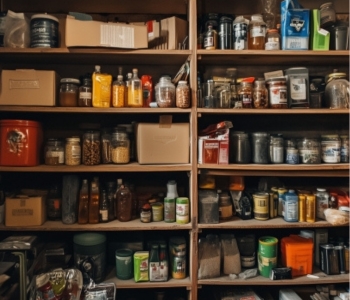 Investing $3,000 in a robust stockpile of non-perishable foods feels like you checked the box for food sustainability.
Unfortunately, a family of four will likely go through a stockpile of that size in a little over a year.
In prolonged disaster or societal collapse, you need long-term, renewable ways to produce your own protein and nutrient-dense vegetables.
Moving the Needle Toward Sustainability
Building long-term self-reliance through things like gardening, small game hunting, and cooking with off-cuts of meat is something you should practice in your everyday life. You don’t have to completely live off the land, but tending a garden, keeping backyard chickens, and hunting in the fall will keep those skills sharp.
Being able to source your own protein and produce in hard times will also reduce your dependence on your stockpile. That $3,000 worth of non-perishable food could stretch for two or even three years, as you take your self-reliance efforts to full scale.
How to Avoid Making this Prepping Mistake Again
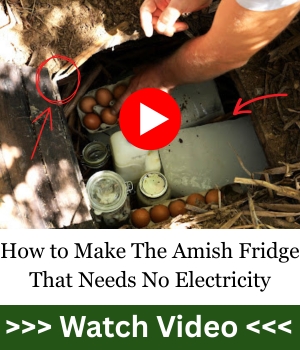
To truly survive in an off-grid world, you need to learn the old ways. And who better to learn from than the Amish, whose traditional, off-grid lifestyle has been perfected over generations?
I’ve been going through the Amish Ways Academy, and it’s been surprisingly useful. It’s taught by someone who actually lives within the Amish community, and the lessons focus on off-grid living, gardening, livestock basics, and traditional food preservation.
What struck me most is how much of this knowledge comes from habits that have worked for generations without relying on modern conveniences. A lot of it is simple enough to apply right away, and it makes you think differently about self-reliance and what you really need to live comfortably.
If you’re curious about how these skills look in practice, here’s a short video that gives a clearer picture of what the Academy teaches:
A Degrading Fuel Stockpile
Stockpiling $3,000 or more of gasoline and diesel fuel sounds like a sound resource strategy. You can use it to fuel your vehicles, run your tiller, power a tractor, and do other things you need for survival. You can barter gas and diesel with your neighbors to get other things you might need.
Related: Read This Before Stockpiling Your Fuel!
However, one prepping mistake you are probably making is forgetting that fossil fuels degrade over time. Gasoline in particular can break down, and the ethanol within it can separate out of solution, leaving water in your tanks, which affects fuel lines and filters. So, it’s not enough to have a massive stockpile of gas and diesel and leave it sit for some unknown amount of time.
Nevertheless, including a fuel stabilizer in your stockpile when you fill the tanks or cans is critical for long-term storage. Without it, gasoline will struggle to stay viable for longer than six months. Diesel can last a little longer without a stabilizing agent, but even that can vary by type, quality, and temperature.
It’s also better to store them in modest-sized gas cans of 5 to 10 gallons rather than in a giant tank. This makes it easier to rotate your fuel stockpile and keep it fresh. Even the highest quality fuel stabilizer has a limited lifespan of two years or less.
Insufficient Water Resources
You can easily sink $3,000 into elaborate home water filtration systems and giant storage tanks. It makes sense, because when disaster hits, clean water is worth it’s weight in gold. Yet even the most prepared often underestimate how quickly it disappears. Drinking, cooking, washing, and basic sanitation can drain reserves faster than expected.
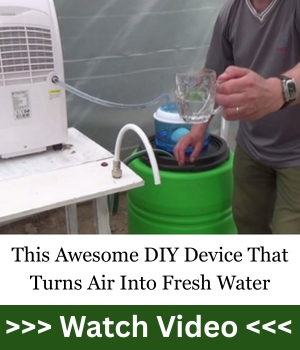
👉 How to Make Water Out of Thin Air
A bathtub water bladder might not last a family of four a full week, and bottled water vanishes even faster. Filters clog, cartridges expire, and maintenance gets tricky under stress. The preppers who endure long-term are the ones with layers of backup: rain catchment systems, purification tablets, and access to natural water sources.
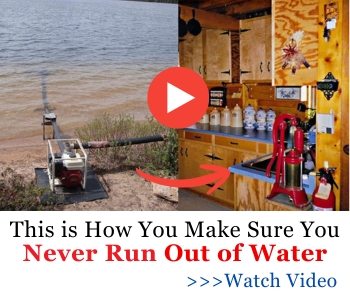 In this regard, the best strategy is to treat your water storage like your food stores by practicing using it. Spend a few days living only off your reserves and see how long they really last.
You’ll likely discover that your daily usage is far higher than expected. Especially when it comes to the amount of water you use for washing, cleaning, and bathing.
The benefit goes beyond recalculating storage needs. These trial runs teach practical conservation in things like bathing technique, washing strategy, and how to sanitize everyday items with minimal amounts of water.
Generator Noise Levels
In 2011, a massive tornado hit my area and knocked out power for more than three days. On the first day, the folks with generators were living large with lights on, food cold, and air conditioners set on high.
By day two, those same people had a steady stream of people knocking on their doors. Neighbors started offering money to charge phones, cool off in the AC, and recharge their batteries. These requests were easy to grant at first, but became a problem as time went on.
By the third day, generator owners couldn’t step outside without being approached. Every conversation led to another uneasy request, and many ended with an awkward refusal. The noise of those convenient generators had become a beacon in an otherwise silent world.
The Biggest Lesson Learned
A running generator is nearly impossible to hide after a grid collapse. Even with mufflers and careful placement, that steady hum carries farther than you’d think.
Silent energy is gold and peace of mind. The small solar setup that powered my camper, ran fans, and kept batteries charged without drawing attention. No one even walked down my driveway.
Even after the grid was restored, tensions between the neighbors with power, who had to eventually say “No,” and the people who were turned away were strained. I wondered how that would’ve played out if the outage lasted longer or if another crisis struck shortly after.
What to Do Instead
Learning from my experience, you probably don’t need to invest in an expensive generator. Instead, you could build a modular power plant at home.
In the VIDEO below, you’ll see exactly how to construct your Modular Backyard Power Plant – a reliable, 24/7 power source right in your own backyard. The instructions are clear and detailed, making it easy enough for even a middle school student to follow.
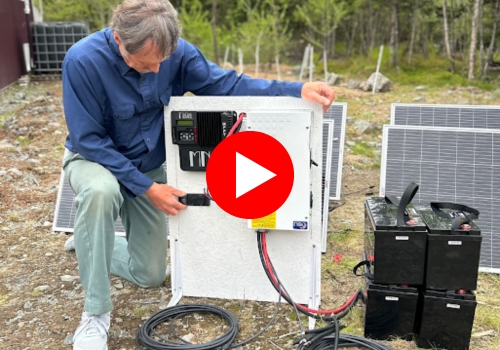
The best part? It’s a relaxing weekend project that can save you money and provide long-term security for years to come. So gather the family, get the kids (or grandkids) involved, and enjoy building something that’s practical, budget-friendly, and truly rewarding. Because nothing feels better than creating security with your own hands.
Not Having a Wood Heating Strategy
Failing to have a thought-out wood heating strategy is one of the most common mistakes preppers make. Many assume they’ll manage with propane or electric backups, yet few have the firewood to keep warm through a real winter.
Imagine a mid-January grid failure. Could you heat your home for more than a few days? Do you have enough seasoned wood to cook and stay warm until spring?
Unless you’ve got a large propane tank and a small, well-insulated house, you’ll need some type of wood-based backup plan.
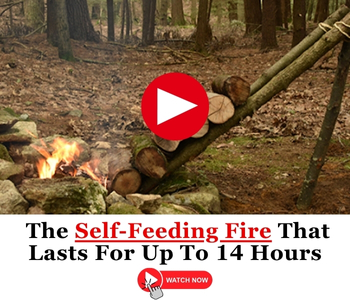 But how much woo do you really need? In cold regions like Minnesota, Montana, or Michigan, you can expect to burn about 1.5 cords of wood per month.
At $250–$300 per cord, that’s roughly $2,000 to heat a home for six to seven months. Then you’ll still need a cord or more for six months of cooking.
Investing roughly $3,000 in seasoned dried oak and keeping it properly stored, will give you enough fuel to stay warm and cook for a full year. That’s assuming you have a functional fireplace or some way to install a wood stove in your home.
Buying Gear Without the Skills to Use It
Believe me, I understand the appeal of expensive gear. There’s an honest sense of pride that comes with owning rugged tools, multi-fuel stoves, high-capacity batteries, and tactical flashlights that could blind an intruder. Yet it’s not enough to just own these things without knowing how to use them in the real world. And that’s a big mistake most preppers make.
I know people who have closets that look like a military supply depot but couldn’t start a fire in the rain to save their lives. Ultimately, knowing how to use your tools is far more valuable than owning the best ones. A person who’s practiced with basic tools will outperform someone who owns top-of-the-line gear but has no experience using it.
So the best way to avoid this prepping mistake and get your money’s worth out of the gear you invest in, is to make sure you know how to properly use it. When it comes to survival gear, a camping, fishing, or hunting trip is a great pressure test.
That being said, it’s more important than ever to have a copy of No Grid Survival within reach. Designed as a practical, step‑by‑step “How‑To” guide, this bestseller teaches both the essential basics and the advanced skills that matter when modern conveniences disappear, whether in everyday life or a full-blown SHTF scenario.

This way, you can save a lot of money, because you will learn off-grid skills, such as:
- How to make clean, drinkable water out of thin air
- Smart, legal methods to strengthen home protection and security
- How to keep your devices powered when the grid goes down
- Food‑preservation and off‑grid cooking projects
- Techniques for building self-sufficiency with tools and materials you already have
In short, this book is priceless, because in a crisis, the only thing you can truly rely on is the knowledge and skills you’ve already prepared.
Final Thoughts
Investing $3,000 in your prepping strategy will go a long way toward making sure you’re ready when disaster strikes. Yet it’s not enough to simply buy a massive stockpile of non-perishable food, a fancy home water purification system, or an emergency generator without a sustainable backup plan.
Knowing how to use the gear you invest in and taking the time to pressure test your strategy, keeps you from making major mistakes or suffering from blind spots later on. I understand how it feels to take pride in a big purchase, just don’t lose sight of the big picture in the process.
Did you make any of these mistakes? Tell us your story in the comment section below!
You may also like:
 Mistakes From the Bear Grylls That Can Get You Killed
How to Make Fire That Burns Like Hell (VIDEO)
6 Prepping Items the Amish NEVER Stockpile














When I came here yrs ago on this site.
We used the word Survival.
Now, we use the word Sustainability.
Or Evolve.
You never used the word survival, not one time in this article.
stay sharp
We are changing. BUTT come on…
Makes it hard, to want to read.
Sorry, I did find it one time.
It actually mentions survival more than one time, though
But I understand what the author says, we need to learn how to live better now because when the day comes, your gun won’t feed you brother.
Be savage if you want but for me this is the lifestyle, to live off-grid and learn to do thing myself, get back to my roots my wife too. Maybe you are younger, but at my age violence is not the answer, I believe in GOD one and obly and his gifts and Mother nature
Maybe you should learn some respect too son
With respect
STEVE
Hey Steve
First thing is, not your son, with respect.
As far as for GOD, he’s my father in heaven.
Being Savage, only if needed.
Happy you live the way you do. Good for only you.
As for my gun, it will only be needed at the right time…
Steve maybe you should show respect to, by not assuming that you can call me, another man, your son.
I to get what the person is meaning in the article also.
stay sharp
With respect…
Hey, red ant. Nice to see you on here again. Hope you’re keeping well. Don’t worry about the little things. Just stay frosty. If we’re not careful we can drown in the minutia and in the end it’s not very important anyways. You and I both know the hard times are still ahead of us. Whatever language they use in these articles is not important. That’s just more minutia to distract us. What IS important is that we get right with ourselves and with god. A strong spiritual base will help to sustain us through the coming hard times more than any food and water. We STILL have to take care of our physical self AND our spiritual self. The world has gone mad. Doesn’t mean we have to. Prepare as if you’re getting ready for a siege. For the evil ones WILL try and take us down. Nothing can kill our human spirit if we live in a house built by God. All the very best to you and your family. Stay strong. Persevere.
Armin
Hello my friend. So good to hear the words of such friend ship from you.
I truly think of you and yes we do know what hard times truly are.
O’ thank you so much Armin.
I wish the very best for you in these evil times, that are among us.
Yes, we need not trouble our sefs with such things that do not glorify GOD.
Stay strong Armin because the devil is out roaming like a lion, ready to devour all in his path.
stay sharp
I know many people have strong opinions on ethanol due to its interaction with their primary fuel source, gasoline, but…we forget that ethanol is a viable fuel source AND more importantly, it can be produced using relatively simple distillation practices (if hillbillies can figure it out…). Learn distillation and not only will you be able to produce fuel, you’ll also be able to produce a bartering commodity in alcohol.
Good article,
I’ve also made a few of those mistakes, for example buying an expensive generator and gas, but in the end maybe it will be useful when the day comes right?
I keep seeing that modular generator I was wondering if anyone here tried to build it, I don’t have the time but if I try I want to make sure it works. I trust your experiments anyway
Even fuel runs out and although I store a bunch, I also have the manual alternative to conduct chores. Hand drills, brace and bits, heavy ground breaking hoes, quality shovels, rakes and post hole diggers, hand saws up to four feet and of course axes and mauls. Chain, rope, come alongs, cable and blocks. The fuel I do have would be used to pump water first and foremost with tiller and chain saw next in line. Scythes are also in the line up. Gardening and wood cutting would likely be the bulk of your priority work load in a grid down scenario, followed by food preservation and laundry. You have to stay fed, warm, and clean to mitigate illness. Our seed bank is kept large as part of our preps. It is my belief that folks should be able to plant at least twice in case of crop failure. Being prepared does not ensure success, but it does tip the hand a bit in your favor.
GRRRRR, just didnt want to be left out.
Ok, I do