

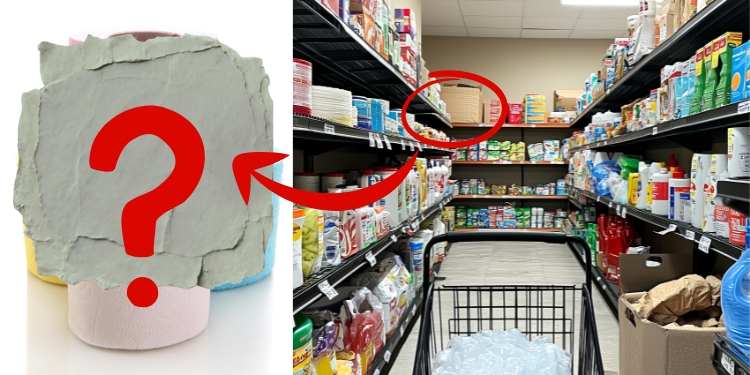


When disaster strikes, most people’s first instinct is to rush to the supermarket shelves and stockpile food. The mind fills with fantasies of canned goods, pasta, rice, and big jugs of purified water. Yet everyone having this same vision means these wanted staples will vanish almost immediately.
However, there’s one item that savvy preppers know has even higher value than bags of rice and beans. In fact, the number one item scavenged in most disasters is toilet paper. We saw it during the COVID-19 pandemic, when panic-buying left shelves bare for months. In a true SHTF scenario, or widespread natural disaster, humble toilet paper will have currency-like value.
While a roll of double-ply toilet paper might not help you fend off a throng of looters on the day, it remains a high-demand comfort and hygiene item that will always have practical value.
Why Toilet Paper Is the #1 Item to Acquire at Supermarkets
Toilet Paper Helps Maintain Morale
Being well stocked on supermarket toilet paper also helps maintain morale. Being able to wipe with ease each morning provides people with a shred of normalcy in their daily routine. It also provides comfort and conveys a sense of dignity.
Hygiene & Sanitation
Toilet paper’s hygiene value also contributes to it being the number 1 scavenge item. Improper sanitation can lead to disease outbreaks, and wiping with more abrasive materials can cause irritation that increases the risk of an unsanitary infection!
Barter Value
In a SHTF situation that causes a total collapse, or a widespread natural disaster that cuts the region off from resupply, people will trade almost anything for rolls of toilet paper. It becomes survival currency that you can use to barter for other things you might need.
In case you run out of toilet paper…
Here’s the thing – you can’t stockpile endless rolls of toilet paper, no matter how prepared you think you are. That’s why mastering hygiene without relying solely on TP it’s a smart strategy.
Having a backup plan makes all the difference. Beyond the obvious – bidets, leaves, and other natural options -our ancestors had hygienic methods that we’ve completely forgotten. Skills we take for granted today were once essential for survival.
The good news is that The Amish Way Academy makes it easy to learn these timeless skills, equipping you to handle whatever challenges come your way. By learning what’s worked for generations, you gain confidence and control when unexpected situations arise, turning survival into a skill you can rely on rather than a scramble for supplies.

You’ll discover how to set up low-tech systems that work reliably, minimize waste, and keep your household safe and healthy under any circumstance. It’s about creating routines that protect your family and give you peace of mind even when the unexpected hits.
Other Non-Food Essentials to Scavenge
Trash Bags
Like toilet paper, heavy-duty trash bags have a strong hygienic value, yet they can be used for more than just holding garbage. They’re waterproof, strong, and versatile. You can use them as raincoats, improvised tarps, a makeshift shelter roof, or even to collect rainwater.
Liquid Bleach
A gallon of bleach is another top-scavenged value item on supermarket shelves. Just prioritize liquid bleach over gel bleach, which is used more for cleaning surfaces than disinfecting. In a SHTF scenario, you can use it to disinfect surfaces, sterilize tools, and make unsafe water drinkable when diluted properly.
Pro Tip: You have to be cautious with the dosage of bleach for purifying water. For a standard household 5–6% sodium hypochlorite, it only takes 1/8th of a teaspoon per gallon of water.
Feminine Hygiene Products
Feminine hygiene products like pads and tampons are one of the most overlooked products in a prepper’s stockpile, but mind you, they have a value similar to toilet paper. Moreover, they aren’t just for their intended use.
Pro Tip: You can also use them for wound dressings, fire starters, and absorbent packing material. For more essential tips like this, CHECK OUT THIS GUIDE! Packed with practical skills, this valuable resource is designed to help you stay prepared, resourceful, and confident when unexpected challenges arise. Find out more in the video below!

Matches & Lighters
Without fire, survival gets tough fast. Cooking, warmth, light, and sterilization all depend on it. Grab every box of matches and every lighter you can find. Even cheap disposable lighters become priceless commodities.
Pro Tip: Keep stick lighters scattered throughout your survival gear and camping packs. They make it easier to safely light a fire deep in a tinder pile, and if you ever need to start a fire quickly with an accelerant like gasoline, the longer reach keeps your hands safely away from the flames.
Alkaline Batteries
In a SHTF scenario, scavenging the supermarket batteries for flashlights, radios, headlamps, and rechargeable walkie-talkies becomes a top priority. Scavenge AA, AAA, C, D, and 9V batteries in bulk. Rechargeable products are ideal if you have solar capability, but in scavenging mode, quantity matters.
Pro Tip: Take an inventory of what type of batteries your essential electronics use. That way, you’re grabbing the best possible size. I think you’ll also find that D, AA, and AAA are more common than C and 9-Volt batteries.
Aluminum Foil
Lightweight and endlessly useful, aluminum foil works for cooking, food storage, and even signaling for rescue in a SHTF situation. In survival settings, it can also be shaped into makeshift cookware, reflectors, or insulation for small shelters.
Pro Tip: Look for the term Heavy Duty Aluminum Foil when scavenging the supermarket. Not only is it thicker and more resilient, but it’s less likely to shred on the roll like thin, cheap aluminum foil is prone to do.
Soap, Detergent, Hand Sanitizer and Disinfectants
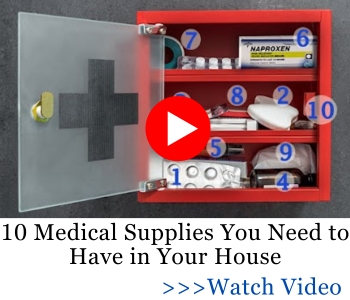 When supply chains collapse after SHTF, diseases will spread faster than bullets.
Scavenge bars of soap, hand sanitizer, and any disinfectant wipes you can scavenge. Staying clean is survival 101.
But, even with a stockpile, it’s smart to know how to sanitize hands, dishes, and surfaces without conventional products.
You never know when you’ll run out or find yourself in a situation where nothing store-bought is available.
Duct Tape
If you only had one tool in a SHTF situation to fix, patch, or hold the world together, duct tape would be it. You can use it to patch holes in shelters, make improvised bandages, repair gear, or even craft restraints. Don’t leave a supermarket without as many rolls of it as you can carry.
Pro Tip: If you have a choice in color, I recommend scavenging black and brown duct tapes for utility purposes. Then stock up a few rolls of brightly colored duct tape that you can tuck away for times when you might need to signal for help.
First Aid Supplies
Historically, when a SHTF natural disaster strikes, people raid supermarket pharmacies for medications and antibiotics. Yet looters often leave the pharmacy aisles alone once the painkillers and antibiotics are gone. In any case, bandages, gauze, antiseptic creams, and burn ointments are invaluable (together with all we included in our first aid kit recommendation here). Because, as you all know, in survival situations, even small injuries can turn deadly without proper care.
Of course, you can handle injuries and emergencies without depending on store-bought supplies. These remedies are proven, practical techniques that can keep you and your family safe when your first aid kit runs dry. You’ll learn how to treat burns, cuts, bruises, fevers, digestive issues, and more using simple, accessible ingredients.
Knowing them gives you confidence to act quickly and protect your loved ones when it really counts. Whether you’re at home or facing unexpected emergencies, having these remedies at your fingertips transforms panic into control.
Candles
We all know that, in a grid-down scenario, a simple candle could become a powerful tool. It’s cheap, portable, and critical for safety and morale. But knowing how to make your own from scratch? That’s the true survival masterstroke.
That level of self-sufficiency is the core of The Home Doctor. This essential volume is packed with medical knowledge and ingenious methods that will surprise even seasoned preppers. Every page is a tool for self-reliance and could help you gain the essential knowledge on how to thrive when the system collapses.
Final Thoughts
When SHTF, we all know that food and water are absolutely critical, yet they’re not the top items to scavenge at the supermarket. Toilet paper and other items that support sanitation, comfort, and long-term sustainability need to be high on your radar.
Of course, I’m also saying this assuming that you already have a pretty serious food stockpile. So when SHTF, let the unprepared masses grab pasta, bread, and canned beans first. Then you can sweep through the cleaning, paper goods, and household supplies to get the sanitation supplies you need to survive beyond the first few days.
If your stockpile runs out, what’s your go-to method for hygiene, cooking, or light, without relying on modern supplies?
You may also like:
 10 Survival Items You Should Get From The Pet Store
The Most Powerful Painkiller That We Lost to History (VIDEO)
Signs You’re (Probably) Not Taking Prepping Seriously
Bury These 8 Items Before The Next Crisis


















I can see your point on this article.
There will be a lot of caped asses out there after the grid goes down.
Other then toilet paper, is anti diarrhea and stool softener. Sinus pills and anything else’s that will help. Headache pills. Heart burn pills.Lip bulm. Foot cream, and don’t forget the preparation H…
Once it’s gone, NO MORE…
Try and get hard pill form. Will last the longest.
Try and have a large variety of all that you or anyone else may need.
Don’t wait to get these products before the crazy people come to the store, to destroy it.
stay sharp
You can do a search or check your local outdoor stores for toilet paper tablets. There’re like a pill you add a tablespoon of water. You can open it up to paper towel size. You can either use it for wiping up the tables or your hands or use it to Clean your body with. Or use them for the purpose intended. They are usually made from bamboo so do not flush them into the system because they do not degrade very quickly. I was surprised at how well they work. Those would make really good barter items.
If you stock pile enough TP, you can really clean up.
The Author expected that comment, and I don’t want to disappoint.
Now, if you have a good supply, think about year 5, and you know that you are one of the 1,547 living people that will have a comfortable experience in the coming hours, and not MORE PAIN and pass the Corn Husk.
Don’t waste the corn husks that way, they are for wrapping up the tamales. The standard was Montgomery Ward catalog or the Yellow Pages. But my main thought was don’t be trying to beat the crowd to the store, already have them stocked away.
Don’t forget newspaper
I just seen that the Romans used a sea sponge on a stick that they would clean with vinegar and water for the next person in line .
I’m old enough to have used cloth diapers on my kids and I’ve got an easy answer for a TP shortage. You take rags and cut them up into approx 6″ squares. (Everyone has rags. Even if you’re so far past teotwawki that you’re spinning your own thread to weave your own cloth, you will have rags.) Put a stack of these toilet cloths near the toilet. After use, drop the dirty cloth into a bucket near the toilet that’s half full of water and bleach and/or soap. When full, wring out the cloths (don’t say eww, hands wash nicely with soap. And you’d better have soap, whether prepped or scavenged or traded for or homemade) and drop into a washtub or bucket of boiling hot water and soap and swish around with a stick or wooden tongs, perhaps taking out each cloth to smack against a rock, wring out and drop into another bucket of clean boiling water to rinse, then wring again and hang up to dry. When dry, stack them up again and put them back near the toilet for reuse. When they are too thin and ragged even for toilet cloths, they’ll make great tinder for starting fires.
Waste nothing.
I remember using cloth diapers, too.
I’d rinse them in the toilet, then soak them in hot water with a little bleach and some dishwashing detergent. Afterward, take them out and launder separate from other laundry. Use some Oxi-clean and fabric softener in the laundry if you have any.
1 gallon pump up garden sprayer, add a few drops of liquid soap, use it for a bidet; cloth rag to dry with and then wash for the next use. We have a lot of mullein growing around here also, good foraged “TP” that is flannel soft. Speaking of liquid soap, it shouldn’t ossify like barred soap will.
I’d skip the liquid bleach and stock pool shock instead since liquid bleach is not shelf stable.
Make up a batch when you need it.
Otherwise good article.
Dang I just googled this. I had no clue it expired so quickly
Salt
A lot of salt. 50lb white salt licks from the farm store is the most compact way to store it. Do not store in metal containers. Break pieces off (hammer and screwdriver), a cloth bag can be used to further hammer down into smaller pieces/pulverize.