

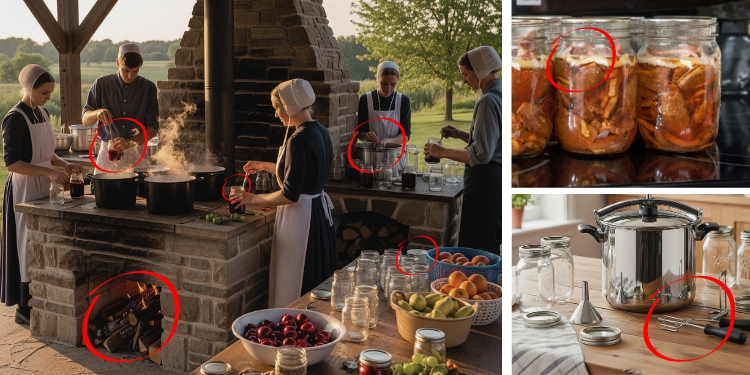


Canning has been a trusted method of food preservation for generations, with canning knowledge and techniques carefully handed down within Amish families. Yet modern misconceptions often deter people from embracing this time-honored tradition. The Amish, known for their simple living and self-reliance, have perfected canning techniques without the need for modern gadgets or fear of food safety. In this article, we’ll debunk common canning myths using the practical, old-fashioned methods practiced by the Amish, emphasizing the importance of safety, tradition, and the central role of family in these practices.
Introduction to Canning
Canning is a time-honored way to preserve food, allowing families to enjoy the bounty of their gardens long after the harvest season has ended. For generations, Amish families have relied on canning to store everything from green beans and tomatoes to jams and meats, ensuring a steady supply of wholesome food throughout the year. The canning process involves placing food in glass jars and using methods like boiling water, salt, and vinegar to create an environment that protects against spoilage and harmful bacteria.
There are several canning methods, each suited to different types of foods. Water bath canning is a simple process that uses boiling water to seal jars, making it perfect for high-acid foods such as tomatoes, fruits, and jams. For low acid foods like vegetables, meats, and green beans, pressure canning is required. This method uses a pressure canner to reach higher temperatures, ensuring that even the most resilient bacteria are destroyed. Steam canning is another option, offering a quicker process for certain recipes. By choosing the right method for each type of food, Amish families are able to safely preserve their harvests and enjoy the flavors of summer all year long.
Understanding Botulism: The Real Risk and How Canning Eliminates It
Any honest discussion of home canning has to address botulism directly rather than dancing around it. It is the reason many people hesitate to start canning and it deserves a clear, factual explanation rather than vague reassurance.
Clostridium botulinum is an anaerobic bacterium that produces one of the most potent toxins known. It thrives in low-acid, oxygen-free environments, which is exactly the environment inside a sealed jar of improperly processed low-acid food. This is not a trivial risk to dismiss. It is a real one that proper canning technique is specifically designed to eliminate.
Here is the critical science: Clostridium botulinum spores cannot survive temperatures above 240 degrees Fahrenheit (116 degrees Celsius). Boiling water reaches only 212 degrees Fahrenheit at sea level, which is why boiling water bath canning is not safe for low-acid foods. A pressure canner operating at 10 to 15 PSI raises the internal temperature to 240 to 250 degrees Fahrenheit, which is sufficient to destroy botulinum spores completely. This is not a tradition or a best practice. It is a matter of basic physics and microbiology.
For high-acid foods, the equation is different. Clostridium botulinum cannot grow or produce toxin in an environment with a pH below 4.6. High-acid foods including properly acidified tomatoes, fruits, pickles, and jams fall below this threshold, which is why water bath canning is safe for these foods. The acid itself creates an environment in which botulinum cannot function.
The National Center for Home Food Preservation at the University of Georgia, the primary authority on home food preservation science in the United States, provides extensively tested processing times for every category of home-canned food. Following their guidelines eliminates the botulism risk. Improvising processing times, using untested recipes, or substituting water bath canning for pressure canning on low-acid foods is where the genuine danger lies.
Knowing what to look for when you open a jar is the final layer of protection. Discard any jar that shows the following warning signs without tasting the contents: a lid that is bulging upward or that does not have a concave curve, spurting liquid when the seal is broken, an off or unusual odor when opened, any visible mold, or contents that look significantly different from when they were packed. When in genuine doubt, throw it out. The cost of a jar of food is never worth the risk.
Myth 1: “It’s Not Safe to Can Low-Acid Foods”
The fear of canning low-acid foods like vegetables, meats, and legumes is widespread. Many people worry about the potential for botulism and other foodborne illnesses, believing that only high-acid foods like fruits and pickles are safe for home canning.
This misconception has discouraged countless individuals from preserving a diverse range of nutritious foods, limiting their ability to store a well-rounded pantry for times of need. In reality, low-acid foods must be properly processed, typically in a pressure canner, to ensure safety and prevent the growth of harmful bacteria. But is it truly unsafe to can low-acid foods, or is this just a myth?
Amish Canning Method:
The Amish have been safely canning low-acid foods for generations by using pressure canning techniques. Pressure canning allows jars to reach temperatures above boiling point, and as part of the process, jars and lids are often boiled to ensure proper sterilization before filling. This method effectively destroys harmful bacteria, including Clostridium botulinum spores. It is crucial to ensure that jars are properly sealed after processing to prevent spoilage and maintain food safety.
They meticulously follow time-tested recipes and processing times, ensuring safety without the need for modern preservatives. Their approach demonstrates that with the right methods, canning low-acid foods is both safe and practical.
Myth 2: “You Need Expensive Equipment For Pressure Canning”
The perception that canning requires a significant financial investment in high-tech, expensive equipment often deters people from getting started. The market is flooded with gadgets and appliances that promise to make canning easier, but the cost can add up quickly.
This myth creates a barrier, making the practice of canning seem exclusive to those who can afford the latest tools. Is it necessary to spend a fortune to preserve your own food?
In reality, Amish canners often choose their equipment and methods based on their specific needs and the resources they have available.
Amish Community Method:
Amish families prove that simplicity and quality are the only real requirements for successful canning. Their equipment list is short and most of it lasts decades with basic care.
Here is what you actually need and what it realistically costs:
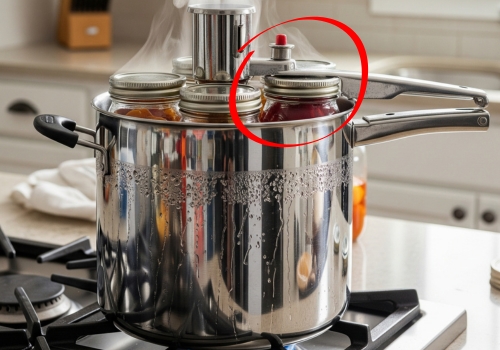
A quality pressure canner is the single largest investment and the most important one for low-acid foods. A Presto 23-quart pressure canner runs $90 to $110 and will last for many years with proper maintenance. An All American pressure canner, the type most commonly found in Amish kitchens, runs $120 to $200 but is built to a standard that means it may genuinely outlast you. For water bath canning of high-acid foods, a large stockpot you likely already own works perfectly with a simple rack placed in the bottom to keep jars off the direct heat.
Mason jars run $10 to $15 per dozen for quart-sized jars and are reusable indefinitely as long as they are not chipped or cracked. Lids are the one consumable in the process: they are single-use for the sealing process, though the bands are reusable. A box of a dozen lids costs $3 to $5.
Beyond the canner and jars, the additional tools you need are a jar lifter ($8 to $12), a wide-mouth canning funnel ($5 to $8), a bubble remover and headspace tool (often under $5), and a clean damp cloth for wiping jar rims before sealing. Total startup cost for a complete basic canning setup, including the pressure canner, one dozen jars, lids, and hand tools, lands between $120 and $175 for most beginners. That initial investment pays for itself within the first season of serious canning when measured against the cost of equivalent commercially preserved food.
The Amish approach also includes buying equipment secondhand whenever possible. Estate sales, farm auctions, and online marketplaces regularly offer quality older canners and jar collections at a fraction of new prices. A well-maintained older pressure canner with a replaced gasket is every bit as functional as a new one.
Myth 3: “Canning Is Too Complicated for Beginners”
The intricate processes and strict guidelines associated with canning can make it seem overwhelming for those new to the practice. However, canning is a skill that is learned through experience and practice, with many people gaining confidence as they continue to preserve food. Stories of failed batches, spoiled food, or even safety hazards contribute to the notion that canning is a complex skill reserved for experts.
This myth can intimidate beginners, causing them to shy away from trying their hand at home preservation. In reality, canning often doesn’t require constant watch, so you can multitask while jars are processing. But is canning truly too complicated for newcomers?
Amish Canned Goods Method:
Canning is a fundamental skill that the Amish learn from a young age. It is approached as a straightforward process rooted in routine and tradition. By starting with simple recipes—like fruit jams or basic pickles—and focusing on cleanliness, organization, and attention to detail, the Amish make canning an accessible skill for all.
They emphasize hands-on learning and patience, encouraging beginners to gradually build their confidence and expertise. Tasting the results, such as sampling pickled green beans after they have marinated, is an important part of the learning process for Amish canners, helping them understand when flavors have fully developed. This approach dispels the myth, showing that anyone can learn to can with the right mindset and guidance.
And when it comes to things that seem difficult for beginners, you should know that nothing is ever too hard to at least give it a try. For example, how does complete water independence sound – even being off-grid when it comes to the water you drink?
Even if you have zero experience in this area, your task becomes incredibly simple with this backpack-sized water generator. It’s a truly groundbreaking solution that gives you access to a device capable of producing over 40 gallons of water per day. Out of thin air!
Myth 4: “You Can’t Can Meat Safely”
The idea of canning meat at home raises concerns for many, with fears of bacterial contamination and food poisoning. This myth suggests that meat is too risky to preserve through canning. You should instead froze or preserve it using other methods.
Such beliefs limit the ability to store a valuable protein source for long-term use, especially in situations where refrigeration might not be reliable. When canning meat, it is important to start with fresh, high-quality meat and ensure it is thoroughly cooked during the canning process for safety. Is canning meat truly unsafe, or is this another misconception?
Amish Canning Method:
The Amish regularly and safely can meats like chicken, beef, and pork using pressure canning methods. By adhering to precise pressure levels and processing times specific to each type of meat, they effectively eliminate harmful bacteria. Meat is often processed for up to three hours, or several hours, to ensure safety and prevent spoilage. This lengthy processing time allows cooks to attend to other tasks while the jars are boiling.
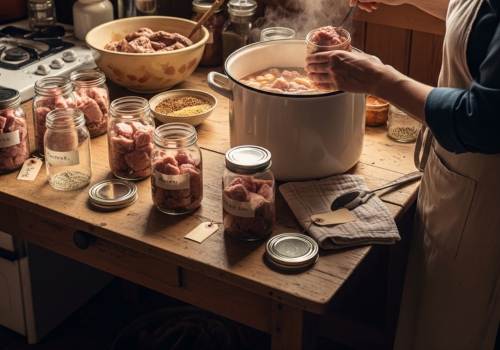
The Amish understand the importance of starting with fresh, high-quality meat and maintaining strict hygiene throughout the process. One benefit of canned meat is that it allows for quick meal preparation and reduces spoilage, making it a practical preservation method. Canned meat becomes a convenient, shelf-stable source of nutrition that can be relied upon year-round, particularly during harsh winters or times of scarcity.
Myth 5: “Canned Food Doesn’t Last Long”
A common belief is that home-canned foods have a short shelf life and that their quality diminishes quickly over time. This myth can make the effort of canning seem less worthwhile, as people may think their preserved foods will spoil before they can be consumed.
It is important to note that once a jar has been opened, it should be refrigerated and consumed within a few days to a week, depending on the type of food, to ensure safety and quality.
It raises doubts about the efficiency and practicality of canning as a method of long-term food storage. But how long does canned food actually last?
Amish Canning Method:
The Amish have long relied on canning to build a stable, multi-season food supply, and the actual shelf life of properly home-canned food is far longer than most people assume.
According to the USDA Complete Guide to Home Canning and the National Center for Home Food Preservation, properly processed and stored home-canned foods are safe to eat indefinitely from a food safety standpoint. Quality, meaning flavor, texture, and color, is what degrades over time rather than safety. The practical guidelines for best quality are as follows:
High-acid foods including fruits, tomatoes, pickles, jams, and jellies retain best quality for 12 to 18 months. They remain safe beyond that window but may show gradual changes in color and texture.
Low-acid foods including vegetables, beans, soups, and stews retain best quality for 2 to 5 years when stored in proper conditions. Again, safety is not the limiting factor here, quality is.
Canned meats and poultry retain best quality for 3 to 5 years under ideal storage conditions, making them one of the most valuable long-term protein sources a homesteader can produce.
The key phrase in all of these ranges is proper storage conditions. The enemies of home-canned food quality are heat, light, and humidity. Jars stored in a cool (50 to 70 degrees Fahrenheit), dark, dry location consistently outperform jars stored in a warm pantry or garage by a significant margin. A basement or root cellar that stays cool year-round is the ideal storage environment, which is exactly why traditional Amish homesteads are built with them.
The Amish practice diligent labeling with food type and date on every jar, and organize their pantries on a strict first-in, first-out rotation so older jars are always used before newer ones. Upon opening each jar, they inspect the seal, check for off odors or unusual appearance, and discard anything that raises concern without hesitation. These simple habits, consistent storage conditions, clear labeling, and disciplined rotation, are what make home-canned food a genuinely reliable long-term food supply rather than a gamble.
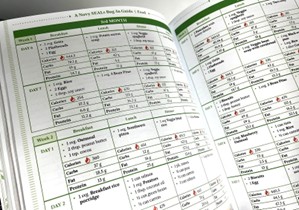
Preserving food is a crucial skill every prepper should master. In addition to the inspiration you get from the Amish community, you also have the chance to learn from the experience of a former Navy SEAL.
I’m talking about Joel Lambert, who, in his book A Navy SEAL’s Bug-In Guide, shows you how to effectively manage food during crisis situations. Here’s what you’ll discover in the pages of this well-structured guide:
- What to Do if They Find Out You Have a Stockpile
- The Year-Round Greenhouse
- The Only Foods You Need to Stockpile
- How to Make the Ultimate Survival Food with a 25-Year Shelf Life
- Preserving Food Without a Fridge
Myth 6: “Canned Food Loses Its Nutritional Value”
There’s a notion that the canning process destroys the nutrients in food, rendering home-canned goods less healthy than their fresh counterparts. This myth suggests that canning is counterproductive for those seeking to maintain a nutritious diet, discouraging people from preserving their harvests. Is it true that canning significantly diminishes the nutritional content of food?
In fact, canning can help improve year-round access to healthy, nutrient-rich foods, making it easier to maintain a consistent intake of essential nutrients regardless of the season.
Amish Canning Method:
The Amish recognize what research increasingly confirms: canning preserves far more nutritional value than the myth suggests, and in some cases the canning process actually improves the bioavailability of certain nutrients.
Here is what the science actually shows. Minerals including iron, calcium, magnesium, and potassium are heat-stable and are retained almost completely through the canning process. Fat-soluble vitamins A, D, E, and K are similarly heat-stable and survive canning with minimal loss. The nutrients that do experience some reduction during canning are heat-sensitive water-soluble vitamins, primarily Vitamin C and certain B vitamins. Research published through the National Library of Medicine shows that Vitamin C losses during canning typically range from 25 to 50 percent depending on the food and processing time, which sounds significant until you consider that the alternative for most of these foods is simply not having them available at all during winter months.
One nutritional benefit of canning that is often overlooked entirely: lycopene, the antioxidant compound in tomatoes associated with cardiovascular health and cancer risk reduction, actually becomes significantly more bioavailable after heat processing. Research cited by the USDA Agricultural Research Service confirms that processed tomatoes deliver more usable lycopene than raw tomatoes, which means your home-canned tomato products are in a meaningful sense more nutritionally potent than the fresh tomatoes you started with.
The broader point the Amish understand intuitively is that preserved nutrition is infinitely more valuable than no nutrition. Canning fruits and vegetables at peak ripeness, when their nutrient content is highest, and storing them for use through winter months when fresh produce is unavailable or expensive, results in a diet that is nutritionally superior to one that simply goes without those foods for half the year. Canning does not compete with fresh food. It competes with the absence of food.
Myth 7: “Old-Fashioned Canning Methods Are Unsafe”
Modern food safety guidelines often caution against traditional canning methods, labeling them as outdated or risky. This myth implies that only contemporary techniques and equipment can guarantee safety, dismissing the practices that have successfully sustained generations before us.
Such beliefs can create a disconnect with valuable ancestral knowledge. While Amish canners often rely on time-tested methods, they are not opposed to making changes to their canning practices to improve safety and efficiency when necessary. Specific canning methods may also vary depending on the Amish community or family tradition, with some approaches passed down through generations and adapted as needed. Are old-fashioned canning methods truly unsafe?
Amish Canning Method:
The Amish approach to canning is a blend of tradition and practicality. They respect the time-tested methods passed down through their communities but are also attentive to improvements that enhance safety and efficiency.
By staying informed about best practices and adapting when necessary—such as using tested recipes and acknowledging updated processing times—they maintain effective and safe canning procedures. These practices help protect the food from spoilage and contamination, ensuring that preserved goods remain safe for consumption. Their methods illustrate that traditional techniques, when applied with care and knowledge, remain a reliable means of food preservation.
How to Know When Something Has Gone Wrong
Understanding what a successful canning result looks like is only half the knowledge you need. Knowing what failure looks like, and what to do about it, is equally important and far less often discussed.
Jars that did not seal after processing. A properly sealed jar has a lid that curves slightly downward in the center and does not flex up and down when pressed. If a lid flexes or pops when you press the center, the jar did not seal. This is discovered either immediately after processing when you hear no sealing ping during cooling, or when you check jars the following day. An unsealed jar from a fresh canning session can be refrigerated and used within a few days just like fresh food, or reprocessed within 24 hours using a new lid if the food quality is still good. Never store an unsealed jar at room temperature assuming it will be fine.
Jars that show signs of spoilage when opened. Before opening any stored jar, inspect the lid. It should still be concave and firm. A lid that has become flat or is bulging upward is a serious warning sign of internal gas production, which can indicate microbial activity including botulinum. Do not open a bulging jar inside your home. If you must open it to confirm spoilage, do so outdoors and keep your face away from the jar. Discard the contents without tasting them and sanitize everything the contents may have contacted.
When you open a jar that appears normal, use your nose before you use a fork. A properly canned food smells like a concentrated version of what you put in. Any off odor, sourness where there should be none, fermented smell in a non-fermented product, or anything that triggers instinctive doubt is a reason to discard the jar. The botulinum toxin itself is odorless, which is why the other warning signs matter. Never taste-test food from a jar you have any doubt about.
Surface mold on jams and preserves. Despite what older recipes may suggest, scraping mold off the top of a jam jar and eating the jam beneath is not safe practice. Research has shown that mold filaments penetrate further into soft foods than the visible surface growth suggests, and some molds produce mycotoxins that are not destroyed by heat. Discard any jar of jam or preserve that shows surface mold growth.
Cloudy liquid in vegetable or meat jars. Some cloudiness in vegetable canning is normal, caused by starch from the vegetables themselves. However, cloudiness that was not present when the jar was first opened, or cloudiness accompanied by any off odor or unusual texture, warrants discarding the jar. When in doubt, throw it out. This is not a counsel of excessive caution. It is the single most important habit in home canning safety.
For Those Who Want to Experience Amish Canning Before Trying It Themselves
If you’re interested in experiencing the quality and flavor of Amish canned goods, it’s important to seek out authentic products from trusted sources. Amish communities in Pennsylvania, especially in Lancaster County, are renowned for their traditional canning skills and high-quality canned goods. Local farmers’ markets often feature Amish vendors selling a variety of canned vegetables, meats, and jams, giving you the chance to taste the results of generations-old recipes.
For those who prefer shopping online, look for stores that specialize in Amish products and offer detailed descriptions and customer reviews. Well-known brands like Jake & Amos provide a wide selection of Amish canned goods, from pickled vegetables to hearty meats and sweet jams. To ensure you’re getting genuine Amish canned goods, take the time to review product information and, if possible, connect with sellers who are part of the Amish community. Attending Amish events or visiting their communities can also be a rewarding way to learn more about their canning traditions and purchase products directly from the source. By choosing authentic Amish canned goods, you not only enjoy delicious, shelf-stable foods but also support the preservation of a valuable cultural tradition.
Learn More Amish Secrets
Many of these powerful tips come straight from The Amish Ways Book– a rare, physical guide packed with hundreds of proven survival strategies rooted in Amish tradition.
In the book, you’ll also find many other secret Amish tips and techniques that could save your life in a crisis.
For the first time ever, this 200-year-old wisdom is available in a beautifully made hardcover edition, authored by Eddie Swartzentruber, a man who spent 16 years living within the Amish community and learning their way of life first-hand. You can grab your own copy today and claim 3 FREE BONUSES using my exclusive 76% discount coupon right here.
These time-honored techniques have helped the Amish thrive off-grid and remain resilient in the face of societal collapse. Don’t wait for disaster to strike. Start mastering these skills today!
Here’s how you can make Bread in a Jar!
Amish canning traditions include a wide variety of preserves, such as jam and salsa, often made with fresh vegetables and fruits from the garden. Many Amish women begin preparing these preserves in the spring, using the first harvests, and store them for use throughout the winter when fresh produce is scarce. This seasonal approach ensures that families can enjoy the flavors of their garden all year long.
The Amish demonstrate that canning doesn’t have to be complicated, expensive, or unsafe. By embracing simple tools, following proven methods, and paying attention to detail, anyone can successfully preserve food. The key is to respect the process and commit to learning the proper techniques.
Don’t let myths deter you from this rewarding and practical skill. Start small, learn from the traditions of those who’ve perfected the art, and soon you’ll be enjoying the fruits of your labor all year round.
Besides food and water, make sure to secure your access to electricity so your home remains functional even after SHTF. Discover this Easy DIY Power Plan solution developed by a “crazy” geography professor from Memphis, Tennessee.
You may also like:
Amish Long-Lasting Recipes Every Prepper Should Learn
The US Army’s Forgotten Food Miracle (Video)
Amish Cinnamon Bread: Friendship Recipe
12 Amish Farming Secrets Every Prepper Should Know
10 Amish Survival Hacks You Didn’t Know About
15 Best Books About Life Skills You Should Own

























we’ve been canning chicken and beef for years. you don’t need to precook it because it cooks in the jar as you pressure cook it. the local bent can store will get 40lb boxes of chicken in for a good price and we’ll get 2 boxes and can it. when food for less has hamburger on sale we’ll get 50-60 lbs and can it. i do have a question though. i’ve heard canning sausage with sage in it will turn bitter in the canning process. we have alot of sausage in the freezer and would like to can it to make room in the freezer. any info woulkd be appreciated.
Hey there!
Great question! You’re absolutely right that some herbs, like sage, can become bitter or develop off flavors during the pressure canning process. The high heat can change the flavor profile quite a bit, especially with stronger herbs.
Many folks still can sausage with sage in it and are totally fine with the result. Truth be told, it depends on how much sage is in the mix and your own taste. If you’re concerned, what you should do is do a small test batch first. Can just a jar or two, then taste it after a week or so to see how the flavor holds up.
Also, if you’re making sausage specifically for canning, consider cutting back a little on the sage. Or even adding fresh sage when you open the jar later for cooking. That’s how you can still get the flavor without risking bitterness.
Pressure canning sausage is, indeed, a great way to free up freezer space and extend shelf life. Just make sure you’re following a safe method (usually browning the sausage first and canning in broth or water under pressure)
Hope this helps!
Howdy from high in the desert swamp,
I have canned sausage with sage and never tasted a difference. I didn’t know you weren’t supposed to. I am going through my jars from 2020 through 23. I am putting my first stuff in and I am noticing when I have food ready to be canned and open a can of the same thing that I have done it smells no different. That’s going on five years. Follow the directions for your canner and altitude. I don’t remember reading this, but I know some people older than me said take it out of the canner and set it off to the side and don’t move it again for 24 hours. You’ll be tempted to tighten the lid. Don’t. Do that after 24 hours. That’s fine with me. It just sits anyway. I just finished up Pemmican in a quart jar from 2021. It’s fine. I need to start re-canning as I am thinning out the older stuff. I haven’t done raw meat. I usually can leftovers. I haven’t intentionally set out to can a steak or brisket, chili… I just can leftovers. So far I have not had a problem. Don’t shortcut time or think you can go lower pressure for longer. I know the article said it but pressure raises the temperature of the water. Going longer doesn’t mean anything if it’s not hot enough. . As far as herbs, I have all kinds in my chili and stews I have canned. I didn’t worry about it because I didn’t know I was supposed to. The advice from the staff about canning a jar, wait a couple weeks or a month and try it. Ultimately it’s up to you what tastes not pleasant. I found a far easier way to take the sealed lid off and not use a butter knife edge. A church key works perfectly. The round end not the pointy end.
Remember the Alamo
Remember North Carolina
Remember to have your soul prepared
I have canned food from years ago and it is still good! No flavor change and I use tuns of herbs and spices in all my food up to over 17! The only thing I do not can is lettuce lol!! I even canned small loves of banana bread.for real!
I live in Canada. Is it possible to order the book The Amash Ways and have it sent to Canada.
Hi Wendy,
Thank you very much for your comment and request!
Unfortunately, The Amish Ways Book is only available for order in the United States of America.
We will contact you as soon as it becomes available in Canada too.
Have a great day!
Use to in younger days hunt bears. We canned RAW bear meat all the time. Cut into about 1 inch cubes tossed with a little salt, garlic and onion powder. Raw packed in to quart jars with correct head space and No fluids. Presser canned with correct adjustments for 1 hour and 15 minuets at 15 lbs. Jars filled with there own juices and tasted like roast beef.
is it just me, OR
the how long question never got answered. Acted like we were going to get an answer, but we didnt. I think the answer is, WHAT KIND OF FOOD. I bet pemican would last longest ! and lettuce would spoil fast. : )
Its just too bad, the Amish wont post on you tube so we can learn more about canning from a genuine Amish, and not someone that might use an electric stove to pressure can.
Pickles, GOOD place to start. !
secret, 1 batch – say 6 qts, you spice each jar differently. you write identifier on lid, WAIT minimum 1 month to taste. Then before season ends, make MORE. If you spice them correctly for YOU, they will not last till next season. How long will they keep, problem solved ( digested) low acid, high acid, stomach acid wins ! If they are gone in 11 months or less, I bet the acid doesnt matter. My proof, how long has man been eating canned pickles ? I bet it pre dates High Acid cucumbers.
Cucumbers, ingredients – VINEGAR, and SALT, and SPICE ! this is whats known as a BAD habitat for bacteria.
PS NEVER use chlorinated water or IODIZED salt – this will cloud the water, which could hide a jar that did not seal. remember to wipe the sealing surface CLEAN before you lid.
After they have been in storage a few months, a bad seal should be easy to spot, cloudy at the bottom – throw away !
Non Amish have made a few pickles, and pickle video’s, good starting place !
I plan to do Tomatoes, pickles, fruit jelly, jam, preserves, and maybe nectarines if I get a big crop and find out they can be canned like peaches.
Remember, a journey of a thousand canning jars full of food, starts with a single pot on the stove. You can just go buy several cucumbers and try your first test jar TONIGHT !