
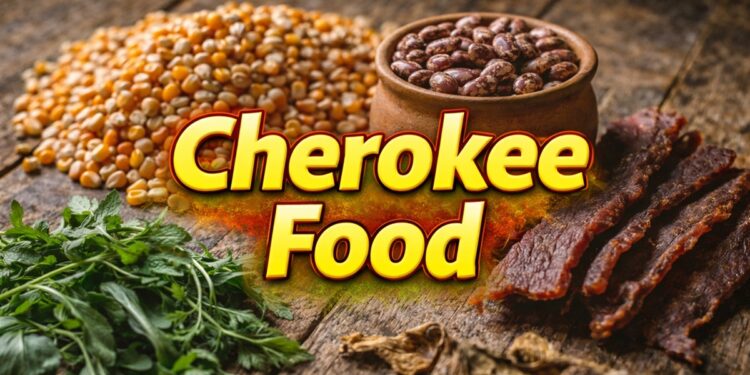


The Cherokee Nation sustained itself for thousands of years without grocery stores, refrigeration, or supply chains. They fed large communities through harsh winters, droughts, and lean seasons using nothing but the land, accumulated knowledge, and disciplined food systems. That is exactly the kind of resilience every serious prepper should be studying.
Cherokee food traditions are not just history. They are a working blueprint for long-term food security built on farming, foraging, hunting, fishing, and food preservation techniques that require no electricity and no modern infrastructure. This guide breaks down what the Cherokee ate, how they grew and sourced it, how they kept it through the winter, and what specific skills and plants you can integrate into your own preparedness plan right now.
The Foundation of Cherokee Food: The Three Sisters
The agricultural backbone of Cherokee food was the Three Sisters planting system: corn, beans, and squash grown together in a companion planting arrangement that has been practiced by Indigenous peoples across North America for over 3,000 years. This was not just tradition. It was precision agriculture developed through generations of observation and refinement.
The system works because each plant supports the others. Corn grows tall and provides a natural trellis for bean vines to climb. Beans are nitrogen-fixing legumes that replenish the soil, reducing the need for external fertilizer. Squash spreads low along the ground, shading out weeds and retaining soil moisture with its broad leaves. Together, the three crops also form a nutritionally complete diet. Corn provides carbohydrates and calories, beans provide protein and essential amino acids that corn lacks, and squash provides vitamins and minerals including vitamin A, vitamin C, and potassium.
From a survival standpoint, the Three Sisters system is one of the most practical food production models ever developed. All three crops produce yields that can be dried and stored for long periods without refrigeration. Dried corn, dried beans, and dried squash seeds store for years when kept cool and dry. The USDA notes that properly dried legumes can remain viable and nutritious for 25 to 30 years, which puts dried beans on par with the best modern long-term food storage products available.
Corn in the Cherokee Diet
Corn, or selu in the Cherokee language, was the most important crop and held deep cultural and spiritual significance. The Cherokee developed multiple varieties suited to different purposes and growing conditions, and they processed it in ways that dramatically extended its nutritional value and shelf life.
The most significant processing technique was nixtamalization, the treatment of dried corn with an alkaline solution, typically wood ash lye or limestone water. This process, well documented by food historians and nutritional scientists alike, chemically releases bound niacin in the corn, making it bioavailable to the human body. Populations that ate corn without nixtamalization developed pellagra, a severe niacin deficiency disease. The Cherokee and other corn-dependent cultures who practiced nixtamalization did not. This is one of the clearest examples in history of traditional food knowledge encoding solutions to problems that Western science would not formally understand for centuries.
Nixtamalized corn was ground into hominy or meal and used to make a range of staple foods. Kanuchi was a thick corn soup. Cornbread was baked in the coals of a fire wrapped in corn husks or leaves. Corn was also roasted, dried, and ground into a portable flour that could be mixed with water on the trail for quick, high-calorie nourishment. A handful of this dried corn flour mixed with water or broth kept a person fed and functional on long hunts or journeys.
Beans
The Cherokee grew numerous varieties of beans, including pole beans, runner beans, and what are now called Cherokee Trail of Tears beans, a deep purple-black bean carried by Cherokee families during the forced relocation of 1838 and still grown and preserved today. Beans provided protein, fiber, and iron, and they dried perfectly for long-term storage. Dried beans were stored in clay pots, woven baskets, or buried caches, and they formed a critical protein source through the winter months when fresh meat was harder to come by.
Squash and Pumpkin
Squash and pumpkin were eaten roasted, boiled, and dried. The flesh was sliced thin and dried in the sun or near a fire to create lightweight, long-lasting food that rehydrated in soups and stews. Squash seeds were also eaten, providing fat and protein. From a prepper perspective, winter squash and pumpkin are among the easiest crops to store whole without any processing. A cured butternut squash kept in a cool, dry location can last four to six months after harvest.
Wild Plant Foods the Cherokee Relied On
Agriculture provided the caloric foundation, but the Cherokee supplemented their diet extensively with wild plant foods gathered from the surrounding forests, riverbanks, and meadows. This foraging knowledge represented hundreds of generations of accumulated botanical expertise, and many of the plants they relied on are still available across the same regions today.
Ramps, known botanically as Allium tricoccum, were one of the most important spring wild foods. These wild onions emerge in late winter and early spring before most other plants, making them a critical early-season food source after the long winter. The Cherokee used ramps as both food and medicine, eating the leaves and bulbs raw, cooked in soups, or dried for later use. Ramps are still found across Appalachia and the eastern United States and are one of the easiest wild edibles to identify and harvest.
Related: The Native American Foods That Cherokees Ate During Hard Times
Pawpaw fruit was a prized seasonal food. The pawpaw, Asimina triloba, is native to eastern North America and produces a tropical-tasting fruit with a creamy, custard-like flesh high in calories, potassium, and vitamin C. Pawpaw trees grow in river bottoms and moist forest understories and ripen in late summer. The fruit does not preserve well fresh, but it can be dried or made into a paste for extended storage.
Hickory nuts, black walnuts, chestnuts, and acorns were all gathered and processed as high-fat, high-calorie food sources. Hickory nuts in particular were used to make a nutritious oil-rich broth called kanuchi, made by boiling pounded hickory nuts in water and skimming the rich, fatty liquid from the surface. This provided concentrated calories and fat at a time of year when fat was difficult to obtain. Acorns required leaching to remove bitter tannins before eating, a labor-intensive but effective process accomplished by soaking ground acorn meal in running water for several days.
Wild greens including watercress, wood sorrel, lamb’s quarters, and pokeweed young shoots were gathered seasonally. Pokeweed requires specific preparation since mature leaves and roots contain toxic compounds, but the young spring shoots, when properly boiled and the water changed at least twice, have a long history of safe use as a cooked green. This distinction matters: the Cherokee knew exactly which part of the plant, at which stage of growth, processed in which way, was safe and nutritious. That kind of precise plant knowledge is exactly what serious foragers need to develop.
Berries of all kinds, including blackberries, blueberries, serviceberries, elderberries, and wild strawberries, were eaten fresh in season and dried for winter storage. Dried berries were mixed into pemmican-style travel foods, added to soups and stews, or eaten as-is. Elderberries, which are now well recognized for their immune-supporting properties, were used medicinally as well as as food by the Cherokee.
Hunting and Fishing: The Protein System
The Cherokee were accomplished hunters and fishermen whose protein supply was far more sophisticated than simple opportunistic hunting. Deer was the primary large game animal, providing not just meat but also hide for clothing and tools, bone for implements, and fat for cooking and preservation. White-tailed deer were hunted with bows, traps, and communal drives where groups of hunters would work together to direct deer into killing zones.
Wild turkey, bear, elk, rabbit, squirrel, and duck were also hunted regularly. Bear fat was particularly valuable as a cooking fat and preservative, rendered and stored in clay pots for use through the winter. The Smithsonian National Museum of the American Indian documents the central role of white-tailed deer in Cherokee material culture and diet, noting that virtually no part of the animal was wasted.
Fishing was conducted using weirs, traps, nets, and fish poisons derived from plants like buckeye, devil’s shoestring, and mullein. These plant-derived ichthyotoxins were crushed and placed in slow-moving water, temporarily stunning fish so they could be collected by hand. This technique required no hooks, no line, and no manufactured equipment, only knowledge of which plants to use and how to apply them effectively. The fish were then eaten fresh, smoked, or dried for storage.
Related: What Happens If You Put Meat In Lard?
Smoking and drying were the primary fish and meat preservation methods. Thin strips of venison or fish were hung over a slow smoky fire for extended periods, producing a dried product that resisted spoilage for months. The combination of low moisture content and the antimicrobial compounds in smoke, particularly phenols and creosote, created a preservation effect that needed no salt and no refrigeration.
Cherokee Food Preservation: How They Fed Themselves Through Winter
Preservation was not an afterthought in Cherokee food culture. It was a season-long priority. The ability to carry surplus food through the winter was the difference between a community that thrived and one that starved, and the Cherokee developed preservation methods sophisticated enough to maintain food security through the harshest eastern American winters.
Drying
Sun drying and fire drying were used for virtually every food category: corn, beans, squash, meat, fish, berries, and wild greens. Dried food is lightweight, compact, and shelf-stable without any ongoing energy input. A Cherokee household entering winter with adequate dried stores could feed itself for months from baskets and pots that required no maintenance whatsoever. This is still the most reliable and energy-independent food storage method available, and it requires nothing more than a heat source and dry air.
Underground Storage
Root cellaring and underground cache pits were used to store root vegetables, nuts, and dried goods at stable cool temperatures. The consistent underground temperature of 50 to 55 degrees Fahrenheit found a few feet below the surface keeps root crops and other produce in good condition for months. Cache pits lined with bark, leaves, or grass provided insulation and moisture control. This is the same principle behind modern root cellars and remains one of the most practical food storage solutions for off-grid homesteaders.
Rendering and Fat Storage
Animal fats, including bear fat, deer tallow, and turkey fat, were rendered by boiling and skimming, then stored in sealed clay pots. Fat is calorie-dense, does not require refrigeration when properly rendered and stored away from light and heat, and has a long shelf life when kept in airtight containers. Rendered animal fat was used as a cooking medium, a food in its own right mixed with dried meat and berries, and a preservative coating applied to dried meats to slow moisture absorption.
Fermentation
The Cherokee also practiced fermentation, particularly for corn beverages and some vegetables. Fermented foods extend shelf life through beneficial microbial activity and, in the process, often increase the bioavailability of nutrients. Sour corn porridges and fermented hominy were part of the regular diet and provided probiotic benefit alongside calories, though the Cherokee understood this in practical rather than scientific terms.
Pemmican and Trail Foods: Cherokee Survival Rations
Long-distance travel, hunting expeditions, and warfare required portable, calorie-dense food that needed no preparation and would not spoil. The Cherokee, like many Indigenous peoples, developed trail foods that met these requirements precisely.
Kanuchi, in its trail food form, was pounded hickory nut paste combined with dried corn flour and sometimes dried berries, shaped into cakes or balls that provided fat, carbohydrate, and some protein in a compact package. Similar preparations using dried venison, rendered fat, and dried fruit mirror what is now called pemmican in other Indigenous traditions. These foods are the ancestral equivalent of modern survival rations and are arguably more nutritious than many commercial emergency food products available today.
Dried corn flour mixed with water was the simplest trail food, requiring no fire and no preparation beyond the initial drying and grinding. Parched corn, made by roasting dried corn kernels until lightly browned, has been documented as a standard travel ration across numerous eastern woodland tribes and provided a shelf-stable, calorie-dense food that weighed almost nothing. A small pouch of parched corn could sustain a person for days when combined with foraged food along the route.
Medicinal Foods and Dual-Purpose Plants
The line between food and medicine in Cherokee culture was not rigid. Many plants served both purposes, and understanding which plants offered both nutritional and medicinal value made the Cherokee food system even more resilient. A plant that fed you and treated illness simultaneously was doubly valuable.
Spicebush, Lindera benzoin, was used as a spice and flavoring agent in cooking and also as a treatment for fevers and respiratory illness. The Cherokee Ethnobotany database maintained by the University of Michigan documents hundreds of plant species used by the Cherokee for food and medicine, providing a research resource for anyone wanting to go deeper into specific plant uses.
Wild ginger, Asarum canadense, was used to flavor foods and as a digestive remedy. Sassafras was used to make a root tea that served as a spring tonic and flavoring agent. Black cohosh, now known primarily as a women’s health herb, was also used in food contexts. Spicebush berries were dried and ground as a substitute for allspice, demonstrating the Cherokee approach of integrating wild flavor compounds into everyday cooking in ways that added medicinal value without any additional effort.
What Preppers Can Learn and Apply Right Now
The Cherokee food system works. It fed a sophisticated civilization for thousands of years without any of the inputs modern food production depends on. Every major element of that system is available to you right now, and most of it can be implemented on a small scale with minimal investment.
- Plant the Three Sisters. Corn, beans, and squash grown together require less fertilizer, less weeding, and less water than monoculture planting. They produce calorie-dense, storable crops that cover your macronutrient bases. Open-pollinated heirloom seed varieties are available from numerous suppliers and can be saved and replanted indefinitely, eliminating dependency on commercial seed supply.
- Learn to identify ten wild edible plants in your region. Start with the most common, most recognizable, and most forgiving species. Ramps, lamb’s quarters, wood sorrel, blackberries, and hickory nuts are good starting points in eastern regions. The USDA Plants Database and regional foraging guides specific to your state are the most reliable identification resources.
- Master smoke preservation. A simple cold smoker can be built from scrap wood and a length of pipe. Smoked and dried venison, fish, or beef requires no refrigeration and lasts months. Practice this skill now, before you need it, so that when you have an animal to process you know exactly what you are doing.
- Build a root cellar or underground cache. Even a simple buried cooler or an insulated crawl space can extend the storage life of root vegetables, apples, and winter squash significantly beyond what is possible at room temperature. Underground storage requires no energy input and provides consistent cool temperatures year-round.
- Learn to nixtamalize corn. If corn is part of your long-term storage plan, nixtamalization is not optional. Eating large quantities of unprocessed corn as a dietary staple leads to niacin deficiency over time. The process requires only dried corn, wood ash or food-grade calcium hydroxide, and water. It takes a few hours and transforms the nutritional value of one of the most storable crops on earth.
- Study rendered fat storage. Properly rendered tallow and lard stored in sealed containers keep for months to over a year without refrigeration when kept in a cool, dark location. Fat is the most calorie-dense macronutrient and one of the hardest to source in a grid-down scenario. Rendering and storing animal fat now is a high-value prep that most people overlook entirely.
Remember This!
The Cherokee food system proves something most modern people have forgotten: true food security does not come from stocked shelves, it comes from knowledge. For thousands of years, entire communities survived harsh winters, crop failures, supply disruptions, and long travel seasons because they understood how to produce, preserve, and prepare calorie-dense foods that lasted without refrigeration.
That same knowledge still exists today, and it is more relevant than ever.
Lost Super Foods uncovers dozens of survival foods that sustained populations long before modern food systems existed. Many of these foods require no electricity, store for years, and provide exceptional nutritional value using simple, time-tested preparation methods. These are not trendy recipes or novelty ideas. They are practical, field-tested foods designed for resilience, longevity, and independence from fragile supply chains.
If the Cherokee relied on dried corn, beans, preserved meat, rendered fat, underground storage, and nutrient-dense trail foods to survive unpredictable conditions, it makes sense to study other traditional foods developed for the same purpose. Across cultures, people solved the exact same problem: how to create food that lasts, travels well, and keeps the body functioning even during prolonged hardship.
Inside Lost Super Foods, you will discover how to prepare foods that:
- Remain edible for years without refrigeration
- Provide dense calories for physically demanding conditions
- Require simple ingredients that can be grown, hunted, or sourced locally
- Support long-term storage strategies without reliance on modern infrastructure
- Help you build a resilient food system instead of depending entirely on stores
- Preserve traditional methods designed specifically for uncertain times
- Complement gardening, foraging, hunting, and homesteading efforts
Many of the foods documented in Lost Super Foods were developed under conditions where failure meant hunger. They were refined through real necessity, not marketing trends. That makes them especially valuable for anyone serious about preparedness.
Understanding how to grow corn, dry beans, store squash, render fat, and preserve meat is powerful. Knowing dozens of additional foods designed specifically for long-term storage expands that capability even further. The more methods you understand, the more adaptable your food system becomes.
Preparedness is not just about having food today. It is about knowing how to create food tomorrow, next season, and years from now using reliable techniques that do not depend on fragile systems.
Lost Super Foods gives you access to that knowledge so you can build a deeper level of food independence using methods that have already proven themselves across generations.
If you want a food supply that remains stable even when modern systems fail, learning these forgotten preservation and survival foods is one of the most practical steps you can take.
Discover the full collection of long-lasting survival foods here!
Final Thoughts
Cherokee food is not a curiosity or a history lesson. It is a field-tested survival system refined over thousands of years by people who had no margin for error. Every technique they developed, from nixtamalization to cache pits to pemmican-style trail rations, solved a real problem in a practical, sustainable way. The knowledge is there for anyone willing to learn it.
The best preppers are not the ones with the most gear. They are the ones with the deepest knowledge. The Cherokee Heritage Center and the Museum of the Cherokee Indian are worth visiting or researching for anyone who wants to go beyond the surface and understand this food culture in full. Start with the Three Sisters, learn ten wild plants, and master one preservation method. That is a more meaningful step toward genuine food resilience than any amount of commercially packed freeze-dried product on a shelf.
You may also like:
 Join The WhatsApp Ask A Prepper Channel For Daily Helpful Prepping And Survival Tips
When Grocery Stores Go Empty – A Back Door Shopping Strategy (Video)
10 Most Powerful Medicinal Plants Used by Cherokees