



Hard times usually do not announce themselves. History shows they arrive quietly, through small day-to-day changes: grocery bills that climb every month, portions that shrink without warning, and a slow realization that eating the same way you always have no longer works. Many folks who think they are ready discover too late that their food plans were built for short emergencies rather than long stretches of pressure.
The uncomfortable truth is that food breaks morale faster than almost anything else. You can tolerate discomfort, boredom, and inconvenience for a long time, but steady hunger and bad meals wear people down mentally and physically. That is why learning how to make real meals for about a dollar per portion matters more than having shelves full of food you never eat.
The Real Math Behind a One-Dollar Meal
 A real one-dollar meal does not come from buying food one plate at a time, because that approach always collapses once money tightens.
The cost only drops when food is cooked in batches and eaten across several meals, which spreads the expense instead of concentrating it.
Here is an example that shows how the math actually works.
Beans and rice cooked for multiple meals:
- 2 lb. dry lentils: about $2.00
- 2 lb. white rice: about $2.00
- 2 onions: about $0.75
- Cooking oil and salt (portion used): about $0.25
- Total cost: roughly $5.00
That amount produces a large pot of lentils and a pot of rice that realistically covers 8 to 10 filling meals, depending on portion size. When the cost is divided across those meals, each serving lands between $0.50 and $0.65, leaving room to add a small extra like potatoes, canned tomatoes, or spices without breaking the one-dollar mark.
That is the real math. When meals are planned this way, eating for about a dollar per portion becomes sustainable over weeks, not just once.
Lentil Stew That Saves Fuel and Time
Lentils often get ignored in survival planning, even though they solve several problems at once. They store well, cost little, and cook much faster than most dry foods, which matters when fuel is limited or expensive. That cooking speed alone makes them easier to rely on during long stretches of pressure.
A basic lentil stew only needs water, salt, oil, onions, and lentils, with potatoes or carrots added when available. Everything cooks in one pot, and the stew thickens naturally as the lentils soften, creating a filling meal without needing meat or flour. The texture improves after sitting, which makes leftovers better.
Potatoes as a Core Survival Food
Potatoes are cheap and tasty, so they could work well in hard times, but only if they are handled the right way. Most people cook them the same way they always have and store them without much thought, which leads to bland meals and wasted food.
What matters with potatoes is making them easy to eat day after day and keeping them usable for as long as possible. That means cooking them in ways that improve texture and flavor over time, and preserving them so they do not rot or get wasted when supplies are limited.
You can find a few interesting ways to cook potatoes here.
But most of the times, potatoes spoil from poor storage, not bad cooking, which makes shelf life more important than day-one preparation. That’s why potatoes need to be treated as a resource that gets converted into other forms before spoilage forces waste.
Here’s what you should do to preserve potatoes:
- An Amish buried fridge can extend storage significantly if drainage is handled correctly. Stable underground temperatures and darkness slow sprouting and moisture loss, which makes this method especially useful during summer heat or extended power outages. I can vouch for this type of fridge because I built one myself after following the method in this book.
- Potatoes should never be kept in sealed containers or plastic bags, since trapped moisture speeds decay. Airflow matters more than protection, which is why a cool, dark, ventilated pantry or cellar works better for long-term holding.
- Store them away from onions, because onions release gases that push potatoes to sprout and soften faster, shortening their usable window.
- Freezing works only after partial cooking. Raw potatoes freeze poorly and turn grainy once thawed, which makes them difficult to use in meals.
- Diced or sliced potatoes should be parboiled first, cooled fully, and frozen flat so portions can be removed without thawing everything at once.
- Mashed potatoes freeze best with oil instead of dairy, since oil-based mash reheats evenly and keeps texture without breaking down.
- Dehydration is one of the most effective ways to preserve potatoes, by blanching thin slices, drying them fully, and storing them dry so they can later be rehydrated for soups, mash, or frying, as outlined in Dollar Apocalypse.
Sprouted Dry Foods
When people relied heavily on dry food during hard times like the Great Depression, sprouting beans and peas was common, because it solved a real problem. Diets based on flour, beans, and potatoes kept people fed, yet over time they led to fatigue and getting sick more often. Sprouting was one of the few ways households added fresh nutrition without spending money or needing land.
This method fell out of use once fresh produce became cheap and constant. In long hard times, it quietly fills a gap that stored calories alone cannot cover, which is why it can keep you healthier when options are limited.
Fish Frames, Heads, and Bones
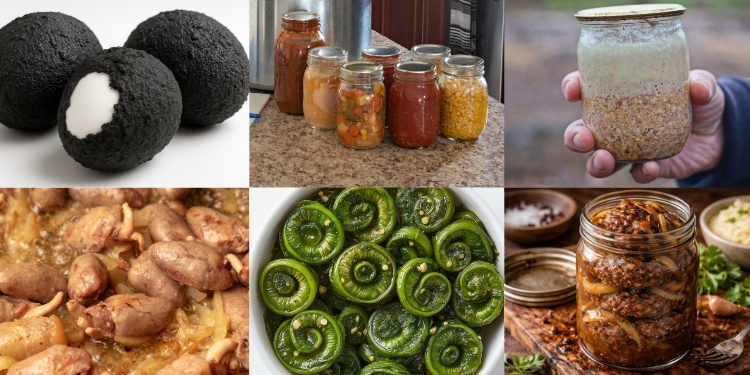
What almost nobody plans for is using fish frames and heads, even though they are often cheap or given away and carry nutrients that grain-based diets lack. Simmered slowly, they produce a broth rich in calcium, collagen, fat, and trace minerals, which can then be reused to cook rice, barley, potatoes, or soups so those foods absorb nutrition instead of just water.
Picked-over meat from the bones can be left in the pot, and the same stock can be stretched across several meals, turning basic starches into sustaining food in a way that was common in earlier hard times but rarely considered today.
Chicken Hearts, Livers, and Gizzards
 When conditions get rough, eating enough does not always mean functioning well. Weakness, poor focus, slow recovery, and frequent illness tend to show up even when meals are regular. Organ meats help prevent that slide because they supply nutrients that cheap, starch-heavy diets miss.
Chicken livers support energy and mental clarity through iron and B vitamins that are hard to replace with dry foods. Hearts contribute minerals and compounds that help with endurance and circulation when physical strain increases.
Gizzards add protein and connective tissue that support joints and digestion during long periods of repetitive eating. Their real advantage is efficiency. Small portions mixed into basic meals correct problems that develop over time, which makes them easier to stretch and use consistently without relying on large servings.
Once cooked, hearts, livers, and gizzards can be stored in a buried fridge or conserved in a can after a secret Amish recipe. This turns a low-cost purchase into steady support across many meals.
Greens That You Might Think Are Useless
During the Great Depression, wild greens were a normal part of everyday cooking, not an emergency measure. Old cookbooks from that period regularly mentioned dandelion greens, lamb’s quarters, and similar plants because they were free, reliable, and filled nutritional gaps when store-bought produce was out of reach. These greens provided vitamins that flour, beans, and potatoes could not, which helped prevent fatigue and illness during long stretches of cheap eating.
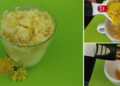
Dandelions were especially common, both the greens and the roots. One example that shows up in Depression-era cooking is this dandelion bread recipe, where chopped greens were mixed into simple dough to add nutrients without adding cost. That kind of bread could be made with basic flour and fat, yet it carried vitamins and minerals that made a real difference over time.
Moreover, dandelions can go beyond nutrition. For example, if you have indigestion, you can make the dandelion and gentian bitter tonic – an easy and powerful recipe inspired by a famous doctor. With only 4 ingredients, you can make sure you have your digestion in check at all times.
Fermented Food That Was Going to Spoil
Fermentation works by using salt and time to stop spoilage, which makes it useful when refrigeration is limited or food is about to be wasted. Chopped vegetables like cabbage, carrots, onions, or wild greens can be fermented with nothing more than salt and a container, keeping costs extremely low while extending their usable life.
Cooked grains or cucumbers that would otherwise be thrown out can also be fermented in small amounts, turning leftovers into food that stretches across several meals and keeps the per-portion cost close to a dollar.
The real value is how fermentation protects money as much as food. It allows cheap ingredients and near-waste to stay usable instead of being replaced, which keeps grocery spending down over time. Also, fermented foods add flavor and improve digestion, making simple meals easier to eat repeatedly without relying on expensive add-ons.
This forgotten fermentation method has always been a hard-times tool rather than a hobby, helping households stay fed without pushing costs beyond what they could afford.
Wheat Berries Instead of Flour
Most people store flour and never think about where it comes from. The truth is, wheat berries last longer, store better, and offer more flexibility, yet they get skipped because they require cooking knowledge.
Once cooked, wheat berries work like a chewy grain that fills the stomach efficiently and blends well with beans or vegetables. Ground when needed or cooked whole, wheat berries allow control over texture and use, which matters when supply options shrink. They also resist spoilage better than processed flour, making them useful for long-term storage.
👉 Check Out the Edible Plant Map For Every U.S. State!
You can turn this into simple $1 meals like a grain-and-bean bowl cooked with salt and oil, a basic vegetable soup using scraps or frozen produce, or a hot breakfast porridge sweetened with a little sugar or honey.
One cup cooks into multiple filling portions, keeping the cost per meal extremely low. It also works well fried with onions, mixed into lentil chili, or served cold with vinegar and oil.
Poor Man’s Steak in a Jar
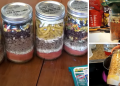
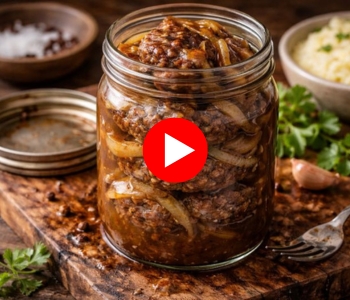 Poor man’s steak works as a system for locking protein into long-term storage at a predictable cost. The method uses ground beef mixed with simple fillers and seasoning, shaped into patties, and pressure canned in jars.
Once sealed, the meat becomes shelf-stable and ready to use without refrigeration, which removes dependence on freezers or electricity.
One common batch produces 142 patties, packed into 28 jars, with each jar covering a full meal at roughly one dollar per serving.
That math is important, because it fixes the cost of meat ahead of time instead of reacting to price spikes later. The patties can be browned, simmered in gravy, or added to potatoes, cabbage, or grains, allowing each jar to stretch further when needed. You can find the complete recipe here.
Cooking Skills Matter More Than Ingredients
You get more out of cheap food when you pay attention to how you handle it rather than what it costs. When you control heat properly, season at the right moment, and give food time to finish and rest, simple ingredients turn into meals you can eat again without forcing yourself. Batch meals work in your favor by cutting fuel use and effort, and letting food sit before eating often improves both taste and how it feels afterward.
Oil plays a bigger role than most people expect, since it helps small portions keep you full longer.
These habits matter most if you build them before you need them. When pressure shows up, you fall back on what feels familiar, not what you meant to learn later. If you already know how to make basic food work for you, eating well during hard stretches becomes routine instead of another problem to solve.
Dollar meals look boring when life is easy. They become priceless when pressure builds. Knowing how to cook cheap, filling food removes fear and reduces dependency on fragile systems. Hard times reward people who learned quietly and early. Food done right keeps everything else from falling apart.
If you’re serious about getting through hard times on real food instead of wishful thinking, this is the natural next step.
A permaculture survival garden turns cheap, simple meals into long-term food security. Once it’s set up, it keeps producing quietly in the background while everyone else is scrambling. No daily chores. No expensive inputs. Just a living system that feeds your family year after year, even when supply chains fail.
My Survival Farm walks you step by step through building a hidden, low-effort food system that works in almost any climate and keeps paying you back with calories, nutrition, and peace of mind. The kind of setup that makes a $1 meal possible today and a full plate possible tomorrow.
👉 Learn how to build your own Survival Farm here
One-time payment. Lifetime access. Food security you can actually control.
You may also like:
 The #1 Item to Scavenge from Supermarkets When SHTF (It’s Not Food)
U.N. Data Reveals that a Super Famine Is Coming (VIDEO)
Prohibition Era Secrets For Hiding Your Stockpile





















I’ll try the Poor Man’s Steak, it looks like something I would eat this sunday
I couldn’t get the link to work to find the recipe. Do you add beef stock to the meat to pressure can it?
Good articles, but you can never click on anything that isn’t selling a book! Do your own research to find the actual recipes, etc.. The info leads to good ideas for prepping meals and so on! Just get tired of the click bait!
OR links selling something other than what the link was about.
DONT give us a link how to make, that leads to where to buy. Just tell us, click here to BUY the answer.
I am already in the practice of DONT CLICK, and after that, I bought the 99 $ “moving storage set “. The first book, 300 pages of how to, and over 40 pages are recipes. Seems they should be in a book titled recipes !