


If you’ve ever picked up a small bag of beef jerky, checked the price, and felt personally attacked, you’re not imagining things. Beef jerky isn’t expensive because companies feel like flexing on you. It’s expensive because it sits at the intersection of meat prices, energy costs, labor, shrinkage, and survival-grade processing. Jerky looks small, but it carries the cost of a much larger piece of beef and a long chain of resources behind it.
What most people don’t realize is that jerky is one of the most “honest” foods on the shelf. There’s nowhere to hide. You’re buying real meat, reduced down to its most durable form, and that concentration comes at a cost.
From a preparedness standpoint, jerky is less of a snack and more of a preserved protein asset. That distinction explains a lot about the price.
It Takes a Lot of Meat to Make a Little Jerky
Beef jerky starts as fresh beef, and beef is already one of the most expensive proteins you can buy. During dehydration, meat loses roughly 60 to 70 percent of its weight as water. That means a single pound of jerky may require close to three pounds of raw beef before trimming and processing even begin.
Once fat, sinew, and unusable portions are removed, the usable yield drops even further. You are paying for what disappears as much as for what remains.
This is why jerky prices feel shocking when compared ounce-for-ounce with fresh meat. Jerky is meat that has already gone through the loss phase before it ever hits the shelf.
Beef Prices Are Already High
Cattle feed costs, land prices, fuel, transportation, and processing regulations all drive beef prices up before jerky is even considered. Droughts reduce pasture quality, grain prices fluctuate, and ranchers feel pressure long before consumers do.
Add in processing bottlenecks and rising wages, and the cost of beef doesn’t just rise, it compounds.
Jerky producers don’t get insulated from this reality. They’re buying into the same stressed system and then adding preservation costs on top of it.
Drying Meat Costs Time and Energy
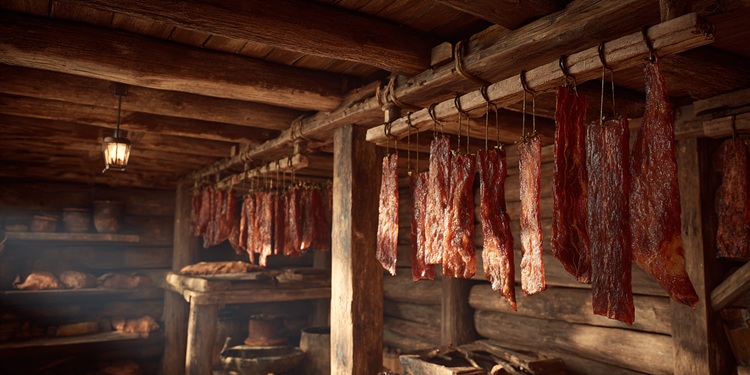
Dehydration isn’t free. Whether it’s done in commercial dehydrators or climate-controlled drying rooms, jerky production requires long hours of heat, airflow, and monitoring. That means electricity, maintenance, and labor running around the clock.
Drying meat too fast ruins texture. Drying it too slow risks spoilage. Precision matters, and precision costs money.
This is one reason jerky prices spike when energy prices rise. You’re paying for controlled stability, not just dried meat.
Labor and Food Safety Requirements
Unlike fresh meat, jerky must meet strict food safety standards to prevent bacterial growth. This includes slicing thickness, internal temperatures, marinating protocols, and post-drying handling.
Every step requires trained labor, inspections, and documentation.
Small producers feel this especially hard. Without massive automation, labor costs get spread across fewer bags, raising the price even more.
Packaging and Shelf Stability Add Cost
Jerky packaging isn’t cosmetic. Oxygen barriers, moisture control, resealable closures, and labeling are all functional necessities.
Each bag is designed to protect the meat from air, light, and humidity for months.
That shelf stability is what allows jerky to sit in a pack, vehicle, or pantry without refrigeration. You’re paying for that insurance.
You’re Paying for Convenience and Portability
Jerky is lightweight, calorie-dense protein that requires no cooking, no refrigeration, and no preparation. That makes it valuable far beyond snack status.
In emergency situations, portability equals survival flexibility.
Convenience always costs more because it saves time, energy, and risk when you need food most.
Marketing and Branding Inflate the Price
Not all jerky prices are driven by necessity. Some are driven by branding. Fancy packaging, influencer campaigns, and “exotic” flavor profiles add cost without adding nutrition.
Sugar-loaded marinades and gimmick labels often hide lower-quality meat behind a premium price tag.
Learning to read past marketing saves money and improves preparedness.
Why Homemade Jerky Is Cheaper Long-Term
Making jerky at home changes everything. Buying meat in bulk, slicing it yourself, and drying it under controlled conditions drops the cost per ounce dramatically.
You also control salt, sugar, and preservatives.
More importantly, you gain a preservation skill that works without modern supply chains.
Final Thoughts
Beef jerky is expensive because it’s real food that’s been concentrated, preserved, and stabilized in an era of rising costs.
It’s not overpriced junk. It’s compact protein designed to survive time and neglect.
Once you understand that, the price tag stops feeling insane and starts feeling logical.
Learn How the Amish Preserved Meat Without Paying Premium Prices
Long before beef jerky became a $10 snack, Amish families were preserving meat as a necessity, not a luxury. They didn’t rely on branding, industrial systems, or fragile supply chains. They relied on knowledge, discipline, and simple tools. The Amish Ways Book reveals how and why these methods worked so well — and why they still matter today.
Inside the book, you’ll discover:
- How Amish communities preserved meat efficiently without modern dehydration systems
- Why drying, curing, and smoking were everyday survival skills, not specialty foods
- How preserving meat reduced dependence on markets and protected families during hard seasons
- Practical self-reliance principles that keep food costs low and nutrition high
- The mindset shift that turns food from a purchase into a resource
If beef jerky prices made you pause, The Amish Ways Book shows you the deeper lesson behind it: food security comes from skills, not shelves. Learning how traditional communities preserved meat explains not just why jerky is expensive, but how you can stop being dependent on it altogether.
You may also like:

What Amish Would Never Store in Their Pantry, but Most Americans Do! (Video)
Stop Ignoring These Long-Lasting Protein Sources
These Items Will Make You Rich Post-SHTF
Pemmican: The Ancient Superfood Every Prepper Should Know