
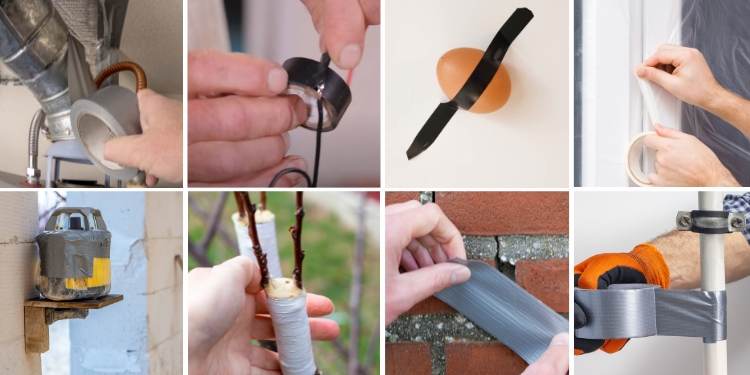


When most people think about duct tape, they picture quick household fixes. Maybe you’ve used it to patch something in the garage, seal a torn tarp, or hold together a broken handle for a while. But when SHTF, duct tape becomes something much bigger than a simple repair tool.
In a real emergency, when help is far away and you have to rely on what you already have, duct tape turns into one of the most valuable items you can own. It’s lightweight, cheap, easy to store, and useful in ways most people never think about until it’s too late.
Preppers talk a lot about food, water, and ammo, and those are all critical. But the small items, the ones that solve everyday survival problems, can make the difference between struggling and staying in control. Duct tape is one of those items.
11. Emergency Wound Protection
In a perfect world, you’d always have clean gauze, medical wraps, and bandages ready to go. But in a long-term crisis, medical supplies run out faster than you expect.
Duct tape can help in these situations because it can hold a quick bandage in place when you have nothing else. If you have cloth, gauze, or even a clean piece of a shirt, you can use duct tape to keep it firmly over a wound. This helps keep dirt out and slow bleeding until you can get proper medical care.
The Dangerous Connection Between Organized Crime and the Medicine Supply Chain
It can also be used to reinforce wraps on sprains or injuries when you need extra stability. The key is to never place duct tape directly on an open wound, but as an outer layer to hold protection in place, it becomes surprisingly useful.
10. Fixing Broken Shoes and Boots in the Field
 Footwear is one of the most overlooked survival priorities. People store food for years but forget that without good boots, you may not be able to travel, work, or even defend your property.
When SHTF, you might not be able to replace shoes easily. A torn sole, a broken strap, or a split boot can become a serious problem.
Duct tape can temporarily repair footwear by holding soles together, wrapping around torn areas, or reinforcing weak spots.
It won’t last forever, but it can keep you moving long enough to reach safety or finish an urgent task. Many soldiers have used duct tape this way in real conditions, and it’s one of the simplest field repairs you can make.
9. Making a Quick Water Container or Patch
Clean water is everything. But when a water jug cracks or your rain catchment starts dripping, things can go downhill fast.
Duct tape can seal small splits in plastic containers and tighten up weak seams on makeshift carriers long enough to keep you going. It’s not a permanent fix for drinking water storage, but it can buy you valuable time when you need to haul or collect water in a hurry.
Of course, quick patches only go so far. Having a solid long-term setup like the Aqua Tower makes a big difference, since you’re not scrambling every time something leaks. Still, in a pinch, a roll of duct tape can keep a small problem from turning into a disaster.
8. Repairing Torn Clothing and Gear
7. Creating Rope, Straps, or Strong Bindings
Duct tape is surprisingly strong when you twist it into cords. If you don’t have rope, paracord, or straps handy, you can tear it into long strips and braid or twist them together to make a tough binding for tying down gear, securing loads, or even helping build a quick shelter.
You can also form simple knots with it in a pinch, including a basic loop or even something like a butterfly-style knot for creating a secure tie point. Duct tape strips can double as quick straps too, perfect for carrying firewood bundles or fastening extra items to your pack when you’re short on supplies.
If you want to know the knots that actually make a difference when things get real, click here and learn them the right way.
6. Improvised Pest and Insect Control
 Insects and rodents don’t just make life uncomfortable – they can ruin stored supplies, contaminate your pantry, and spread illness when sanitation breaks down.
Duct tape can work as a quick sticky trap by laying strips (sticky side up) along baseboards, near entry points, or around food storage areas to catch crawling insects.
You can also use it to seal gaps and small holes where mice or bugs are getting in, especially if you pack the space with steel wool first.
It’s a cheap, simple fix that can help protect your supplies when you can’t afford an infestation.
5. Building a Temporary Splint or Support
Injury is one of the biggest threats during emergencies. A broken wrist, twisted ankle, or damaged arm can take someone out of action immediately. Duct tape can help create a splint by securing sticks, boards, or firm materials around an injured limb.
It can also reinforce joints or support weak areas during travel. This is especially important if medical help is unavailable and you need to stabilize someone until you can reach proper care.
Before you ever find yourself in that kind of situation, put together this DIY Dollar Store First Aid Kit (that includes duct tape as well). I have 2 at home and most of the things in there never expire.
4. Holding Tools Together When Repairs Are Impossible
 If an axe handle starts to crack, wrap duct tape tightly around the damaged area. Start a few inches below the crack, overlap each layer as you work upward, and keep wrapping until you cover a few inches above the damage.
This helps hold the handle together and keeps the crack from spreading while you finish the job.
If a shovel or tool head feels loose, wrap duct tape around the joint where the handle meets the metal. Pull the tape tight and build up several layers to reduce movement and add extra support.
To improve grip on a slippery handle, spiral-wrap duct tape around the part you hold most. For better traction, you can twist the tape slightly or add a second layer with small ridges instead of wrapping it perfectly smooth.
3. Marking Trails, Gear, or Safe Zones
In chaotic conditions, staying organized can be just as important as finding food or shelter. When you’re moving through the woods, working with others, or trying to keep track of camp supplies, it’s easy to lose your bearings or waste time searching for equipment.
Dr. Nicole Apelian, a herbalist and survival expert featured in Wilderness Survival Guide, often stresses that simple tools become incredibly valuable when resources are limited.
That’s where duct tape comes in. You can tear off strips and wrap them around tree branches, fences, or trail points to mark important locations like your campsite, a water source, or a safe route back. Bright tape can also be wrapped around gear handles to quickly identify your tools, label containers, or warn others about hazards nearby.
2. Sealing Windows and Doors Against Cold or Smoke
If the power goes out in winter, staying warm becomes urgent. Drafts around windows and doors can drop indoor temperatures quickly, forcing you to burn more firewood or waste precious fuel.
But if you have duct tape around, you will be able to seal cracks and gaps fast. This simple object can hold plastic sheeting over windows, block airflow, and help keep heat inside.
The same idea applies during wildfires or heavy smoke events. If smoke is getting into your home, duct tape and plastic can help create a temporary barrier until the air clears.
1. Improvised Self-Defense and Restraint Uses
 This is one of the more serious uses, but in a breakdown scenario, personal security becomes real.
When police response is delayed, power is out, or repairs aren’t possible, even small tools can help you reinforce your space and stay in control of your environment.
Duct tape isn’t a weapon, but it is a fast, practical way to stabilize weak points, secure temporary barriers, and prevent small problems from turning into bigger ones.
Here are a few realistic ways duct tape can help during an emergency:
- Reinforce weak doors by wrapping tape tightly around cracked panels or loose frames to reduce shifting.
- Secure temporary window coverings like plastic sheeting or tarps to block visibility, wind, or debris.
- Hold loose locks, hinges, or latches in place until you can make proper repairs.
- Bundle and organize supplies quietly to prevent clutter, noise, or misplaced gear during stressful moments.
- Mark off unsafe or restricted areas so family members know where not to go.
How to Choose the Best Duct Tape for Your Survival Kit
You need tape that sticks fast, holds strong, and won’t peel off in cold, rain, or rough conditions. Cheap rolls often fail when you need them most, so it’s worth picking a durable, all-weather option.
Look for duct tape with a reinforced cloth backing and strong adhesive, since these handle heavy repairs like patching gear, reinforcing tool handles, or sealing shelter materials. A roll that tears cleanly by hand is also important when you don’t have scissors or a knife nearby.
A few quick things to check before adding one to your kit:
-
Strong, weather-resistant adhesive.
-
Thick, reinforced backing for tough repairs.
-
Easy to tear by hand in the field.
-
Bright color option for marking trails or hazards.
The right duct tape is more than a repair tool. It’s one of the 40 basic items you should always keep in your stockpile. See the full must-have list here.
You may also like:
 Items People Would Kill for in a Crisis
Most Preppers Fail This Stockpile Challenge. Are You One of Them? (VIDEO)
The Most Overlooked Medical Supplies You Need