


Most people use “Mennonite” and “Amish” like they mean the same thing. They don’t.
Yes, both groups share Anabaptist roots. Yes, both value faith, community, humility, and a simpler way of life. But when you look closer, the differences are real, practical, and surprisingly important, especially if you’re a prepper studying resilient communities.
This guide breaks down Mennonite vs Amish in a clear, thorough way, without myths or Hollywood nonsense.
Quick Overview
Amish communities are generally more separated from modern society, with stricter rules around technology, dress, and cultural influence.
Mennonite communities vary widely. Some live very traditionally. Others drive cars, use modern tools, and look like any other rural family, while still keeping strong faith and community values.
Think of it like this:
Amish tends to be a stricter “closed” lifestyle. Mennonite can range from “very traditional” to “modern but values-centered.”
Shared Roots: Why They’re Often Confused
Both Amish and Mennonites come from the Anabaptist movement that began during the Protestant Reformation. Anabaptists emphasized:
- Adult baptism by choice (not infant baptism)
- Nonviolence and peacemaking
- Community discipline and accountability
- A simpler life focused on faith, not status
The Amish split from the Mennonites in the late 1600s due to disagreements about discipline and how separate believers should remain from the outside world. That split still shapes their lifestyles today.
Mennonite vs Amish: Key Differences That Matter
1) Technology and Electricity
This is the big one everyone asks about.
Amish:
Most Amish groups do not use grid electricity in the home. Many avoid modern conveniences that connect them too closely to the outside world. However, Amish rules vary by community, and some will allow limited technology for work purposes under strict guidelines.
Mennonite:
Many Mennonites use electricity, phones, and modern appliances. Some groups are extremely traditional and may restrict technology similarly to Amish, but many are “in the world, not of it” and focus more on values than separation.
Prepper takeaway: Amish-style living proves you can function without the grid. Mennonite-style living often shows how to blend modern tools with strong community resilience.
2) Transportation: Buggy vs Car
Amish:
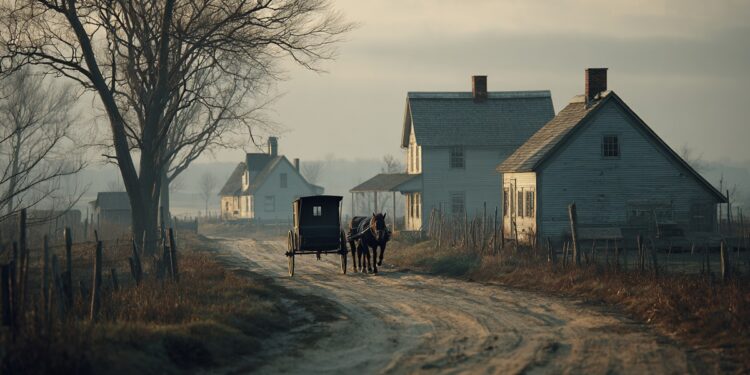
Horse-and-buggy is common. Bicycles and scooters may be used depending on the community. Cars are usually not owned or driven.
Mennonite:
Many Mennonites drive cars and trucks. More traditional Mennonites may use buggies, but cars are far more common in Mennonite groups overall.
Prepper takeaway: Cars are a strength until they’re a weakness. Fuel shortages and grid disruptions hit car-dependent lifestyles hard. The Amish model is built around local living.
3) Clothing and Appearance
Amish:
Plain dress is standard, often with specific colors and cuts. Men typically wear beards after marriage but no mustaches in many communities. Women usually wear head coverings.
Mennonite:
It depends. Some dress plainly with head coverings, while others dress like mainstream society. Conservative Mennonites often look similar to Amish at a glance. More progressive Mennonites may not.
Prepper takeaway: Plain dress isn’t about aesthetics. It’s about humility, reducing consumer pressure, and keeping priorities straight.
4) Language: Pennsylvania Dutch vs English
Amish:
Many speak Pennsylvania Dutch at home and in community life, with English used for business and outsiders.
Mennonite:
Many speak English primarily. Some communities speak Pennsylvania Dutch or German dialects, especially more traditional groups.
Prepper takeaway: Language strengthens in-group cohesion. Tight communication and shared identity matter when society gets unstable.
5) Church Structure and Community Rules
Amish:
The Amish follow the Ordnung, an unwritten set of rules that guides daily life. It governs dress, technology, behavior, and community expectations. The Ordnung varies by district.
Mennonite:
Mennonites have a wider variety of church structures. Some are strict, some are flexible. Rules are often more formally written, and there’s generally more individual variation.
Prepper takeaway: The Ordnung is basically a functioning “operating system” for community survival. It creates predictable behavior, shared standards, and stability.
6) Education
Amish:
Many Amish end formal schooling at 8th grade. Education focuses on practical skills, community life, and faith.
Mennonite:
Ranges widely. Some stop at 8th grade like the Amish, while others attend high school and college.
Prepper takeaway: Formal education is useful, but practical skills are survival currency. Both groups tend to produce people who can fix, build, grow, and work.
7) Work, Trades, and Economic Life
Amish:
Farming is common, but many Amish also run small businesses: woodworking, construction, metalwork, quilting, food products, and more. They often rely on community networks and cash businesses.
Mennonite:
Mennonites can be farmers, tradespeople, business owners, nurses, teachers, and more. There’s wider integration into mainstream jobs.
Prepper takeaway: Both groups show the power of trade skills, local commerce, and community-based work. The Amish especially prove how far low-tech can go when paired with skill.
8) Relationship With Outsiders
Amish:
More separation. Interaction happens for business and necessary services, but they intentionally resist cultural blending.
Mennonite:
More engagement overall. Many Mennonites actively participate in broader society while holding their beliefs.
Prepper takeaway: In a crisis, isolation can protect you, but connection can supply you. The best approach depends on the threat.
Are All Amish the Same? Are All Mennonites the Same?
No, and this is where people get misled.
Amish communities vary by district. Some are stricter, some allow more modern equipment for work, some permit phones in specific locations, and some are more restrictive.
Mennonite communities vary even more, ranging from very conservative plain groups to modern congregations that look like typical churches.
If you’re trying to understand “which one,” always remember: it depends on the community.
Mennonite vs Amish: Who Is More Prepared for Hard Times?
If we’re talking about a long-term grid failure, Amish communities often have built-in advantages:
- Experience living without grid electricity
- Local food and preservation skills
- Trades, repair culture, and reuse mindset
- Strong mutual aid and community discipline
- Low dependence on modern systems
But Mennonite communities can be extremely resilient too, especially conservative ones, and they may have advantages like:
- Better access to modern medical care
- More interaction with suppliers and services
- Greater flexibility using both modern tools and traditional skills
Truth is, both groups can be far more prepared than the average modern household because they prioritize:
- Skills over convenience
- community over individualism
- preparedness as a lifestyle, not a weekend hobby
What Preppers Can Learn From Both
Here are the lessons that matter:
- Community beats lone-wolf fantasy. Mutual aid keeps people alive.
- Skills are wealth. If you can grow, fix, build, stitch, cook, preserve, and repair, you’re valuable in any economy.
- Simple systems fail less. Low-tech solutions often outlast high-tech ones.
- Routine matters. Strong habits create stability under stress.
- Humility is strength. When ego is removed, cooperation becomes easier.
This is the real reason preppers study these communities. Not to imitate everything, but to borrow what works.
Want the Amish Skills That Actually Matter?
If you’re serious about preparedness, don’t just study the Amish lifestyle from the outside. Learn the practical methods that make it work.
The Amish Ways book is a deep, hands-on guide to the skills and routines that keep Amish families stable through hard seasons, shortages, and uncertainty. It’s not theory. It’s the kind of old-world knowledge that turns “I hope” into “I’m ready.”
Inside, you’ll learn skills that directly translate to survival and self-reliance, like:
- Food preservation methods that don’t depend on modern appliances
- Old-school cooking techniques and pantry systems
- Simple home solutions for warmth, light, and daily living
- Practical homestead routines that save time, money, and resources
- Self-sufficiency habits that make shortages manageable
- Mindset and community principles that keep people strong under pressure
If the grid fails, inflation spikes, or supply chains break again, the people who do best won’t be the ones with the most gadgets. They’ll be the ones with the most usable skills.
Get the Amish Ways book and start building the kind of preparedness that lasts.
You may also like:

The US Army’s Forgotten Food Miracle (Video)
Amish Cinnamon Bread: Friendship Recipe