

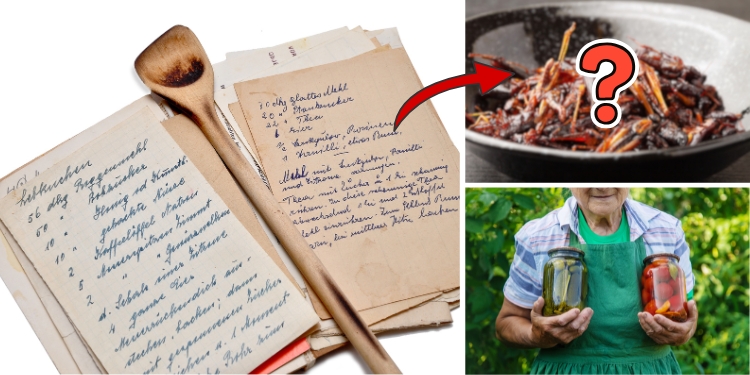


The cookbook surfaced during a routine cleanout of old storage boxes that had been moved from house to house for decades without much attention. Most of the items inside had little value beyond family sentiment. Paperwork from another era, worn-out tools, and containers holding things no one could identify anymore.
At the bottom of one box was a thin notebook wrapped in an old dish towel. The cover had no title and no decoration. Inside the front page was my grandmother’s name and a date written in pencil from the early 1930s. The pages were fragile, stained, and uneven, filled with handwriting that had been corrected and rewritten over time.
This wasn’t a cookbook meant to be shared, but the kind you write when you need the information again soon. It came from a time when take-our orders and eating out were not available options.
A Time When Waste Was Not an Option
The cookbook was handwritten, stained, and clearly used on a daily basis. Pages were dog-eared, margins were filled with notes, and some recipes were crossed out entirely, likely because they did not work well enough to justify the ingredients. Even if it seems so, nothing about it was sentimental. It was a practical tool for survival.
👉 How to Avoid Ending Up in the Poor House During the Next Great Depression
As you would expect, there were no introductions explaining the Great Depression. The assumption was that the reader already understood the stakes. Every recipe and note focused on stretching food, conserving fuel, and avoiding waste. Ingredients were reused, cooking water was saved, and leftovers were treated as the foundation for future meals, not an afterthought.
Modern prepping discussions often focus on what to buy. This cookbook focused on what to do after the buying stops.
How Scarcity Shaped an Entire Way of Cooking
 Reading through the pages, a pattern emerged that had nothing to do with taste preferences. Meals were designed around availability, not desire.
If flour was low, it was cut with mashed vegetables. If fat was scarce, it was reused carefully and stored properly. Meat appeared rarely and never dominated a meal.
This kind of cooking required planning several days ahead, because one decision affected everything that followed. Using too much lard on Monday meant dry bread later in the week.
Wasting broth meant weaker meals tomorrow. That level of awareness is something many modern households have lost, even those who consider themselves prepared.
The cookbook showed how scarcity changes priorities, and how discipline becomes a survival skill.
The Political Reality Behind Self-Reliance
The cookbook never mentioned government, elections, or leaders, but the mindset behind it reflects a deeply American belief that families must be ready to take care of themselves first. During the Great Depression, trust in systems was low, not because of ideology, but because people learned firsthand that help often arrived late or not at all.
👉 This Invisible Threat Could Collapse America in Less than 5 Minutes
That attitude resurfaces whenever Americans feel uncertain about the future. In recent years, especially during Donald Trump’s presidency, discussions around self-reliance, food independence, and preparedness became more common among conservative households. Whether people supported his policies or not, the broader conversation reminded many that resilience does not come from promises, but from preparation.
My grandmother did not wait for solutions. Instead, she adapted. That lesson remains relevant regardless of politics.
The Great Depression Recipes That Tell the Whole Story
This cookbook included dozens of recipes, but two stood out because they represent opposite ends of Depression-era cooking. One is well-known and remembered. The other is almost forgotten today, even though it was common back then.
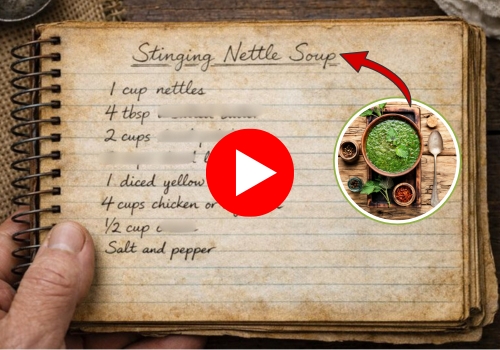
Stingy Nettle Soup
I almost skipped this page. It was wedged between notes about saving potato water and a reminder to never throw out onion skins. The title just said Nettle Soup, written in pencil and underlined once, like it mattered.
I’ll be honest – I didn’t expect much. Boiled weeds don’t sound like comfort food. But after making it once, I understood why it stayed in the book. This soup is simple, filling, and somehow far better than it has any right to be. Grandma would have liked that I was surprised.
Grandma’s cookbook also included notes on different types of nettles, how to prepare them safely, and small ways to make them taste better. This interesting secret makes them more nutritious and less stingy. Find out how in this video:
Ingredients:
(For the exact amounts, click here!)
- A large bowl of fresh young nettles
- Water, enough to cover
- One small onion (or half, if that’s all there is)
- One potato, diced small (optional, but it makes it more filling)
- Salt
- A spoon of saved fat or butter, if you have it
How to make it:
- Pick young nettles if possible. Wear gloves. Rinse them well and remove thick stems.
- Bring a pot of water to a boil and drop the nettles in. Boil for a few minutes until they wilt and lose their sting. This water is good – don’t waste it.
- Add the onion and potato to the pot. Lower the heat and let everything simmer until the potato is soft and the broth turns green and fragrant.
- If you have saved fat, add a spoon near the end. Salt to taste. Stir gently and let it rest a moment before serving.
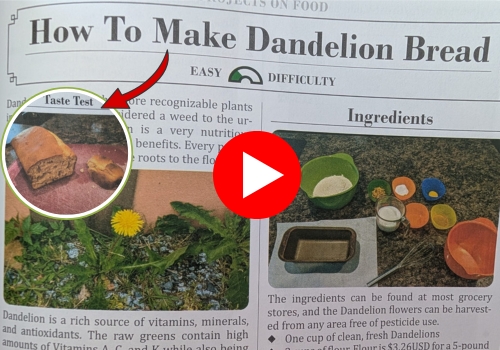
Dandelion Bread
Dandelion Bread sounded like something you make once out of curiosity and never again. It didn’t sound practical or enjoyable, just clever on paper. The kind of recipe you respect more than you like.
Then I tried it. The flavor caught me off guard. Earthy, slightly bitter, and strangely satisfying. It felt like real food, the kind of bread you eat slowly without thinking about why it works – it just does.
What I love about this recipe is how normal it feels once it’s on the table. Dandelions are everywhere, dependable, and free. Using them this way doesn’t feel extreme or desperate.
After testing it myself, I published this recipe here. It went on to become one of the most popular recipes in the book:
You Won’t Believe What Was Actually in This Cookbook
These are the parts that genuinely surprised me, even after years of writing about survival and food shortages. I thought I knew what kind of book this was when I opened it, but that confidence didn’t last very long.
The Line Between Cooking and Survival
There were recipes specifically labeled for times when there was no flour, no sugar, no meat, and sometimes even no dairy. Completely without those ingredients.
One section described meals made almost entirely from boiled weeds, ground seed husks, and starch scraped from soaked grains after repeated reuse. One page explained how to make a filling meal using nothing but water, salt, and starch extracted from potatoes that were already starting to spoil. Another described stretching a single onion across several days by boiling it whole, removing it, and reusing the flavored water repeatedly.
👉Let’s Make This Survival Recipe – Pressure Canned Chicken
But what really caught my attention was this stew recipe that had grasshoppers as the main ingredient. The insects were cleaned, chopped, and cooked down the same way you would any other protein, because that’s exactly how people treated them at the time.
During the Dust Bowl era, crops were wiped out by drought, dust storms, and locust swarms, and when the fields were destroyed, people didn’t have the luxury of refusing food. In many places, eating the insects that ruined the harvest was a way to survive and reduce the damage at the same time.
That was the moment I realized this was more than a cookbook – it became a survival manual written by someone who lived through true scarcity and expected it could happen again.
The Recipes that Surprised Me Most
Tucked between recipes for thin soups and reused starches were a few pages that didn’t belong to cooking at all. They were remedies.
There weren’t many of them, and they weren’t separated or labeled as something special. They were written the same way as everything else in the book – short, direct, and without explanation.
One of them was what Grandma simply called her “antibiotic.” I remember stopping on that page because of the ingredient. Just one. Something so ordinary I had to read the line twice to be sure I hadn’t misunderstood it. It wasn’t rare or hard to find, and it didn’t require anything you’d need to buy.
Once you see the ingredients, you will understand why this recipe was such a staple of the Great Depression:
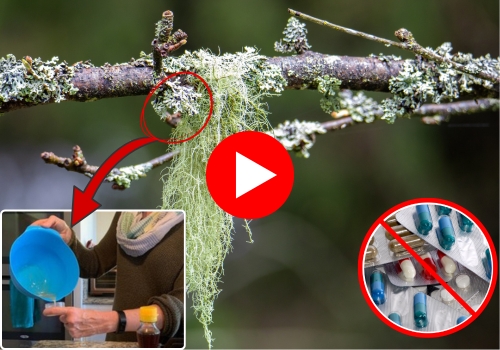 But one recipe that I kept and tried was a cough syrup. It was labeled Cowboy Cough Syrup. I first tried it on myself, and later on my kids. It worked well enough that I kept the page marked long after I finished reading the book.
There was nothing dramatic about it. It was meant to soothe, to help you sleep, and to get you through the worst part of being sick when nothing else was available. That alone says a lot about the world this cookbook came from. I later published Cowboy Cough Syrup in Forgotten Home Apothecary, because some things are too useful to stay hidden in a box.
Food Storage During the Great Depression
There were constant reminders to inspect stored food regularly, because losing a jar to spoilage could mean losing several meals. This level of vigilance is rarely practiced today, but it’s similar to the way the Amish live.
So, during those times, food was stored carefully, using some smart methods that are little known today:
-
Root cellars were used year-round, not just for winter. Vegetables were kept separated so one spoiled item wouldn’t spread rot to the rest.
-
Cool closets and unheated rooms were used as pantries, especially on the north side of the house where temperatures stayed lower.
-
Buried barrel refrigerators were common, even during the summer. By using the earth’s stable underground temperature, they could maintain a steady range of about 55–60°F.
-
Food was rotated constantly. Anything softening or bruising was used first.
-
Apples were wrapped individually in paper to prevent them from touching, since one bad apple could spoil an entire barrel.
-
Onions were hung in bunches or mesh, kept dry and off the floor so air could circulate and prevent mold.
-
Potatoes were stored in darkness, covered loosely to block light but allow air flow, which slowed sprouting.
The Great Depression caught many people off-guard. And when the next long-term crisis hits, it will catch most people the exact same way.
Shortages don’t announce themselves. Supply chains don’t warn you before they break. And when panic sets in, money alone won’t put food on your table.
But think about this for a second…
If you can grow your own food, make your own staples, and quietly stockpile from surplus, you’re no longer living in scarcity. You’re living in freedom.
While others depend on empty shelves and government handouts, you’ll have calories, nutrition, clean water, and peace of mind, right outside your door.
That’s exactly why we created Autopilot Homestead.
We tested it. We fixed what didn’t work. And only then did we turn it into the perfect step-by-step system – built specifically for you – so your homestead can produce food year after year with less effort and less stress.
If you get this book NOW, you’ll also receive four practical books designed to help you apply everything from the main course quickly and effectively. On top of that, you’ll get step-by-step videos that walk you through essential skills like making hardtack and pemmican, along with a wide range of hands-on DIY homesteading projects:
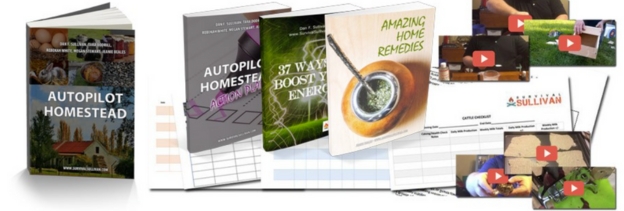
The best part? This project can be implemented in only 60 days and it will change the prepping game forever!
What Can You Learn From This Today
What this cookbook makes painfully clear is that owning supplies is not the same as knowing how to survive with them. My grandmother practiced these methods daily. She did not read about them. She actually lived them on a daily basis. Many modern households have never tried cooking without refrigeration, without fresh ingredients, or without store-bought staples. That gap between theory and experience can be dangerous during real emergencies.
You may also like:
 How Did People Survive the Wilderness Road?
The Silent Death Wave that Could Send Us Back To The Dark Ages (VIDEO)








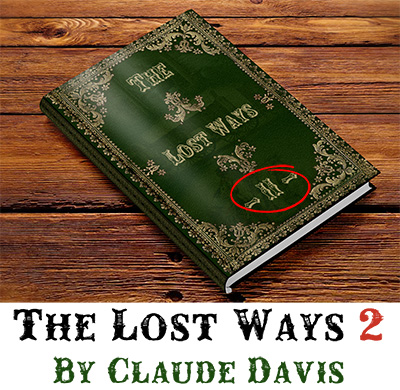










My grandmother’s cook book- A bound edition of Joy of Cooking (yes the same one you can still buy somewhere) – dated 1931 has a recipe for WHALE.
There are others that have ingredients we would no longer eat, but that one stands out.
I have an antique cookbook with a recipe for turtle soup that starts with how to clean the turtle.
I love that book. It’s one of those staples that feels like it was in everyone’s kitchen, and every copy seems to have its own stories tucked inside.
It’s good to know, I’m not alone! When given my grandmother’s cookbook, it fell apart and disintegrated into pieces as I turned each page. It was a simple small marble notebook and all of the entries she made were written in script and in pencil.
The entries were more like notations than detailed recipes. Most of the recipes in the book were just a list of ingredients, with no measurements, no method, and no instructions! That information was all tucked a way in her head and there was no need to write it all down for posterity as she simply made adjustments as she went along in the kitchen for the availability of the ingredients needed, and how many were to be seated at the table.
It may have been impossible to save the book, but the memory of the dishes she created from it will last a life-time.
That’s a great story. It really shows how people used to cook by feel and experience, not instructions. Even if the book didn’t last, the knowledge clearly did.
Depression era ODD recipes ? ? ?
Nettle soup, dandelion bread, I wont be making those this week !
But, I think I might want those recipes some day. maybe.
Here is my thought, I would eat the other items needed for all these recipes, other ways, before eating nettles. That made me realize, what we need to do, is stretch the food items we have, before they run out. Dont eat all the pork and say well that was dinner and now we have no food, STRETCH it while you have some left, in unconventional ways. learn what nature has deposited in your area and figure out how to use it with pantry items to go farther.
I almost never see any mention of HUNTING, except the assumption that they will all be eaten up in a few days, so dont count on that. Simply not true, unless you live in the middle of a city. IF you do, your only prepping for an ice storm ( not SHTF). if you think a 3 day ice storm is SHTF, then your not prepped for ANYTHING. If you live rural or at the edge of rural, you can HUNT and gather, and thats a lot of food ! but you better practice those skills and have that knowledge. And remember, the standard rules are out the window in a TRUE SHTF situation. A 50 lb bag of rice will get you thru a week without any other groceries. Your kitchen cupboards should feed you for a week, without touching prepp supply’s. Dandelions, you pay extra for them in a nice restaurant, in your salad, but did you realize that ? If times are tough, better get a lot from the back yard and stretch that salad !
Today, we have more credit card debt than during the Great Depression. If a similar situation were to occur, I don’t know if we would fare worse than our ancestors, because we lack the practical skills and knowledge they possessed!
grand pappy
you are SO RIGHT
As a society, we dont have what it takes. Look at how high school students act today, they cant survive on less than 30 k a year, for THEM. I work close enough to them to see, in an area that is mostly “lower income”. these families WASTE more than I earn. Read the constitution, evidently, its a God given right to go OUT to dinner Friday night. Just look at a teen in McD’s , expensive MEAL choice, then an extra this and extra that, then more than half goes in the trash can. Just cant consider a couple value items and call it a meal for 6 or 7 bucks. They waste 20 bucks, and don’t even notice.
Bad things happen, WE learn to cope, they do stupid things because they CANT cope.