
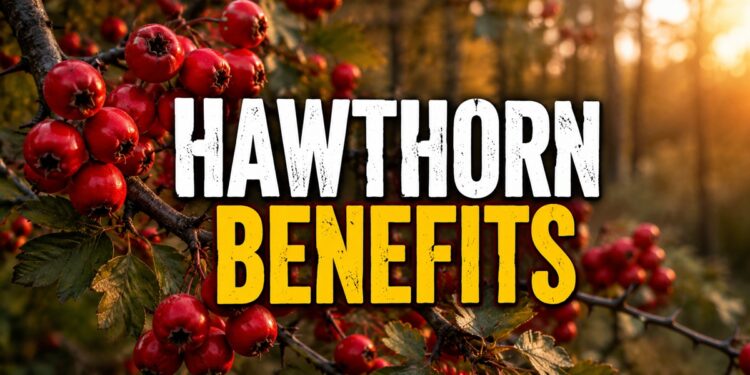


Most people walk past hawthorn without a second glance. They see a thorny shrub with small red berries and keep moving. That is a mistake. Hawthorn is one of the most well-researched medicinal plants in the world, with a long track record in both traditional herbalism and modern clinical studies. If you are serious about long-term preparedness, this plant belongs in your knowledge base and ideally in your yard or bug-out location.
Hawthorn (Crataegus monogyna and related species) has been used for centuries across Europe, Asia, and North America. Herbalists valued it. Soldiers carried it. Rural communities planted it as living fences because it was both useful and nearly impenetrable. Today, researchers are confirming what traditional practitioners long suspected: hawthorn has real, measurable benefits for cardiovascular health, stress response, and more.
Here is what the plant does, why it matters to preppers specifically, and how to use it when it counts.
What Is Hawthorn?
Hawthorn is a thorny tree or shrub in the rose family. There are dozens of species, but the ones most commonly used medicinally are Crataegus monogyna, Crataegus laevigata, and Crataegus oxyacantha. All three share similar compounds and similar uses. The berries (called haws), leaves, and flowers are all medicinal.
The plant grows across temperate climates worldwide. It is drought-tolerant, cold-hardy, and thrives in disturbed areas, forest edges, and hedgerows. Once established, it requires almost no maintenance. In a grid-down or long-term survival scenario, that matters.
The active compounds in hawthorn include oligomeric proanthocyanidins (OPCs), flavonoids like vitexin and hyperoside, and triterpene acids. These work together to produce effects that are difficult to replicate with a single pharmaceutical compound. According to the National Institutes of Health, hawthorn has been the subject of numerous clinical studies, particularly for its effects on the cardiovascular system.
Hawthorn and Heart Health
The most well-documented hawthorn benefit is cardiovascular support. This is not folk medicine speculation. Multiple controlled studies have shown that hawthorn extract improves several markers of heart function, particularly in people with mild to moderate heart failure and hypertension.
Hawthorn works on the heart through several mechanisms at once. It dilates coronary blood vessels, which improves blood flow to the heart muscle itself. It has a mild positive inotropic effect, meaning it helps the heart contract more efficiently. It also reduces peripheral vascular resistance, which lowers blood pressure without the harsh side effects of pharmaceutical antihypertensives.
For preppers, this is critical information. In a prolonged emergency, access to blood pressure medications and other cardiovascular drugs may be cut off completely. People who are currently managing hypertension or early heart failure with pharmaceuticals need a viable alternative or adjunct. Hawthorn is one of the most credible options available from the plant world.
Research published in The Cochrane Database of Systematic Reviews analyzed multiple randomized controlled trials on hawthorn extract for chronic heart failure and found consistent evidence of improved exercise tolerance and reduced symptoms including breathlessness and fatigue. These are not minor quality-of-life improvements. In a survival context, the difference between functional and non-functional can determine whether someone makes it through.
Blood Pressure Regulation
High blood pressure is one of the most common chronic conditions in the developed world, and it is one of the most dangerous to go unmanaged during an emergency. Hawthorn has demonstrated consistent blood pressure-lowering effects in both animal models and human trials.
The mechanism is twofold. First, hawthorn acts as a mild ACE inhibitor, reducing the production of angiotensin II, which is a potent vasoconstrictor. Second, it has direct vasodilatory effects on peripheral blood vessels, reducing the resistance the heart has to pump against. Both effects together produce a measurable reduction in systolic and diastolic blood pressure over time.
This is not an emergency medication. Hawthorn works over weeks and months with consistent use. It will not lower a hypertensive crisis acutely the way a fast-acting pharmaceutical will. But for ongoing management and prevention, it is a genuinely useful tool that can be grown, harvested, and prepared without any outside supply chain.
Related: Sour Tea Helps You Avoid High Blood Pressure
Antioxidant Activity
Hawthorn berries and leaves are exceptionally high in antioxidant compounds, particularly the OPCs mentioned earlier. These compounds neutralize free radicals, which are unstable molecules that cause cellular damage over time and contribute to cardiovascular disease, inflammation, and accelerated aging.
In a survival situation, oxidative stress increases dramatically. Physical exertion, poor diet, contaminated water, psychological stress, and exposure to environmental toxins all spike free radical production. Having a regular source of potent antioxidants in your diet and medicine kit is not optional if you are planning for extended operations.
Hawthorn berries can be eaten raw, dried, made into tea, or preserved as jam or tincture. All of these methods retain significant antioxidant activity. Fresh berries are highest in active compounds, but dried berries and alcohol-based tinctures remain effective for months to years if stored properly. Research from the USDA Agricultural Research Service has documented the high polyphenol content of hawthorn berries compared to many commercially grown fruits.
Related: Here’s How To Grow Food Without Land
Digestive Support
Traditional herbalists across cultures used hawthorn for digestive complaints long before anyone understood its cardiovascular effects. The berries and leaves contain tannins and bitters that tone the digestive tract, reduce intestinal inflammation, and support healthy gut motility.
This is relevant to preppers for a specific reason. Dietary disruption during emergencies, whether from eating unfamiliar foods, consuming stored rations with low fiber content, or dealing with stress-induced gut dysfunction, frequently causes digestive problems. Diarrhea, constipation, and cramping are not minor inconveniences in a grid-down scenario. They drain energy, deplete electrolytes, and compromise operational capacity.
Hawthorn berry tea made from dried or fresh berries is a practical digestive remedy that can be prepared with nothing more than hot water. A small amount of dried hawthorn in your kit takes up almost no space and provides functional value across multiple body systems simultaneously.
Stress and Anxiety Reduction
One of the less-publicized hawthorn benefits is its mild anxiolytic, or anti-anxiety, effect. Several animal studies and a smaller number of human trials have found that hawthorn extracts reduce cortisol levels, lower resting heart rate, and reduce subjective anxiety scores. The mechanism appears to involve serotonergic pathways, though research is still ongoing.
In a prolonged survival scenario, sustained psychological stress is one of the most destructive forces a person can face. It degrades decision-making, disrupts sleep, weakens immune function, and accelerates cardiovascular damage. Having plant-based tools that support the nervous system without causing sedation or impairment matters a great deal when you need to stay alert and functional.
Hawthorn does not sedate. It does not cause drowsiness or cognitive dulling. It appears to reduce background physiological arousal, which is the chronic stress state, without interfering with acute alertness. That is exactly the profile you want in a medicinal plant for operational use. According to the University of Maryland Medical Center’s historical herb documentation, hawthorn has been used in traditional medicine systems across both Europe and Asia specifically to calm the heart and reduce nervous tension.
Also Read: Depression Era Chocolate Cake: The Recipe That Fed Families When Nothing Else Could
Anti-Inflammatory Properties
Chronic inflammation underlies nearly every major disease process, from heart disease and diabetes to arthritis and neurodegeneration. Hawthorn’s flavonoids and OPCs are potent anti-inflammatory agents that work through multiple pathways simultaneously.
In practical terms, this means hawthorn can help manage pain, reduce swelling after injury, and lower the systemic inflammatory burden that accumulates during physically demanding survival activities. It is not a replacement for ibuprofen or other NSAIDs in an acute injury context, but for ongoing inflammatory conditions and general recovery support, it provides real value.
The anti-inflammatory activity also supports cardiovascular health directly. Arterial inflammation is a key driver of atherosclerosis and plaque formation. Reducing it consistently over time slows disease progression, which is exactly what you need when there is no cardiologist available.
Related: How To Make Turmeric Powder For Treating Inflammation When SHTF
How to Use Hawthorn
Hawthorn can be used in several forms, and each has practical applications in a preparedness context.
- Tea is the simplest preparation. Use one to two teaspoons of dried berries or a small handful of fresh berries and leaves per cup of water. Simmer for ten to fifteen minutes. Drink one to three cups daily for ongoing cardiovascular and stress support. The taste is mildly tart and astringent, not unpleasant.
- Tincture is the most practical long-term storage option. Fresh or dried berries, leaves, and flowers are packed into a jar and covered with 80-proof alcohol (vodka works well). The mixture steeps for four to six weeks, then the plant material is strained out. The resulting tincture stores for two years or more if kept away from light and heat. A standard dose is one to two milliliters three times daily.
- Dried berries can be eaten directly as a trail food or added to stews and soups. They are not particularly sweet but are nutritious and medicinal simultaneously. One handful of dried hawthorn provides meaningful antioxidant intake.
- Standardized extracts are available commercially in capsule form. These typically contain 1.8 to 2.2 percent vitexin content and have been used at doses of 160 to 900 milligrams per day in clinical studies. If you currently manage a cardiovascular condition, starting with a standardized extract under medical supervision before relying on home preparations is the smarter approach. Research documented by the National Center for Complementary and Integrative Health confirms that hawthorn is generally well-tolerated but can interact with prescription cardiac medications, so professional guidance matters when both are in play.
Growing and Harvesting Hawthorn
From a preparedness standpoint, growing your own hawthorn is the ideal outcome. The plant takes three to five years to establish fully but after that requires almost no input. It is cold-hardy down to USDA Zone 4, tolerates poor soils, handles drought, and produces reliable crops of berries every fall.
Berries are ready to harvest when they turn deep red, typically in late September through October depending on your region. Pick them before the first hard freeze, then dry them on screens or in a low-temperature oven until they are fully desiccated and hard. Stored in airtight glass jars away from light, dried hawthorn berries retain medicinal potency for at least two years.
Leaves and flowers, harvested in spring before the berries form, are also medicinal and dry well for tea use. They are particularly high in flavonoids at this stage.
Hawthorn also functions as a security perimeter plant. Its thorns are long, dense, and hard enough to stop most animals and slow human intruders significantly. A mature hawthorn hedge is one of the most effective passive perimeter deterrents available in nature, and the security benefit comes on top of the medicinal yield.
Safety and Precautions
Hawthorn is considered one of the safest medicinal plants in clinical use. Adverse effects are rare and typically mild, including dizziness, nausea, or palpitations at high doses. Long-term use at standard doses in clinical trials has not produced significant safety concerns.
The main safety consideration is drug interaction. Hawthorn can potentiate the effects of cardiac glycosides like digoxin, which means the drug works stronger than expected. If you are on digoxin or similar medications, use hawthorn only under medical supervision. Similarly, hawthorn may enhance the effects of blood pressure medications, requiring dose adjustments.
Pregnant women should avoid therapeutic doses of hawthorn, as high-dose use has not been adequately studied in pregnancy. Culinary use in small amounts is generally considered safe.
For otherwise healthy adults who are not on cardiac medications, hawthorn is extremely safe for regular use as both a food and a medicine.
The Backyard Apothecary Most Families Forgot
Most people rely entirely on pharmacies because they were never taught how powerful medicinal plants can be when properly prepared. The truth is that generations before us treated heart issues, infections, inflammation, digestive problems, and stress with remedies they grew themselves.
That knowledge did not disappear because it stopped working. It disappeared because people stopped passing it down.
If you want to build real self-reliance instead of depending completely on fragile supply chains, learning medicinal plants is one of the smartest investments you can make.
The Forgotten Home Apothecary is one of the best resources available for exactly that. Inside are step-by-step remedies, old-world herbal preparations, tinctures, teas, salves, syrups, and survival-focused plant medicine knowledge designed for normal people, not professional herbalists.
If articles like this on hawthorn matter to you, this book belongs on your shelf!
Final Thoughts
Hawthorn is the kind of plant that rewards preppers who think in systems. It produces food, medicine, and security simultaneously. It stores well, grows in most climates without intervention, and addresses some of the most dangerous chronic health problems a person might face without access to modern pharmaceuticals.
The cardiovascular benefits alone justify learning this plant thoroughly. Heart disease is the leading cause of death in most developed countries, and hypertension affects roughly half of all adults in the United States. In a prolonged grid-down scenario, the absence of blood pressure medications and cardiac drugs will kill people who are currently stable. Hawthorn is not a perfect substitute for pharmaceutical care, but it is a credible, evidence-backed option that anyone can grow and prepare.
Learn to identify it. Grow it if you can. Stock dried berries and tincture in your kit. This is one of those plants where the investment of knowledge pays off across decades, not just during a crisis. The more you understand hawthorn now, the more valuable it becomes the moment you need it.
You may also like:
 15 Best Books About Life Skills You Should Own
The Incredible DIY Device That Turns Air Into Fresh Water! (VIDEO)
DIY Herbal Spy Kits: Plants That Could Mask Your Scent or Help You Blend In
79 Edible Flowers in North America (with Pictures)