

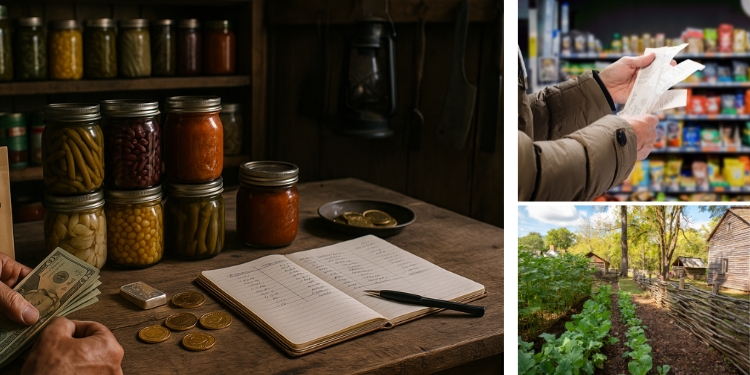


I know in these uncertain times, inflation feels like a big threat, yet when you look at the glass half full, it can be an opportunity. While most people panic at rising prices and shrinking dollars, smart individuals find ways to adapt, survive, and even profit.
This is especially true for preppers, who already understand the importance of resourcefulness, self-reliance, and long-term planning.
This article explores 10 ingenious and practical ways to legally profit from inflation and give yourself a leg up on shouldering high prices. Whether you’re a homesteader, a bartering wunderkind, or just looking to preserve your financial resilience, you might want to try some of the following.
If you prefer to just watch a video of the main parts of the article, it is presented below:
Stockpile and Resell Hard Goods
Inflation drives up today’s prices on almost everything. Yet if you’re a savvy prepper, already stocked up on essentials, could you turn your stockpile into a side hustle? Yes! Yes you can!
Certain items like canned food, seeds, and vegetables need occasional rotation. They also appreciate in value during high inflation. When supply chain issues hit, and prices double, you can sell surplus items locally or through barter exchanges at a profit, compared to your original cost.
Some preppers even treat this like a micro business—buying when shelves are full, selling when panic sets in. You’d be surprised how many people will pay a premium for items they once ignored. Remember the huge toilet paper scandal during the Pandemic? Think of it less as hoarding and more as strategic inventory management in a collapsing economy.
Pro Tip
Focus on items that are durable, compact, and consistently in demand. This might include things like vacuum-sealed coffee, multivitamins, bleach, fuel stabilizer, and even Mason jars.
Invest in Tangible Assets
Inflation erodes the value of paper money but tends to inflate the value of tangible assets. That includes land, firearms, as well as precious metals like gold and silver. In some cases, even high-demand collectibles like vintage tools or wartime surplus gear also increase in value in the wake of inflation.
If you look at every financial collapse in history, the pattern is clear—tangible assets outlast paper promises. When fiat currencies crumble, those holding real goods—especially tools, metals, or productive land—become the new lenders and power brokers.
Don’t just watch paper dollars turn to dust—dive into Dollar Apocalypse: Survival Guide for the Next Great Collapse. It walks you step-by-step through how to:
- Reallocate wealth into real-world assets
- Shield your savings when the money system breaks
- Use inflation as a ladder, not a trap
Click here to explore Dollar Apocalypse before the next wave of inflation hits. Available at a huge discount for Ask A Prepper Readers.
Pro Tip
Rural land, in particular, offers multiple streams of inflation-resistant value. You can homestead, lease it, raise livestock, or simply wait as land prices rise, and cities sprawl outward.
Barter Goods & Services Strategically
In an inflationary economy, the value of cash can fluctuate unpredictably, and when it does, barter comes roaring back. Many preppers already maintain barter bins, but few consider it a way to profit. I’d argue that you could even think of bartering as your own form of inflation-proof currency, with the added benefit of community resilience.
If you have useful skills like blacksmithing, herbal medicine, or ammo reloading, you can trade at favorable rates as demand skyrockets.
The more inflation bites, the more people rediscover the old barter economy. When the dollar feels like sand slipping through your fingers, a neighbor with a chicken coop suddenly becomes more valuable than a banker. Skill becomes the new currency—so polish yours now.
Speaking about herbal medicine, when modern medicine is out of reach, The Forgotten Home Apothecary gives you the herbal know-how to turn your garden into a medicine cabinet. To lay the groundwork for DIY healing, consider checking it out here. And you can easily trade that healing knowledge with others. Doctors will not be available everywhere.
Pro Tip
During times of inflation and hardship, the value of labor often rises faster than the price of goods. This is especially true for things like repair, tech knowledge, or mechanical skills, where people are hoping to get a deal by avoiding the astronomical prices of calling in a certified professional.
 Grow Inflation-Proof Foods
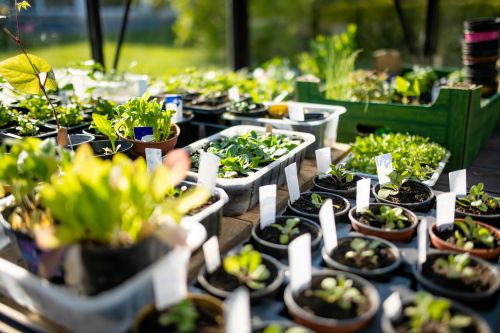
Store-bought groceries are among the first to spike during inflation. If you have land, a backyard, or even a rooftop, you can profit from growing your own food. There are several avenues to consider, including selling produce, bartering seedlings, or even selling preserves.
You don’t need a massive farm to ease the pinch of inflation. Even a small backyard garden or container garden on your deck can shave hundreds of dollars off your food bill and give you fresh produce to trade with your neighbors.
40 years of homesteading expertise is available for everyone interested inside The Self-Sufficient Backyard. In its pages you’ll discover:
- How to turn ¼ acre (or less) into a food-producing machine
- DIY systems for water, energy, and medicinal gardens
- Ways to scale up—or down—based on your land and resources
If you want to transform your yard into a self-sustaining asset, grab your copy of The Self-Sufficient Backyard.
You can also turn excess crops into profit streams—think community-supported agriculture (CSA) shares, weekend farmers’ markets, or home-delivered produce boxes. While supermarkets hike prices weekly, your small patch of soil becomes a living hedge against inflation.
Pro Tip
Inflation also boosts the value of value-added products like homemade jams, fermented vegetables, and herbal tinctures. Even dried beans and dent corn can have value for people who want to save money by cooking more of their own meals.
Raise Backyard Livestock
Chickens, rabbits, quail, and even bees can become inflation-proof assets. You profit not just from eggs or meat, but also from things like selling chicks or hatching eggs.
Just be sure to understand the local laws about backyard animal husbandry in your area. I’ve seen suburban townships that welcome milk goats and backyard chickens with open arms. I’ve also seen rural towns that stringently refused to allow even a pair of laying hens in a fenced-in yard.
Small-scale livestock is a living investment. When feed costs rise, so does the value of your output. Eggs become currency, honey becomes gold, and meat becomes a trade good. Even your manure becomes valuable for gardeners struggling to afford fertilizer.
Pro Tip
Chicken, goat, and rabbit manure can also be composted to create a powerful fertilizer. It’s something you can use to boost your own garden, or barter with your neighbors who are also growing some of their own food.
 Rent Out Storage Space
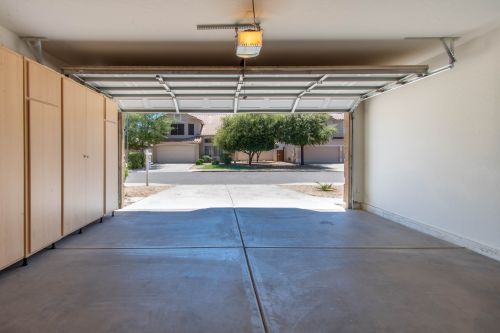
Inflation often leads to hoarding, and hoarders often need storage space for their stash. If you’ve got a spare shed, garage, barn, or root cellar, you can profit by offering prepper-friendly storage space for a small monthly fee. Just make sure you work out all the details when it comes to them having safe access.
In fact, some preppers go further—offering climate-controlled storage for canned goods, ammo, or emergency gear. Security and dryness are king. The more you can promise protection from theft and moisture, the more valuable your space becomes.
Pro Tip
You can charge more for outbuildings and root cellars that have some type of climate control and security features. A safe, thermally regulated storage space adds to the real-world and perceived value to a potential renter.
Pro Tip 2
Always have a different storage area that nobody knows about, one you do not rent out. Learn how to build a hidden storage space for all your food and valuable tools here.
Flip Thrift Store & Estate Sale Finds
As inflation tightens everyone’s budgets, people tend to unload valuable gear for cheap or stop buying new altogether. That opens the door for a savvy scavenger to flip undervalued items.
Things with lasting value, such as cast iron cookware, manual tools, propane lanterns, survival books, vintage clothing, and wool blankets, top the list. Yet anything that people will use in their everyday lives can easily be flipped.
There’s wisdom in the old ways. The Amish Ways book offers practical lessons from a community that thrives without modern excess. It’s not nostalgia—it’s a toolkit. I learned so much about how to live better and healthier from this guide, including:
- How to make Amish Tylenol
- How to build a DIY off-grid water filter
- How to barter like an Amish
- How to build the Amish AC unit
Give it a try. The Amish ways book is available at a discount since you are reading this article. You get 76% off when you use coupon number X43LC2V.
The trick is to think like a historian and a hustler at the same time. What will people regret selling when times get tougher? That’s your goldmine. Tools that outlast power outages, books that teach survival, and fabrics that actually last—those are the new luxuries.
Pro Tip
Hit local thrift stores, auctions, and estate sales where it’s easy to buy low on just about anything. Then clean it up, resell online through a site like Facebook Marketplace, or Ebay or get a booth at a swap meet.
Offer DIY, Repair, or Resilience Workshops
As inflation rises, more people look for low-cost, hands-on solutions. Yet very few have the skills to truly do-it-themselves. If you have a skill or can teach something useful like food preservation, solar panel setup, water filtration, or basic homesteading, you can profit by hosting workshops or online classes.
Other skills that you might be able to monetize include knife sharpening, home butchery, rocket stove building, and seed saving.
When people realize they can’t afford to hire professionals, they’ll pay to learn from someone local who’s already figured it out. You’re not just selling a class—you’re selling empowerment, survival, and independence in an unstable world.
If you’re serious about stepping off the grid and even learning new skills you could barter in the future, No Grid Projects is your blueprint for turning any tract of land (or even a small plot) into a functioning, independent system. See the No Grid Projects book here.
Pro Tip
While it might be handy to offer a class in person, these days you can easily create a digital course, or a series of YouTube videos people can subscribe to or buy once and watch forever. There might even be some ad dollar profits to be made from a YouTube skills channel.
Selling Surplus Firearms and Ammo
When inflation drives up the price of meat in grocery stores to astronomical prices, people will naturally start hunting more for their protein. If you have additional firearms for hunting, like a .22 rifle or a .410 shotgun, you could sell it to novice hunters along with ammo for much more than you originally bought them for.
Just remember—knowledge sells, too. Offer a short tutorial or printed guide for beginners, and you’ll add serious value to your sale. In desperate times, people don’t just buy tools; they buy confidence. Also, always be careful who you sell to. You never know when someone can become an enemy overnight. Keep the upper hand you have. Always.
Pro Tip
If you can reload your own ammo, inflation makes it easy to sell your store-bought ammo for premium prices. Just note that you can’t sell or barter your reloaded DIY ammo to other people without a license!
Set Other People Up for Self-Sufficiency
As inflation drives up the price of food and utilities, your friends and neighbors will be aching to become more self-sufficient. Yet they’ll often see the startup phase as prohibitive.
You can get paid top dollar for things like tilling and planting a garden for your elderly neighbor. Your friends might pay you handsomely to set up their new solar panel array, install their own self-reliant generator, or set up their basement corn burner stove.
They get to become more self-sufficient in the long run, while you profit in the short term.
This approach builds community capital. When people remember that you were the one who helped them prepare, you become more than a neighbor—you become indispensable. That kind of trust and reputation is its own form of currency when systems start breaking down.
Remember that modern survival demands digital backup. While there are situations in which you cannot use electricity, there is a very good chance you will still have access to a computer after SHTF. This is why a gadget that holds all your survival information makes a lot of sense. The Prepper Disk is a hardware tool loaded with maps, guides, and survival knowledge you can access offline. It’s a portable library when the grid is gone — see your options here.
Bonus Way To Profit From Inflation: Sell Water!
When inflation goes up, plants close. If the situation is serious, your municipal water supply system might simply shut down. What do you do then? Knowing how to collect and filter water gives you a huge advantage in any collapse situation. And the good news is you can even get water in the desert with the Water Freedom System. Take things one step further and learn how to get 40 gallons of water from AIR!
Better yet, learn how to make the backpack-sized water generator to then make more of them and sell them to people who have problems gathering water. Such knowledge is simply priceless because without water, we all die.
Inflation Isn’t the End but it is a Wake-Up Call
When inflation rises like a thunderhead over the prairie, the unprepared panic. Yet for the informed, the decreasing value of money is a signal to pivot, adapt, and thrive. These 10 strategies don’t just help you survive. They can help you become a local leader, a reliable supplier, and a financially independent homesteader.
Also…
If you truly want to take control of your family’s future, medical safety when systems fail, check out The Home Doctor Guide now. It’s packed with field-tested, low-cost procedures you can perform when doctors and pharmacies are unavailable.
You may also like:
 9 Items To Stock Up On Before Hyperinflation Hits
The ‘Superweed’ That Saved Large Communities During The Great Depression (Video)
These 6 Items Skyrocketed in Price. Here’s What I Did






















When trading labor for goods break up the payments into portions to prevent being ripped off completely. Common modern practice in the construction trades is 1/3 to start, 1/3 at dry in, and 1/3 at complete. This is to prevent getting to the end of the job and not getting paid do to financial issues (lied to). Do the same when bartering labor and store the bartered for items away from the labor site / area to prevent them being stolen back. To do this you really need a rear guard or support team, difficult to do as an individual. As an individual you are more secure bartering finished goods you crated elsewhere in a secure environment.
This is very good advice. We hope people see it and respect it when they negotiate work payments of any kind.
Avoid thumbs down people who won’t offer an alternative. Just don’t like and have nothing to offer. Type your reasons for thumbs down. You may actually have a point.
Or:
Stay away from my slice of paradise when TEOTWAWKI happens.
Here’s a must have…. https://www.vevor.com/diesel-heater-c_10321/vevor-diesel-heater-portable-diesel-air-heater-8kw-dc-12v-24v-all-in-one-1-2-gal-p_010570260587
NEVER sell or barter guns or ammo to someone you don’t know. And limit what you do in that regard to family and clse friends. And maybe even not them depending on whether you can trust them or not. Never do bartering or selling of ANYTHING vat tour home either. Once they know where your stuff is it will get out. Maybe by a slip of the tongue but it will get out. Then you are in trouble. The only people I let know about my preps are my sister, so and daughter and grandkids because we think alike and I can trust them. The gun or ammo you barter away today could be used against you tomorrow. Just my 2 cents.
I would even refrain from selling any guns and ammo. Having the guns and ammo is what gives you an advantage in the first place. Especially if you’re selling or bartering other things.
You are right, of course. bartering guns or ammo can buy you leverage in a collapse, but only if you never lose the upper edge. NEVER sell or trade weapons or rounds to people you don’t personally know and trust; restrict any transactions to the tiniest circle (family you’ve vetted, maybe no one at all), because the gun or box of ammo you hand over today could be turned on you tomorrow. Never, ever announce or show where your preps live, slips of the tongue, bragging, or casual “helpful” advice spread fast and will paint a target on your house. If you must barter, favor one-off, tightly controlled exchanges, insist on meeting in secure locations, and prefer trading skills, tools, food, or fuel instead of handing over lethal advantage. Keep your stockpiles locked, your training current, and your circle small, that’s how you stay profitable and alive.
Amen Bubba, BUT everyone remember, Youngsters, trusted youngsters, like to BRAG.
I would NOT share all secrets with them, no matter what.
IF they know your NAME, they will find where you live, THEN they know where you stash ( at least SOME). If they Kill you and find little, your still dead. During the Panic days, DONT trade ! Sory, YOU cant save them all. when the ranks thin, those that remain, will be much more stable, which = trustable. I think, trade canned peaches for canned pears is good, but dont trade a gun and ammo for something like 2 rolls of toilet paper. If the condition persists, in 5 years you may be willing to risk your life to get the gun and SOME ammo back. Trade away a bic lighter, when your a master of flint and steel and have MANY back ups.
Well hidden stock piles, MANY of them, and IF someone see’s ONE stock pile, thats all they can steal. Dont show other people another stock pile. If you show a stash, its time to MOVE it and soon.
PS it would be a shame to trade away the can of tuna, that gets dropped in a sock, and swung like a mace and cracks your head open. Now thats tuna surprise.
SKILL and Knowledge, they cant TAKE them from you, that makes them perfect for barter, as long as you remain strong enough to ensure your paid.
Below, cash on hand, thats for the ice storm, not REAL SHTF.
ring, NEVER worth what you think they are worth. As Para says ( always pay attention to what Para says) 1 oz Silver rounds are much better than CASH if an actual SHTF happens. What can you do with a 20 $ bill that you cant do with a single ? they both start a fire, but the singles will start 20 fires. Better yet, buy a few Bic’s
But when you dont know if their will be a US Gov ever again, the Jackson is worthless. Have some on hand, if its just a hicup, you will need some handy cash
Sometimes the best thing to do is to hang tight and hold on. People who panic make mistakes. People who rush into something make mistakes. Smart decisions win the day.
in a long term grid down event clean potable water for trade will be worth it’s weight in gold if you can defend it.
Look up info about Selco who lived through the Balkan wars, different region, but humanity is humanity and will require the same needs as those folks did then. Arms and ammunition? For you and your household only. Why arm those who would steal from you and your neighbors?
Good call! Selco’s stories are the cold mirror we need: different map, same hunger, same fear, same basic needs. Don’t romanticize open-arming everyone; that’s how chaos multiplies. Keep weapons and ammo for close defense only, train hard, secure what you have, and invest in the soft assets thieves actually want, skills, food, power, so you become the one people trade with, not prey. Build quiet community trust, practice discipline (ammo is precious), and prioritize deterrence and escape over firefights. That’s how you survive and profit when the system finally stops pretending it can protect you.
I enjoy your articles and emails. I have a few question and hope you are able to help.
We have an 18kt gold ring weighing about 20gr and would like to know what would be the best thing to do with it? Should we sell it and if so to whom? We tried USA Gold. Should we keep it and melt it down? Can we take it to someone and have them melt it down for us or is it easy enough for us to do? What would you recommend?
Another question – What is the best cash to keep on hand, large bills or small bills? How much would you recommend having on hand? Is change a good thing to stockpile?
Just me, I would sell the ring and put the windfall into 1 ounce silver bullion rounds. Cash to keep on hand? I keep mostly 20 dollar bills with a few tens and fives. If things go south, I would purchase as much shelf stable food and OTC medications that our little country store would sell.
A personal answer here, if I were in your shoes, I’d get it properly appraised (to learn its purity, condition, and any gemstone value), then shop multiple offers like private buyers, custom jewelers, or trusted online gold buyers, to see who gives you the best net return (minus melting, shipping, or fees). Many local jewelers or custom shops will melt down gold, but doing it yourself is risky (you’ll lose metal, need tools, deal with safety/legality). USA Gold tends to offer less than what you could get locally in most cases. For your cash question: I lean toward keeping a mix of small and medium bills (so you can make change, trade small stuff) rather than mostly large bills, and enough to cover bare-bones essentials for days to a week or two, enough to get you through disruption but not so much that it becomes a security nightmare.
I would think our Israeli brothers and sisters would have a thing or two to teach the prepper communities.