

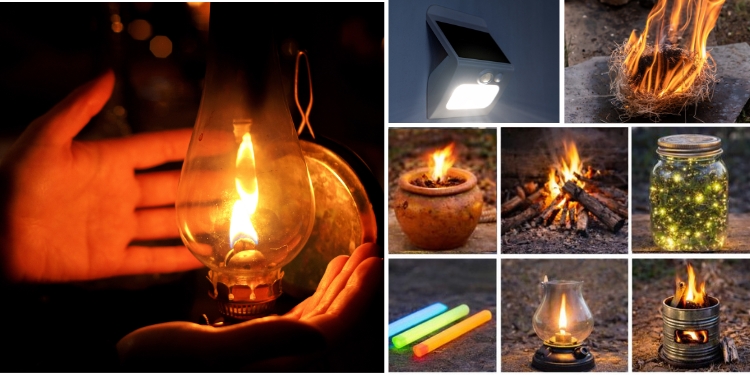


Most people don’t think much about lighting until the power goes out. Then it becomes obvious how many daily habits depend on flipping a switch. Walking down the hall, cooking, finding shoes, and even sitting down to read becomes unsafe.
The truth is blackouts are inevitable nowadays. That’s why you need light that lets you move safely, see what you’re doing, and keep some sense of normal routine.
Why Headlamps Belong in Every Stockpile
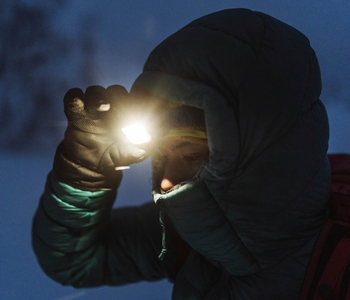 A headlamp is often overlooked because people associate it with outdoor activities, yet it is one of the most effective lighting tools inside a home during a power outage.
The primary advantage is that the light moves with your line of sight, which allows you to walk, carry objects, and perform tasks without constantly repositioning a flashlight.
In homes with stairs, uneven flooring, or multiple occupants moving around at once, a headlamp reduces the risk of falls and collisions.
It is particularly useful at night, when an outage interrupts sleep and people need to move safely while still half awake. Keeping a headlamp in each bedroom ensures immediate access without searching through drawers.
For household use, extremely bright models are unnecessary and can even be uncomfortable indoors. A moderate beam with adjustable brightness is more practical, especially when navigating enclosed spaces. Headlamps that use common batteries are easier to maintain over time, since replacements are readily available and do not rely on proprietary charging cables.
Lanterns for Living Areas
Lanterns are better suited than flashlights for spaces where people remain for extended periods, such as kitchens, dining rooms, and living rooms. Rather than focusing light in one direction, a lantern distributes light across a wider area, making the room feel usable rather than temporary.
👉 The Easy DIY Bicycle Generator You’ll Regret Not Building Before the Next Blackout
In practical terms, lanterns allow families to sit together, prepare food, or read instructions without constantly adjusting a light source. They are also easier to place securely on tables, counters, or floors, which reduces the chance of accidental drops.
When choosing a lantern for home use during power outages, focus on features such as:
- Stable base: A lantern should sit securely on tables, counters, or the floor without wobbling, especially in homes with pets, children, or uneven surfaces.
- Long runtime at moderate brightness: A lantern that runs eight to twenty hours on a medium setting is far more practical than one that drains quickly at full power.
- Multiple brightness settings: Adjustable output allows you to use higher light for cooking or cleaning and lower light for general visibility, which significantly extends battery life.
- Common battery types or reliable recharge options: Lanterns that use AA or D batteries are easier to maintain long-term, while rechargeable models should hold a charge well and be easy to top off.
- Simple controls: The model should be easy to operate in the dark without cycling through unnecessary modes.
- Optional hanging capability: A handle or hook allows the lantern to be suspended from a cabinet handle, shelf, or hook when surface space is limited.
Also, it’s worth mentioning that placement affects how effective the light feels. Placing a lantern lower in the room often produces softer, more even illumination, because light reflects off walls and ceilings instead of creating sharp shadows.
Solar Lanterns
 Solar-powered lanterns have improved significantly and are now a realistic part of a home lighting plan. They store energy during daylight hours and provide light after dark without requiring fuel or disposable batteries.
Although they perform best with direct sunlight, many modern models still collect enough energy on cloudy days to provide several hours of usable light.
This makes them particularly helpful in regions that experience frequent storms or planned outages.
Solar lanterns are easy to maintain because they have few moving parts and require little attention beyond occasional cleaning. Storing them near windows during the day improves charging efficiency, especially in winter or during overcast weather.
Keep in mind, though, that they are not designed for tasks that require strong, focused light, but they perform well for general room lighting, evening meals, and quiet activities.
Repurposed Outdoor Solar Lights
You most probably already have a solar-powered walkway or garden lights installed outside. The best part is that these could be really useful during a power outage. All you have to do is use them indoors with no modification, beyond removing them from the ground.
👉How to Turn a Car CB Radio Into a Powerful Transmitter
These lights work best in areas where visibility is needed for safety rather than detailed work. Bathrooms, hallways, stair landings, and entryways benefit from low-level lighting that helps people orient themselves and move safely.
Most garden lights can be placed upright in household containers such as cups or jars, which keeps them stable and prevents rolling. Although the light they produce is modest, distributing several of them throughout the house creates a clear sense of space and reduces the risk of trips and falls.
Crayons
Crayons can be surprisingly useful in a blackout because they’re mostly paraffin wax (similar to candle wax) and many have a paper wrapper that can act like a wick when lit.
That means a crayon can serve as a tiny emergency “candle” for short-term, low-level light – handy for finding supplies, moving safely, or lighting another candle. They’re not a great primary light source (short burn, more smoke risk than a real candle), but they can be a practical backup in a pinch.
How to use crayons safely in a blackout (step-by-step)
- Pick the right crayon: Standard wax crayons (often paraffin-based) work best; avoid “washable”/non-wax types if you have a choice.
- Choose a safe base: Place it on a nonflammable surface (metal lid, ceramic plate, glass dish). Keep it away from curtains, paper stacks, and anything plastic.
- Make it stable: Stand the crayon upright and secure it (a blob of melted wax on the plate helps it stick; or press it into a little mound of foil).
- Use the wrapper as a wick (if present): If it has a paper wrapper, peel it down slightly near the top so a bit remains to catch flame and feed wax like a wick.
- Light carefully: Use a match/lighter to ignite the wrapper/top. Let it establish a small flame; don’t “wave” it around.
- Ventilate: Crack a window if possible – any open flame can add smoke/soot, especially if it flickers.
- Never leave it unattended: Treat it like a candle. Keep kids/pets away, and extinguish before sleeping.
- Have an extinguish plan: Snuff it (best) or carefully blow it out; keep a little water nearby for emergencies (but don’t splash water into hot wax).
How long will a crayon “candle” last?
Usually about 15–30 minutes per standard crayon, depending on size, wrapper/wick quality, and drafts (moving air makes it burn faster and less cleanly).
Candles, If Used Properly
Candles can provide usable light during an outage, but only when they are treated as controlled light sources rather than casual decorations.
It goes without saying that candles should be used with basic safety rules in mind, but even then, accidents can happen. Here are a few (not so obvious) things to consider when using candles:
- Use heavy, enclosed holders, such as glass jars or deep ceramic holders. Lightweight or decorative holders that can slide or tip easily should be avoided.
- Place candles on solid, uncluttered surfaces. Tables, countertops, and low shelves work well when they are clear of papers, fabrics, and cords.
- Keep candles out of walkways and high-traffic areas, especially near stairs, hallways, or doorways.
- Extinguish candles before leaving the room or going to sleep. This is one of the most important safety rules, as an open flame should never be left unattended.
There is another way to use candles that is even safer. It involves making them at home and using a specific type of container that you can’t find in stores. I found the recipe here.
Glow sticks
These party favorites are not intended for room lighting, but they are useful when visibility is needed without heat or electricity. They are particularly useful for marking stairs, hallways, and bathroom locations at night.
Because they produce no flame and generate very little heat, glow sticks are suitable for homes with children or individuals who may be at risk around open flames. They are also lightweight and easy to store.
Therefore, keeping a small number of glow sticks in an emergency kit adds an extra layer of safety without taking up space or requiring maintenance.
Propane and Naphtha Fuel Lamps
These lamps use stored liquid or gas fuel to produce a steady flame, offering strong illumination for extended periods. For home use, fuel-based lamps are best suited as primary off-grid lighting options, especially during prolonged outages. Unlike battery-powered lights that dim or fail over time, a properly maintained lamp will continue producing consistent light as long as fuel is available.
Propane lamps are clean-burning, easy to operate, and widely supported by readily available fuel canisters. They work well in larger rooms, garages, workshops, or outdoor-adjacent spaces where ventilation is adequate.
Naphtha lamps (white gas) are known for their brightness and efficiency. From experience, I’ve learned that once pressurized and lit, they produce a strong, steady light comparable to early electric lighting. These lamps are especially useful for tasks such as cooking, repairs, or reading.
A simple naphtha lamp can be built with basic materials and costs almost nothing. If you are an experienced prepper, it’s honestly mandatory to know how to make a Naphtha lamp before a crisis. If you’ve never built one, start here:
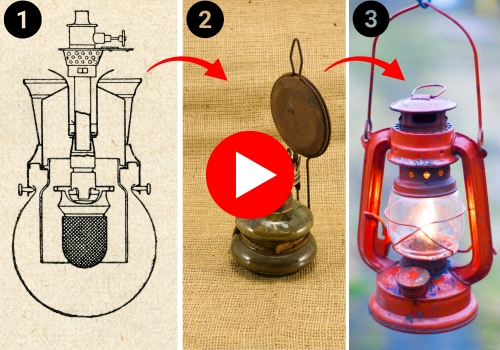
Both types of lamps are valuable because fuel stores well long-term when kept properly sealed, and the lamps themselves are mechanically simple. There are no batteries to degrade and no electronics to fail. With basic maintenance, these lamps can remain functional for decades.
Because they generate heat and use open flame, fuel lamps should be used thoughtfully, with attention to ventilation and placement.
Kerosene Lamps
Kerosene lamps are a simple, traditional alternative to electric lighting, often used during power outages or in areas without reliable electricity. They are portable lamps that burn kerosene fuel to produce light, making them useful for homes during blackouts, emergencies, or off-grid living. Because they do not rely on electrical systems, they can be used anytime fuel is available.
A kerosene lamp works by drawing liquid fuel up through a cotton wick from a small reservoir. When the wick is lit, the kerosene vapor burns and produces a steady flame. A glass chimney surrounds the flame to protect it from drafts and to help control airflow, which improves brightness and efficiency. The light level can usually be adjusted by raising or lowering the wick.
Oil Lamps
Oil lamps are even safer than candles – they provide steady illumination over extended periods and are capable of lighting a room more consistently than candles. If you grew up using them, you are most probably familiar with their operation and maintenance.
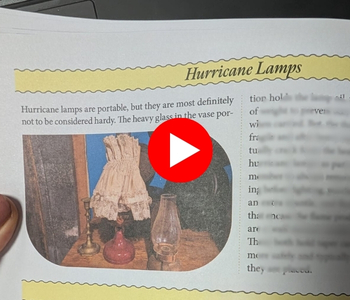 Oil lamps are well suited for reading, writing, and evening activities in a central room. They are less forgiving than modern electric lights, so anyone unfamiliar with them should practice handling and lighting them before an outage occurs.
But be careful! Using these lamps safely requires proper fuel, stable placement, and basic ventilation. Wicks should be trimmed regularly to ensure clean burning, and lamps should be kept away from areas where they might be knocked over.
I’ve tried many DIY lamps at home, but hurricane lamps stand out as the best option. Their enclosed design shields the flame from drafts and accidental contact, making them more stable and reliable than open oil lamps. The glass chimney also promotes an even burn, which helps reduce flicker and smoke when the wick is properly adjusted.
For this project, I used the instructions found here. It’s a clear, step-by-step guide that covers everything you need to know and you’ll be glad to have it on hand in case of a blackout.
Most people are dangerously wrong about blackouts.
This happens because blackouts don’t feel real until you’re sitting in a freezing house, watching the temperature drop, waiting on a recorded message telling you it might be days before the power comes back.
That’s the moment most people realize how exposed they are.
This is why Easy DIY Power Plan was created. Relying entirely on the grid is a gamble, and generators, fuel, and solar panels all come with their own limits. Fuel runs out. Solar fails when the weather turns. And during real outages, none of those options are easy, cheap, or reliable.
This plan shows you how to build a compact power system using simple materials for around $100, with no fuel, no fire, no fumes, and no complex mechanics. Once it’s built, it keeps producing power without constant maintenance, even during long winters or extreme heat.
It’s designed so regular people can build it in a few hours, even without technical skills. That’s why thousands of families have already used it during storms, floods, and extended outages – not just to save money, but to keep their homes warm and functional when the grid failed.
If you get Easy DIY Power Plan today, you won’t just receive the core blueprints and instructions. You’ll also unlock FIVE bonus guides that expand what this system can do and give you even more control during outages.

Final Thoughts
Most households do not need extensive equipment to manage lighting during outages. A balanced setup typically includes a mix of hands-free lighting, shared-area lighting, and low-level safety lighting.
This approach provides flexibility, reduces stress, and allows daily routines to continue with minimal disruption. The focus should always be on safety, comfort, and practicality rather than perfection.
Frequently Asked Questions
What’s the most important light to have during a blackout?
Hands-free lighting is the top priority. A simple headlamp lets you move safely, carry items, and perform tasks without juggling a flashlight.
How many lighting options should a household have?
Ideally, a mix: headlamps for movement, lanterns for shared rooms, and low-level lights (solar lights or glow sticks) for hallways and stairs.
Are solar lanterns reliable during extended outages?
Yes, especially for general lighting. While they aren’t meant for detailed work, modern solar lanterns can provide several hours of usable light even after cloudy days.
How should lighting supplies be stored?
Keep lights where they’ll be used: headlamps in bedrooms, lanterns in living areas, and safety lights near stairs and bathrooms. Store spare batteries, fuel, and matches nearby so everything works when needed.
Is it better to plan lighting by room or by device type?
By room. Think about what each space needs, then choose the simplest tool that meets that need reliably.
You may also like:
 7 DIY Projects To Have Ready When The Lights Go Out
The First US States that Will Go Down after a Blackout (VIDEO)
The Best EDC Flashlight For All Uses

















With a high of16” today, I am most thankful that I prep all during the Fall months for days like this. I have not lost power, but I”m ready if I do. During these cold dark months, lighting is a sanity saver no matter what the circumstances are. Redundancy is of most importance. I thought I had all bases covered, but I have never heard of a “Naphtha Lamp”. I will have to up my game! This article is a great summary of what the options are for lighting in the event of a power outage. With thousands across the country now without power, I hope they are also well prepared too. It’s amazing how many lessons are learned after an event. That’s the time I check my list and update it as may necessary. Now I have to work on this lamp. Hope all is well out there, Spring is coming!
City, Naptha – white gas. You know it as the Old Colemen lantern. learn to make one, or hit the yard sales / trip To WM. PS they will burn unleaded, but need more cleaning. for several years they marketed them as “multi fuel”.
Kre – Thank you so very much! You took the mystery out of it all! Stay warm and be well!
Well said and you’re absolutely right. Preparation makes all the difference, especially in weather like that. Redundancy really is key, and it’s always great to discover a new option before you actually need it.
I purchased the root cellar project and, am wondering where he got his sand bags? When I look they’re more than the whole projects calls for. Thank you.
Do you know someone who has livestock? Commercial feed bags would work just about as well. I believe they are made from the same material as sandbags. If there is a chicken farm or other commercial enterprise, perhaps they would save bags for you.
Please respond to past email. Where can I purchased the root cellar project and, am wondering where he got his sand bags? When I look they’re more than the whole projects calls for. Thank you.
I have seen sand bags at hardware stores like Lowes, Home Depot, etc. I saw them near lumber where they sell the cement.
are you trying to buy them FULL of sand ? or just empty bags ?
Massive price difference
try AMZ for empty sand bags, or try to acquire empty feed bags
Hello, Sonya. You can find the book here => Easy Cellar by Claude Davis
Thanks for the article on lighting JACK.
Hi Sonya: In addition to Backster’s comment…You can also purchase sandbags from Sportsman’s Guide. Just checked and they show 20 bags for $19.99 unless you are a member, in which case they are $17.99. I don’t know if that is a less expensive price than Backster’s sources or not. r/Jeff
This storm called Fern i bet has created thousands of new preppers…as long as they don’t forget by Spring.
Forget what??
I have used the sidewalk lights a couple times in power outages. They work great. Hurricane lamps are cozy. To me they help me relax a bit. I saved the candle wax from tins and jars enough to make a pint jar candle. Works great. Put wax in and melt. Add more wax and melt. Pull it out and add a wick. EzPz.
Sidewalk lights are Ezer Pzer.
We use rechargeable batteries where possible, but also use propane lanterns, and candles. Canning jars that have chips on the rim are good to repurpose as storm candles, be sure to use a double boiler to melt the paraffin. My favorite candle lantern is the Stonebridge collapsible, it puts out a nice brassy yellow glow. The UCO candle lanterns are also nice.
Have solar lights all around the outside of the property, plus the attic.
Contemplating on installing solar lights inside the house with the solar colection panels ouside that have a remote control for each panel. Routing the 16 foot cords through the various doors instead of drilling to many holes.
Solar powered lights are easy to install and most work great.