

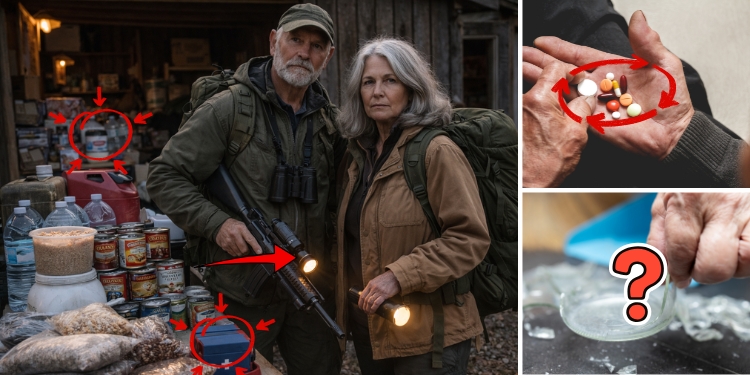


Growing older does not mean giving up independence. In fact, many people who have spent decades raising families and fixing things with their own hands tend to handle difficult situations better than those who have never faced real inconvenience before. You surely know experience counts for a lot.
But the rhythm of daily life could be disrupted by sudden emergencies. Even if you are in good health, a long blackout, a water shortage, or a disruption could keep you inside for days or even weeks. Cooking, moving safely through the house, managing medication, or dealing with minor health issues suddenly requires more planning than usual. And you’ve seen such situations happening right before your eyes.
None of this means seniors cannot manage a crisis. Quite the opposite – your home can remain comfortable, organized, and safe during any crisis if you adapt it to your limitations
A Smart Pill Management System
Medication is part of daily life for many elders, and under normal circumstances, the routine becomes second nature. A pill taken in the morning, another in the evening, sometimes one with meals. Over time, the habit forms naturally.
However, when a household experiences several days of disruption, your daily routine will change drastically. Under such conditions, it becomes surprisingly easy to forget whether a medication has already been taken.
The Only 4 Antibiotics Seniors Need to Stockpile
A simple weekly pill organizer removes that uncertainty. Each compartment clearly marks the day, and sometimes even the time of day, which allows a quick glance to confirm whether the dose has been taken. Instead of relying on memory during a stressful time, the organizer keeps everything visible and orderly.
Keeping a written list of medications and dosages alongside the organizer adds another layer of security. Should medical help ever be needed, the information is already prepared and easy to share. In situations where communication or travel becomes difficult, having this information can save you a lot of trouble.
Solar Lights that Keep the House Safe at Night
 When the power goes out after sunset, your home can suddenly feel very different. Rooms that once felt comfortable become dark spaces that require careful movement, especially when stairs or narrow corners are involved.
In this regard, you might want to consider stockpiling solar garden lights. During the day they sit outside gathering energy from sunlight, and by evening they can be brought inside and placed where light is needed most.
Setting a few along a hallway, near a bathroom door, or beside a staircase provides enough light to move safely through the house without fumbling for a flashlight every few minutes. The light is gentle but steady, and because the units recharge themselves each day, there is no worry about draining batteries.
An Underestimated Tool
A reach tool is useful at any time, especially if you have back pain or mobility problems. It is recommended for seniors or those who suffer from back problems to keep one at home.
Imagine how useful it becomes during an emergency. In the middle of a stressful situation, items often fall to the floor or slip behind furniture and stacked supplies. When your space is crowded with boxes, containers, and gear, reaching for small items can quickly become frustrating.
The First People That Will End Up in the Poor House. Are You One of Them?
There’s no doubt that a simple reach tool makes the job much easier for you. Instead of bending over again and again or moving heavy objects out of the way, you can grab what you need with a squeeze of the handle and lift it safely.
A Practical Herb Kit for Common Ailments
When you’re dealing with a long emergency, small health problems can become a lot more frustrating than usual. A headache, sore joints, stomach discomfort, or trouble sleeping can slowly drain your energy if you have no easy way to deal with them.
That’s where simple medicinal herbs can help. People have relied on them for generations to ease everyday problems. If you keep a few of these plants around, you can make basic teas, salves, or tinctures that help your body recover and stay comfortable when pharmacies are out of reach.
Here are a few herbs that are especially useful to have:
- Calendula – One of the most useful herbs you can grow for skin problems. Calendula is commonly used in oils, salves, and ointments to help the skin recover from cuts, scrapes, burns, and irritation. It supports natural healing and helps keep wounds clean. My favorite remedy is this DIY calendula ointment that I use for cracked skin on my heels and hands.
- Chamomile – A gentle herb that has been used for generations to calm the body. A simple chamomile tea can help settle your stomach, relax your nerves, and make it easier to fall asleep. During stressful times, when sleep and digestion often suffer, this small plant can make a real difference.
- Yarrow – Often called nature’s painkiller, yarrow has been valued for centuries as a powerful first-aid herb. It can help slow bleeding from small wounds and support faster healing. I use it as a tincture (that I bought from here), especially when I have a fever – it calms down the symptoms in minutes.
- Evening Primrose is known for supporting the body when dealing with inflammation and joint discomfort. It is also valued for helping the skin stay healthy and balanced. Many seniors use evening primrose when they need gentle support for ongoing aches and skin issues.
- Feverfew is a well-known traditional remedy for headaches. This herb has been used for generations to help ease recurring headaches and migraines, which is why many herbalists consider it one of the most reliable natural pain-relieving plants to keep around.
To make sure you always have access to herbs like these, we recommend keeping a medicinal seed kit in your stockpile. Seeds take almost no space, they store well, and they allow you to grow your own supply of healing plants whenever you need them.
In a crisis, these seeds can also become valuable bartering items. At the same time, they give you the ability to grow your own herbs and turn them into simple tinctures, teas, and ointments that make daily life much easier.
You can find all of these seeds inside Dr. Nicole Apelian’s Herbal Medicinal Seed Kit, along with many recipes that show you exactly how to turn them into useful remedies. 👉 Show me the kit!
Keep a Whistle Within Reach
 In a serious SHTF situation, you may spend long periods of time alone. Family members might be out searching for supplies, checking on neighbors, or working somewhere on the property. So hours can pass without anyone walking through the house.
If you fall and can’t get up, your voice may not travel very far. Your bug-in location might have thick, insulated walls; there could be wind or heavy rain outside, or you might simply be too far from the next room. In situations like this, shouting for help doesn’t always work.
A simple metal whistle solves that problem. It takes very little strength to blow, and the sound carries much farther than a human voice. A few sharp blasts can travel across the house, through open windows, or out into the yard where someone might be working.
Make sure you keep it somewhere you can reach without getting up. It’s best to leave it on your nightstand or keep it on a cord around your neck during the day. The important thing is that you never have to search for it.
Extra Eyeglasses Stored in Safe Places
In normal times, losing or breaking your glasses is usually a minor inconvenience. You can simply stop by an optician and get another pair. During a serious emergency, that option may not exist. Stores may be closed, travel may be difficult, and getting a replacement could take days or even weeks.
9 Most Underrated Prepping Items (That You Probably Don’t Have Either!)
That’s why it’s smart to keep one or two extra pairs of glasses in your home. Place them where you might need them most. Keep a pair in your bedroom drawer, another in the kitchen, and one with your emergency supplies. If something happens to your main pair, you will still be able to read, move around safely, and handle daily tasks.
A First Aid Kit Built for Seniors
Most standard first aid kits are built for quick everyday injuries. They usually contain a few bandages and antiseptic wipes. During a serious emergency, especially if you are over 60, you need something more practical. Your kit should help you stay stable, hydrated, and comfortable for several days if help is not immediately available.
A well-prepared kit for you should include:
- Electrolyte packets – Help your body recover fluids if you become dehydrated from illness, heat, or not drinking enough water.
- Anti-diarrheal medication – This helps you slow fluid loss and avoid dangerous dehydration when your body is already under stress. If you prefer something more natural, it’s worth keeping an oil-based tincture on hand as well. I personally keep the 100% organic Balanced Gut Tincture in my kit and reach for it when my stomach starts acting up.
- Burn treatment gel – If you cook with camp stoves, grills, or other emergency heat sources, small burns become more likely. Burn gel cools the skin and helps prevent further irritation.
- Reliable painkillers – Headaches, joint pain, and muscle soreness can drain your energy fast. Even if ibuprofen is something you should always have in your kit, you must also try the Joint & Movement Salve. It’s made by Dr. Nicole Apelian, whom I trust and appreciate. Her products have never let me down.
- Elastic compression bandage – Useful if you strain a knee, twist an ankle, or need support for sore joints. It provides stability so you can keep moving safely.
- Antibiotic ointment – Helps prevent infection in cuts and scrapes, which can take longer to heal as we get older. 👉 This is how my grandma made antibiotics.
- Medical gloves – Even if they are underrated, they can keep treating a wound or an infection in a hygienic way.
If you’re not sure where to start when putting together this kind of emergency kit, you can begin with this amazing resource. It will also help you learn practical things that matter as you age, like recognizing early signs of a stroke, handling a heart emergency on your own, and dealing with parasites, minor injuries, and other everyday health issues that can happen at any time, not just during a crisis.
Water Storage That Keeps the Household Independent
 Water outages happen more often than you might think. A strong storm can damage pipes in your area. A contamination alert can suddenly make tap water unsafe.
Sometimes the local system simply shuts down for repairs and the outage lasts longer than expected. If that happens, you don’t want to rush to crowded stores or start worrying about where your next clean glass of water will come from.
When you keep a few large water containers at home, you already have a reserve waiting for you. That stored water lets you keep drinking, cooking simple meals, and taking care of basic hygiene without stress. You won’t stand at the sink wondering when the water will start flowing again.
A Simple Way to Keep the Body Moving Indoors
Extended periods indoors naturally reduce physical activity. Without walks outside, yard work, or errands around town, muscles can become stiff and energy levels begin to drop.
A doorway pull-up bar or similar exercise tool provides a simple way to keep the body active inside the home. Gentle stretching, light hanging exercises, or short strength movements help maintain balance, grip strength, and flexibility.
60+ Weekend Projects to Keep You Active After 60
A few minutes of movement throughout the day keeps the body ready for whatever the situation requires. This way, you could do everyday tasks such as carrying water, moving supplies, or simply walking through with confidence.
Keeping Your Independence During Difficult Times
If you want to remain independent in your own home as you get older, preparation doesn’t have to be complicated. You don’t need expensive gear or complex systems. A few practical tools, well-organized supplies, and a bit of planning can keep your day running smoothly even when things outside your home start to feel uncertain.
Frequently Asked Questions
How much water should elders store at home for emergencies?
Aim for at least one gallon per person per day for a minimum of 7–10 days. If possible, store extra for basic hygiene and cooking so you don’t have to ration too strictly.
What’s the biggest mistake elders make during emergencies?
Trying to maintain the same routine without adapting. Slowing down, organizing supplies in advance, and simplifying daily tasks makes everything safer and easier.
How can medication be managed in a crisis?
Use a weekly pill organizer and set simple reminders, like alarms or written notes. Keep a printed list of medications nearby in case you need help from someone else.
What’s the easiest way to stay physically active indoors?
Short, gentle movements throughout the day work best. Light stretching, balance exercises, or using a simple support tool can help maintain strength and stability.
Should elders prepare differently than younger adults?
Yes. The focus should be on comfort, safety, and independence, with simple tools that reduce strain and make daily tasks easier to manage.
You may also like:
 Click Here to Join Our WhatsApp Community!
Sore Joints and Arthritis? Try This! (VIDEO)
5 Home Defense Tips for Seniors
Why Physical Fitness Is the Most Overlooked Survival Skill (Even for Seniors!)