
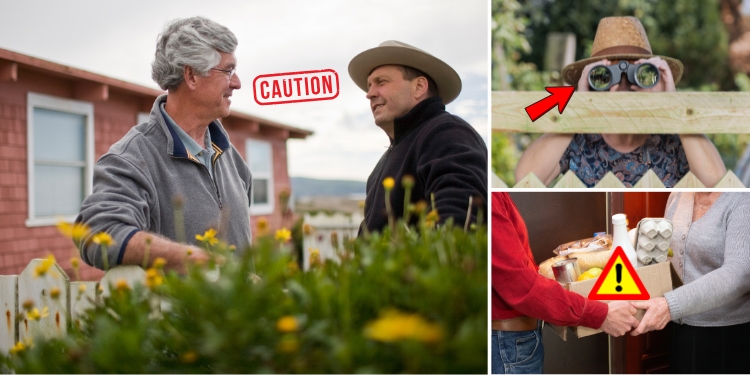


The early hours of a real collapse can feel normal. The power is out, phones aren’t connecting, and the usual rhythm of traffic has gone quiet, while most of your neighbors are still standing on their porches, chatting across fences, half-convinced this will be sorted out by evening. Someone mentions the grocery store closed early. Another neighbor says the gas station couldn’t process cards. The general mood is slightly inconvenient, at least for now.
But you already feel the weight of it, don’t you?
You’ve spent years understanding how thin the margin really is between a functioning society and one that isn’t. You’ve read the case studies, run the numbers, thought through the scenarios most people dismiss as paranoid.
The folks around you, though, most of them are working with three days of food in the house on a good week. When the shelves start going bare and the delivery trucks stop coming, that’s when reality lands for them, and that’s when their eyes start moving in your direction.
You Were Never as Invisible as You Thought
You probably tried to keep a low profile over the years, and that was the right instinct. But the honest truth is that people notice more than we give them credit for. Your neighbor may have seen you hauling in bulk food buckets or stacking firewood along the back fence. Someone else noticed the raised garden beds, the rain barrels, the extra propane tanks by the shed.
Best Guns for Self-Defense to Have at Home in 2026
None of it seemed worth mentioning during normal times, so nobody said anything, but those observations didn’t disappear. They just sat in the backs of people’s minds, waiting for a moment when they’d become relevant.
Suddenly, those memories resurface, and people start mentally mapping their neighborhood, thinking about who seemed capable, whose house still has smoke coming from the chimney, whose family looked calm when everyone else was anxious. Your household cooking a meal while others stare at empty cabinets isn’t just a detail they’ll overlook.
It’s a signal that travels fast in a stressed community.
The First Knock at Your Door
 It usually starts politely. A familiar face shows up at your door, a little sheepish, making small talk about the situation before eventually getting to the point.
They need a cup of sugar or a few cans of something. Their kids haven’t eaten much since yesterday. They’re sorry to ask, they really are, but they didn’t know who else to turn to.
This is the moment you’ve probably thought about in the abstract, but it still catches you off guard when it actually happens, because it’s not a stranger standing there.
It’s someone you’ve said hello to in the morning for years, someone whose kids play in the same street as yours, and they’re genuinely scared. Your instinct to help them is not a weakness, but a completely human response, and it speaks well of you that you feel it.
But here’s what you already know better than most: the supplies you’ve built aren’t bottomless, and the decisions you make in the first week will determine whether your family is okay in month three. Compassion and discipline have to work together here, and finding that balance is honestly one of the hardest parts of everything you’ve prepared for.
Where They’re Coming From
It’s worth taking a moment to think about your neighbors’ perspective. Of course, this shouldn’t excuse your neighbor’s poor planning, but it helps you understand without bitterness or contempt, which matters more than it might seem in the moment.
24 Tips to Become Invisible in 24 Hours After SHTF
Modern life is built on convenience and trust in systems: food is abundant, water always flows and emergency services are available 24/7. For most people, there was genuinely never a reason to think otherwise, and the system never gave them feedback until it collapsed completely. They weren’t careless or foolish – they were actually victims of an infrastructure that made preparation feel unnecessary, even eccentric.
When that infrastructure fails, it feels sudden and surreal to them, even if the warning signs were there for years. In that kind of panic, people gravitate toward what feels familiar and safe, and in a neighborhood, that often means the one household that still seems to have things under control.
The Risk of Becoming the Neighborhood Pantry
 Here’s something experience teaches you fast: the first person you help will talk.
They’ll tell a friend you came through for them, and that friend will file it away, and before long, you have a reputation as the house with resources, whether you wanted that reputation or not.
What starts as one reasonable request becomes a pattern. A few cans, a gallon of water, some batteries, maybe medicine.
Each individual ask might sound manageable on its own. But when you stack them together across a week and multiply by the number of households on your street, your precious stockpile can disappear faster than the speed of light.
As hunger sets in and hope fades, the tone of those visits tends to change. Polite requests can become less polite and even aggressive. Of course, that’s not because your neighbors are bad people, but desperate people think and behave differently than they normally would. This is exactly why the way you respond first is just as important as anything else you’ve prepared.
Set Limits Without Burning Bridges
Refusing everyone immediately might feel like the safe move, but a harsh answer comes with its own risks. Your neighbors aren’t going anywhere. They’re still living thirty feet from you, and in a prolonged situation, that proximity is something you have to live with and ideally work with. People who feel dismissed or humiliated don’t forget it, and in a collapse environment, that kind of friction can become a real problem.
A more measured approach tends to serve you better over time:
- Set aside a small goodwill reserve ahead of time – a modest stash of basic items you’re genuinely willing to share to others. For example, you can stockpile these under $1 cans from Walmart – they’re cheap, they’re fulfilling and your neighbors and friends will surely be grateful.
- Use it to show good faith and maintain a working relationship with the people around you.
- Close the door on further requests calmly and without hostility – when you give someone something reasonable and explain that’s the full extent of what you can offer, most people in a decent state of mind will accept that.
- You don’t need to lie, but you don’t owe anyone a full inventory either. Make sure you hide your stockpile in plain sight, that’s how it will be safe.
- Keep it honest and calm: “We planned carefully for a long emergency and what we have has to carry our family through months of this, not weeks. I genuinely wish I could do more.” – That explanation won’t feel like rejection.
- Never let specific numbers slip – once people have a sense of how much you actually have stored, they might think you owe them some of that.
Read the Mood Around You
 As the days stretch on without normal services returning, the emotional atmosphere in your neighborhood will shift in stages that are worth paying attention to.
Early on, there’s usually a kind of stunned cooperation, people sharing information, checking on each other, assuming help is coming soon.
That phase doesn’t last indefinitely, and the transition out of it tells you a lot about what comes next.
Watch for when frustration starts replacing patience, when arguments break out over small things, when certain people begin making demands rather than requests. That’s your signal to tighten up your profile and secure your property with more intention.
On the other hand, if your neighborhood holds together surprisingly well and genuine mutual respect stays intact, there’s a real opportunity in that. A small group of capable, trustworthy people sharing skills, watch rotations, and honest information is worth more than almost any single piece of gear you’ve stockpiled.
How to Choose Who Deserves Your Trust
Not everyone around you will respond to a crisis the same way, and you’ll learn more about your neighbors in the first two weeks of a collapse than you have in years of living beside them.
Some will genuinely surprise you. They’ll organize check-ins for elderly residents, share knowledge freely, step up with real skills like medical training, mechanical experience, or serious gardening knowledge. Those people are worth building careful relationships with, because an alliance based on mutual contribution and shared effort is one of the most valuable things you can have in the long term.
Your Generator Is the Most Dangerous Thing You Own
Others will show you something less encouraging, spreading rumors, making aggressive demands, behaving as though someone else is always responsible for solving their problems. Keep your distance from those dynamics without making it a dramatic confrontation. You’re not obligated to form close bonds with everyone who shares your street.
If you want to read more on this subject, check out this article -> The Real Dangers of Neighborhood Watch.
Preparing Your Home for the Worst
Even if you have nice neighbors, don’t fall into the trap of assuming you’ll be safe when normal life is disrupted. With this in mind, it’s important to have a few security plans around your home, without making them too obvious. 👉 How to Hide Your Stockpile in Plain Sight
While community is important, dangerous individuals are everywhere and may threaten you and your family over basic necessities. Even if your firearm seems like your greatest ally, making your home the safest place on Earth is more important than anything else.
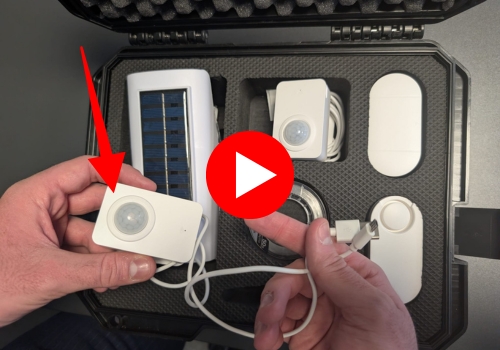
So, make sure you have good locks, perimeter awareness, and reliable lighting. To make things easier, you can purchase the famous anti-looter kit to have on hand in case you need to keep threats away.
Of course, if the crisis lasts more than a few days, you’ll need to go even deeper than that. To start, I recommend taking a home defense course that will teach you everything you need to do depending on the situation.
Living With the Community You Have
When the system fails, your neighborhood becomes your immediate reality whether you hand-picked those people or not. Some of them will rise to the situation in ways that genuinely impress you. Some will struggle, so you’ll have to navigate carefully. And some may become real problems that require real decisions.
Like it or not, the first knock at your door is coming. And the truth is you can’t control who lives on your street. But you can control whether your lights stay on when theirs don’t.
The Ultimate OFF-GRID Generator runs on a design Tesla patented over 100 years ago. You can build it for under $200 with parts from Home Depot, and it’ll keep running whether or not anything else does.
That knock at your door is coming eventually. Be the house that already figured it out!
You may also like:
 The Hidden Dangers of Neighborhood Watch
#1 Item That Should Not Be Missing from Your Stockpile (VIDEO)
The Prepper’s GPS: Map Out Your Neighborhood for Survival